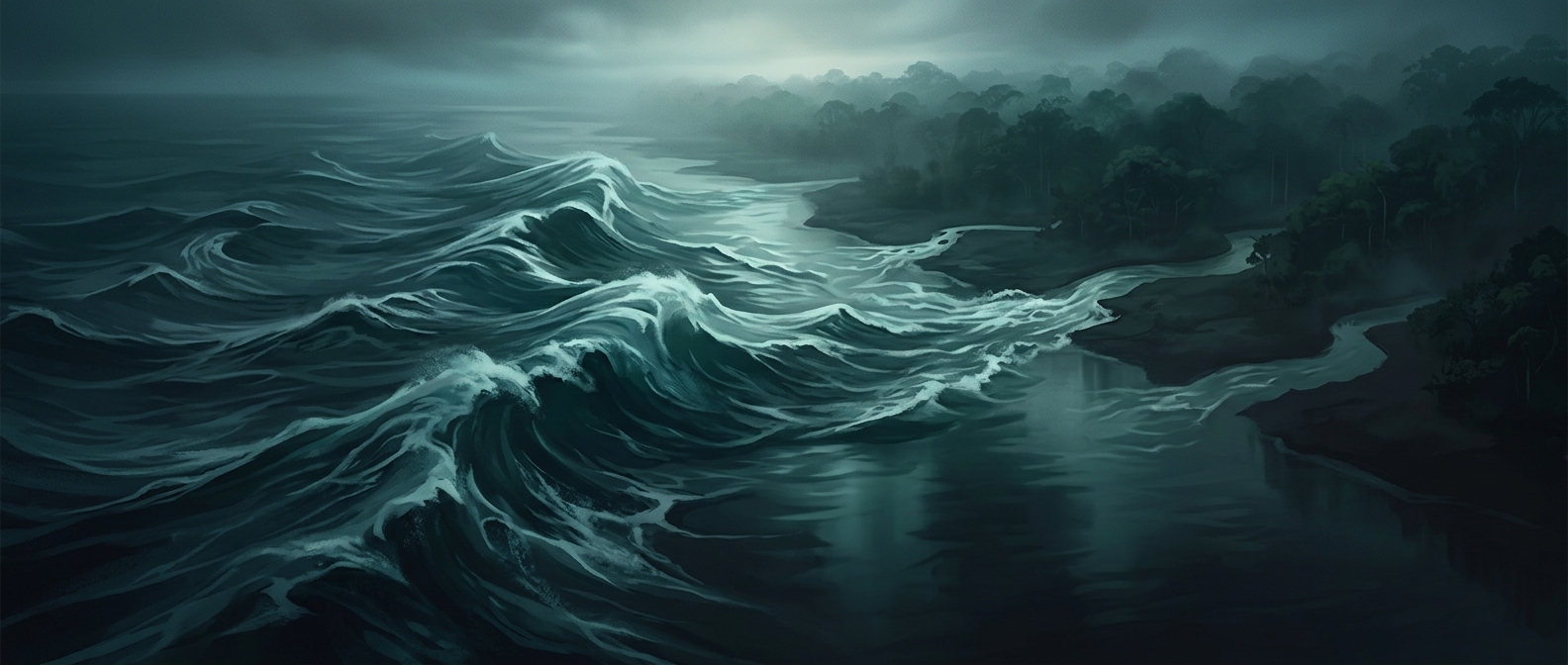
Why the Amazon moves so much water
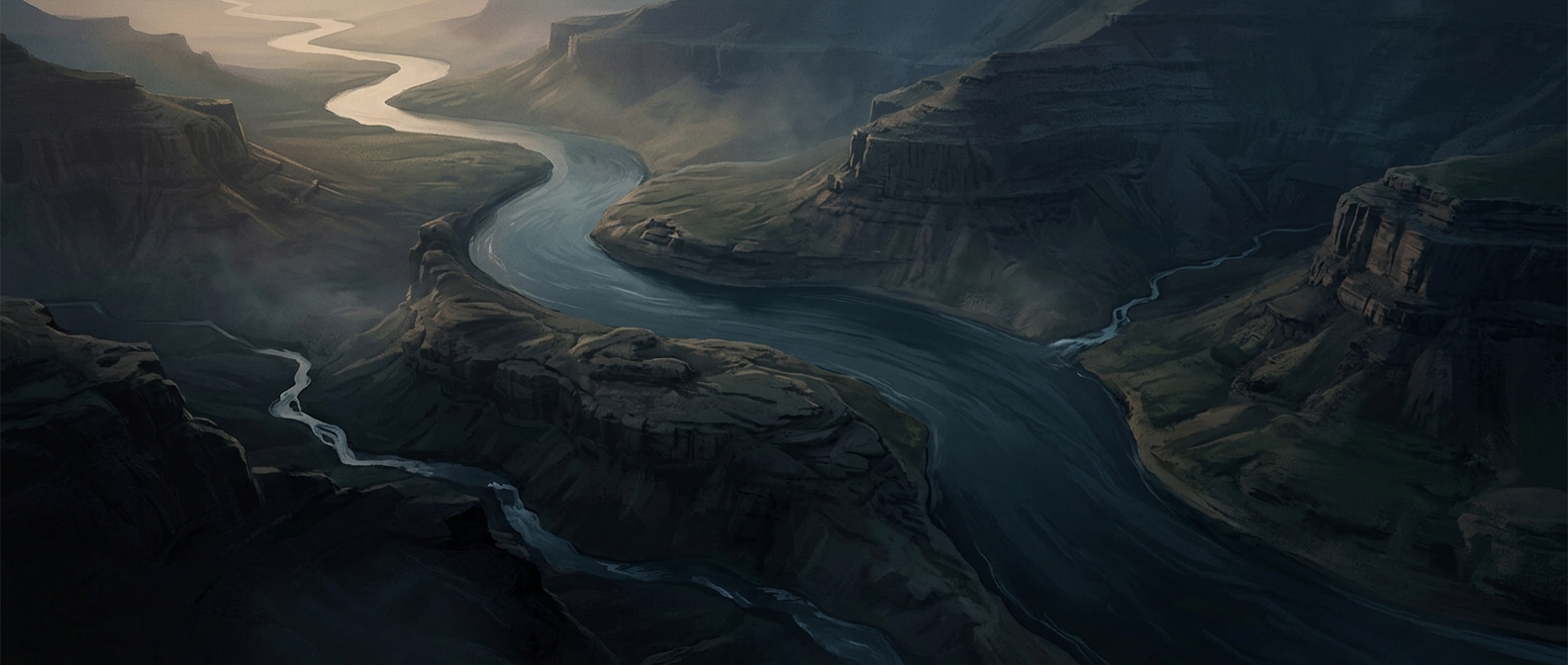
The Amazon’s immense flow begins far from its mouth. Rain falls across a vast drainage basin—the land whose streams and rivers ultimately feed into one main river. From the Andes to the lowlands of South America, countless tributaries gather that water and carry it east toward the Atlantic Ocean.
The basin also lies largely in the humid tropics, where heavy rainfall can replenish rivers across a broad area. Instead of relying on one source, the Amazon collects water from an entire network. By the time the river reaches the ocean, its main channel is carrying the combined output of that network.
Flow is different from length
River length and river flow measure different things. Length asks how far a river runs; flow measures how much water passes a point over time. Disputes over which river is longest therefore do not change the Amazon’s standing as the world’s most voluminous river.
Flow also shifts with rainfall and the seasons. Water levels rise and fall across the basin, but the river’s enormous reach means that contributions from many tributaries accumulate along the way. That is why a comparison of water carried can produce a striking result even when a comparison of river lengths sparks debate.
A river shaped by its whole basin
The Amazon’s scale is not just a feature of the channel travelers see. It reflects the geography and rainfall of the huge region connected to it. At the Atlantic coast, the river’s freshwater outflow is the final, visible result of water gathered across that continental landscape.