Why a Coin’s Ring Could Raise Suspicion
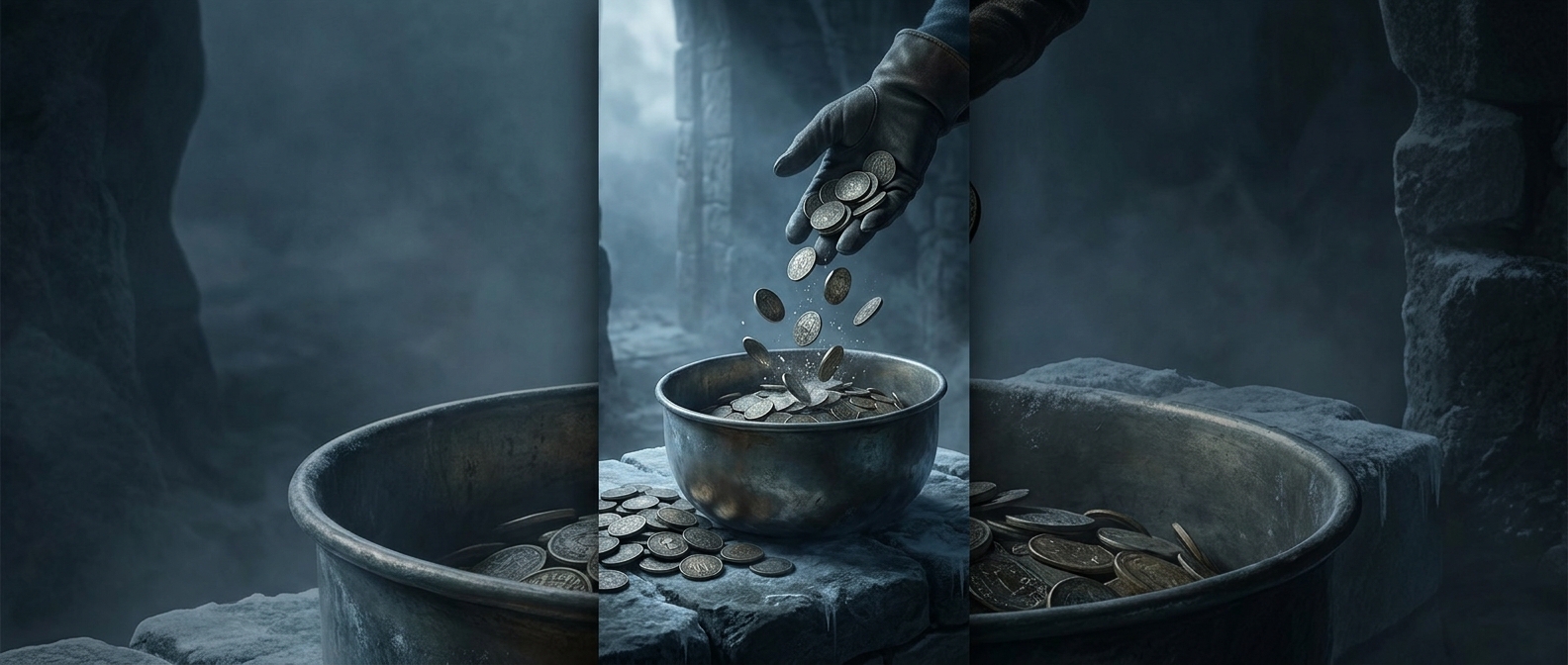
A struck coin behaves a little like a tiny bell. When it hits a hard surface, the impact makes it vibrate; its shape and metal determine which tones it produces and how quickly those vibrations fade. A hard, elastic alloy can sustain a bright ring, while soft lead tends to absorb vibration, making a coin sound duller or less clear.
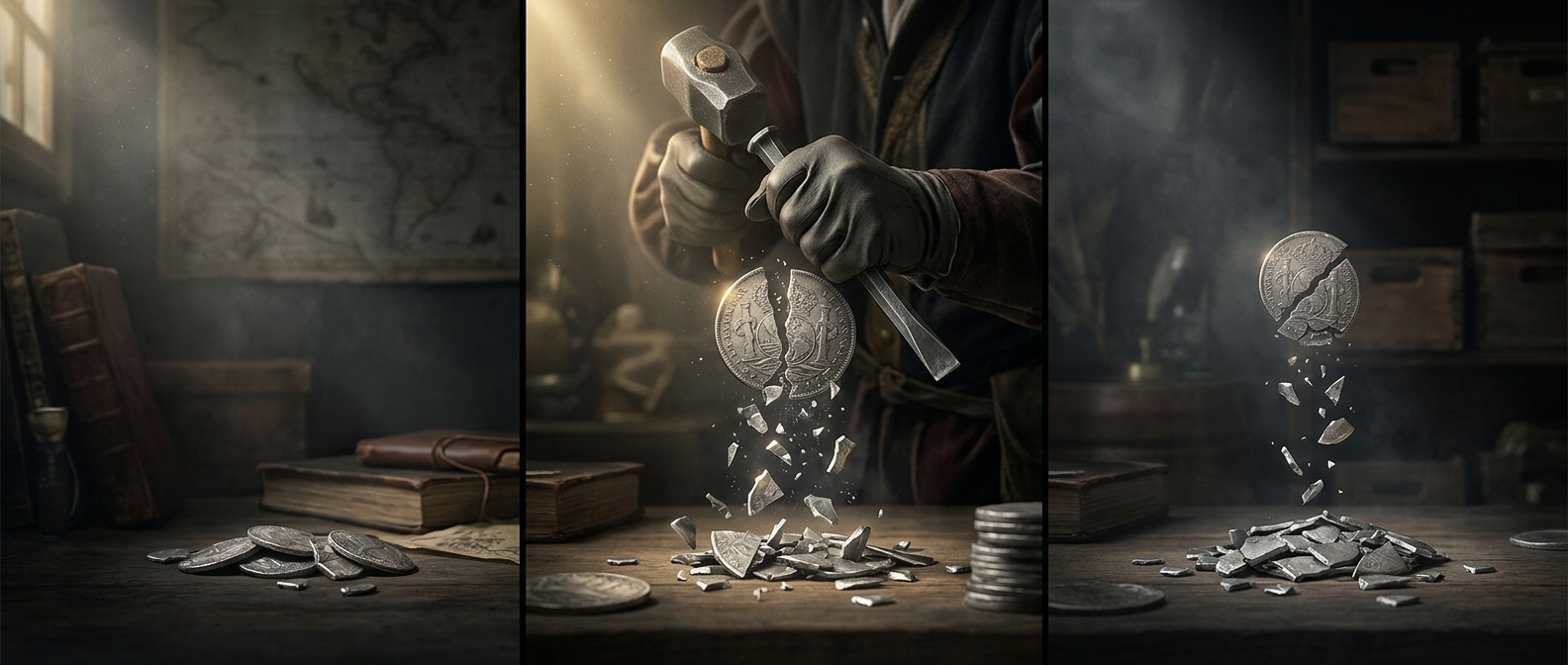
That difference offered a quick clue about what might be inside a coin. A convincing-looking surface could conceal a cheaper, lead-rich core, but the sound might betray the less elastic metal beneath it.
A Useful Test, Not a Chemical Analysis
The drop test was practical because it needed no tools beyond a hard surface and a listener. But a ring could not identify an alloy with certainty. A coin’s size, thickness, wear, and the surface it struck all affect its sound, and different legitimate metals can ring differently too. The test was best understood as a warning signal: an unexpectedly dull sound could prompt closer inspection.
That uncertainty mattered in trade. A merchant accepting a questionable coin risked receiving less valuable metal than its face value promised. Listening added a fast check at the moment of exchange, helping decide whether a coin seemed trustworthy enough to accept—or deserved a second look.