Butoh Makes the Body the Story
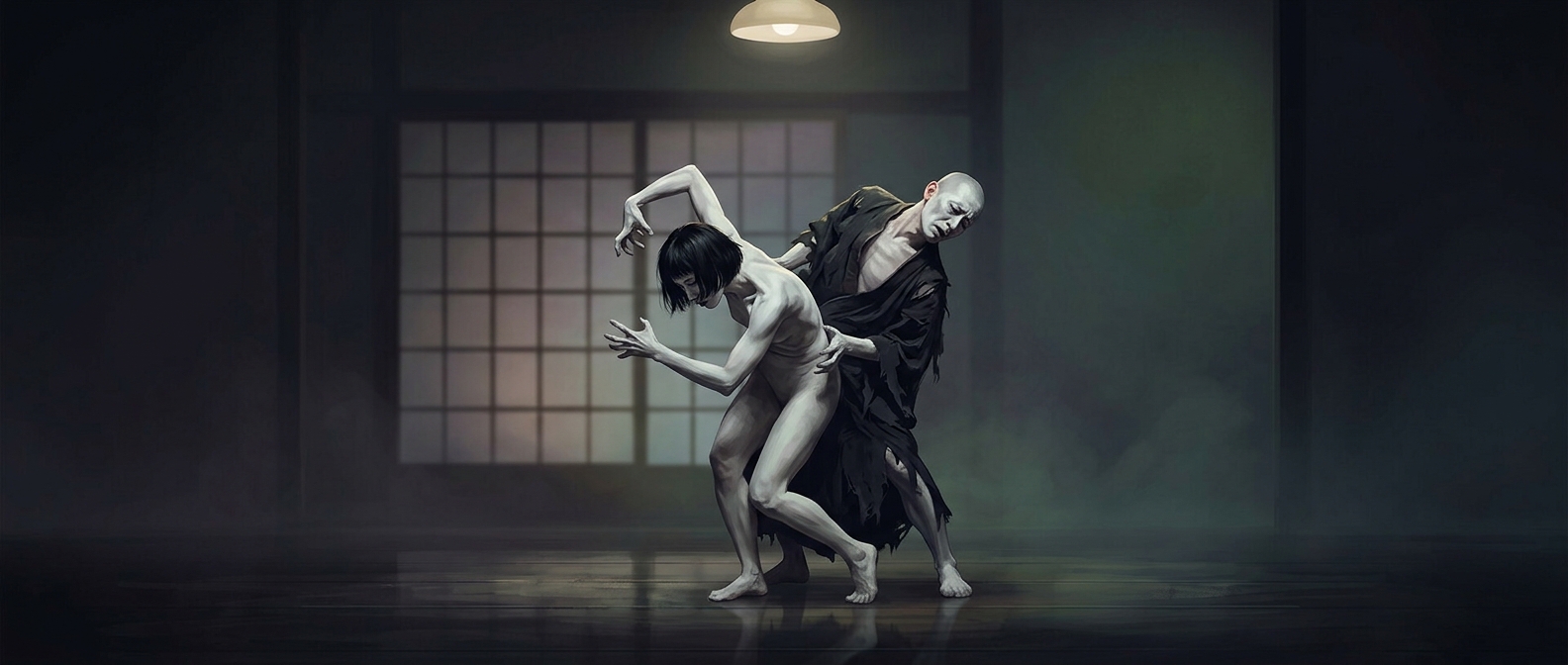
Butoh is a form of contemporary dance that took shape in Japan in the late 1950s. Rather than aiming for the polished lines of classical ballet or the recognizable gestures of everyday life, it often asks performers to move as if the body were unfamiliar: heavy, fragile, distorted, or caught between human and animal forms.
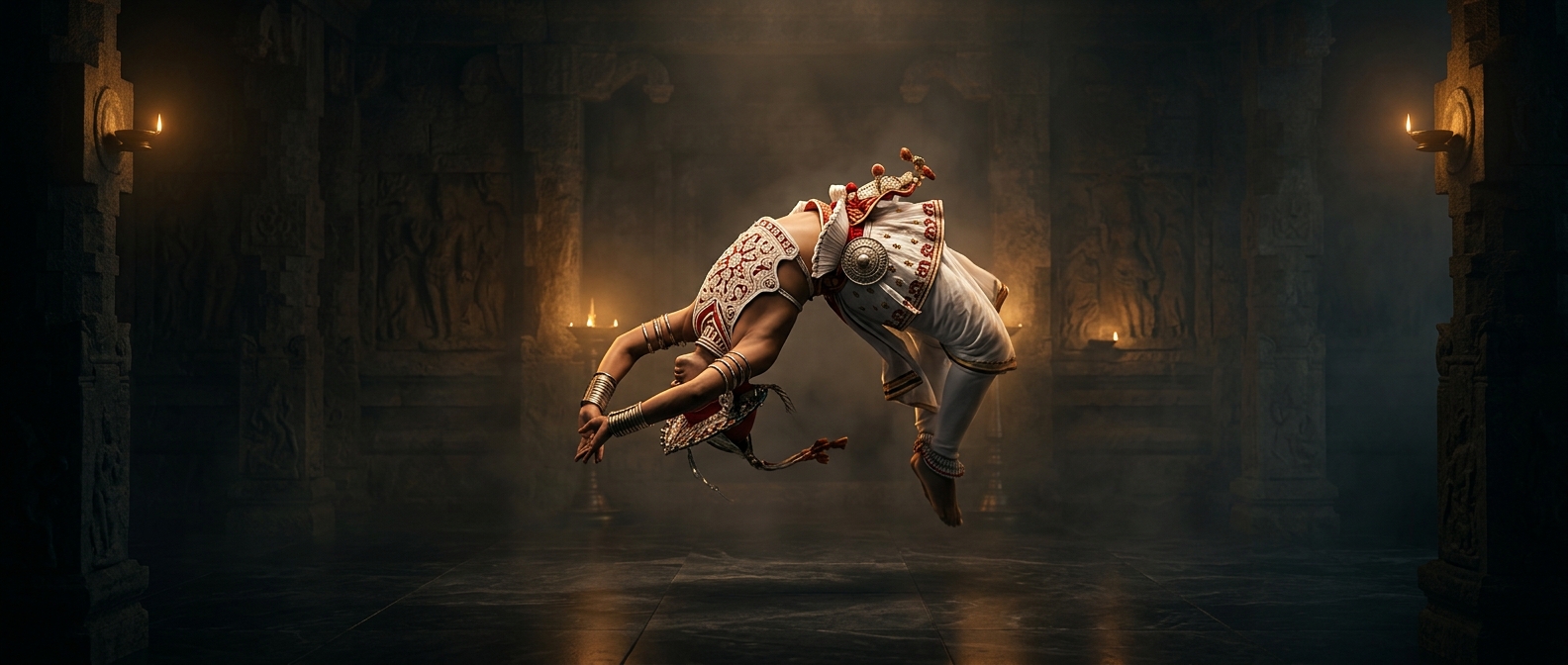
That shift changes what an audience watches for. A tiny tremor or a prolonged pause can carry as much weight as a leap. The movement’s awkwardness is not a mistake to be corrected; it is part of how the performer makes fear, vulnerability, or social unease visible without narrating a plot.
Why the Makeup and Slow Pace Matter
White body paint is a familiar but not universal feature of butoh. It can reduce the face’s ordinary expressions and make the performer seem less like a particular character, inviting attention to posture, breath, and the whole body. The effect is not simply to look eerie: it helps turn physical presence into the performance’s main language.
The pace also resists the expectation that dance should build toward athletic feats. By stretching a gesture until it becomes uncomfortable to watch, butoh makes viewers notice their own impatience and tension. What seems grotesque can become a way to examine the body’s limits and the unease beneath everyday composure.
Watching Without Looking for a Plot
For a visitor encountering butoh onstage, the most useful shift is to stop asking what each movement “stands for” and follow how it changes. A bent back may become more significant through its duration, effort, and stillness than through any fixed symbolic meaning. The performance asks the audience to experience the movement before settling on an explanation—so a single slow gesture can remain unsettling long after it ends.