Why a held door can feel like a deadline
A person holding a door open is not merely removing a physical obstacle. The gesture also communicates attention: I see you, and I’m waiting. Once that message lands, the approaching person may feel responsible for the holder’s time—even if the holder is perfectly willing to wait.
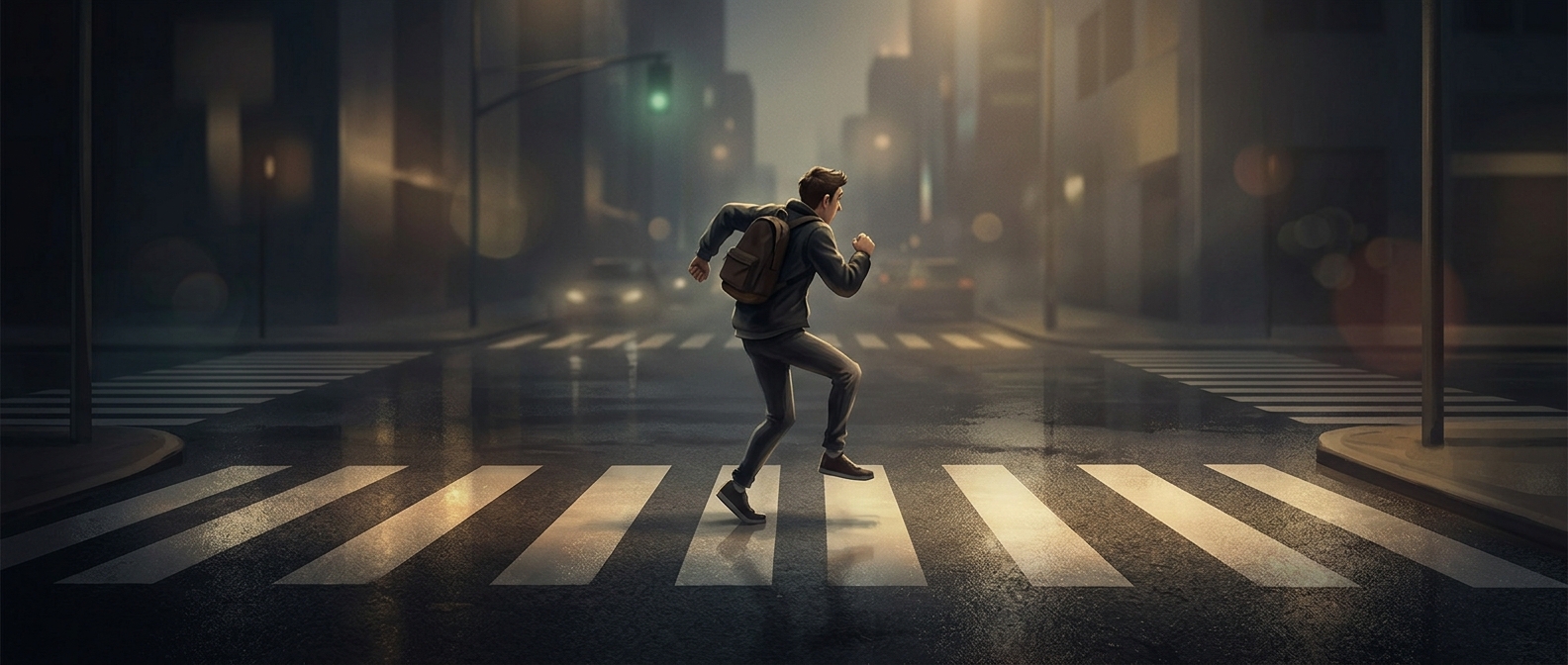
That small shift changes the meaning of an ordinary walk. Moving at a relaxed pace can now seem like making someone stand there on purpose. Speeding up becomes a way to acknowledge the favor and end the moment of dependence sooner.
A favor creates a social obligation
This is a mild form of reciprocity: when someone does something considerate, we often feel pressure to respond in kind. The response need not be another favor. Here, it may be as simple as hurrying to show that the gesture is appreciated and that the other person’s effort will not be wasted.
The door-holder may intend only to spare the other person the trouble of opening the door. But the act makes the waiting visible. A person who might otherwise have taken several more seconds to arrive can suddenly feel as if those seconds belong to someone else.
The helpful gesture can reverse its effect
That is why the same open door can feel welcoming to one person and faintly pressuring to another. The pressure is not usually a spoken demand; it comes from the social meaning attached to waiting. The recipient is free to keep walking normally, but may feel that doing so would be inconsiderate.
A gesture meant to save a few seconds can therefore make someone run—not because the door is far away, but because they do not want their kindness to cost the holder any more time.