Why Mount Hood’s Roads Can Stay Icy
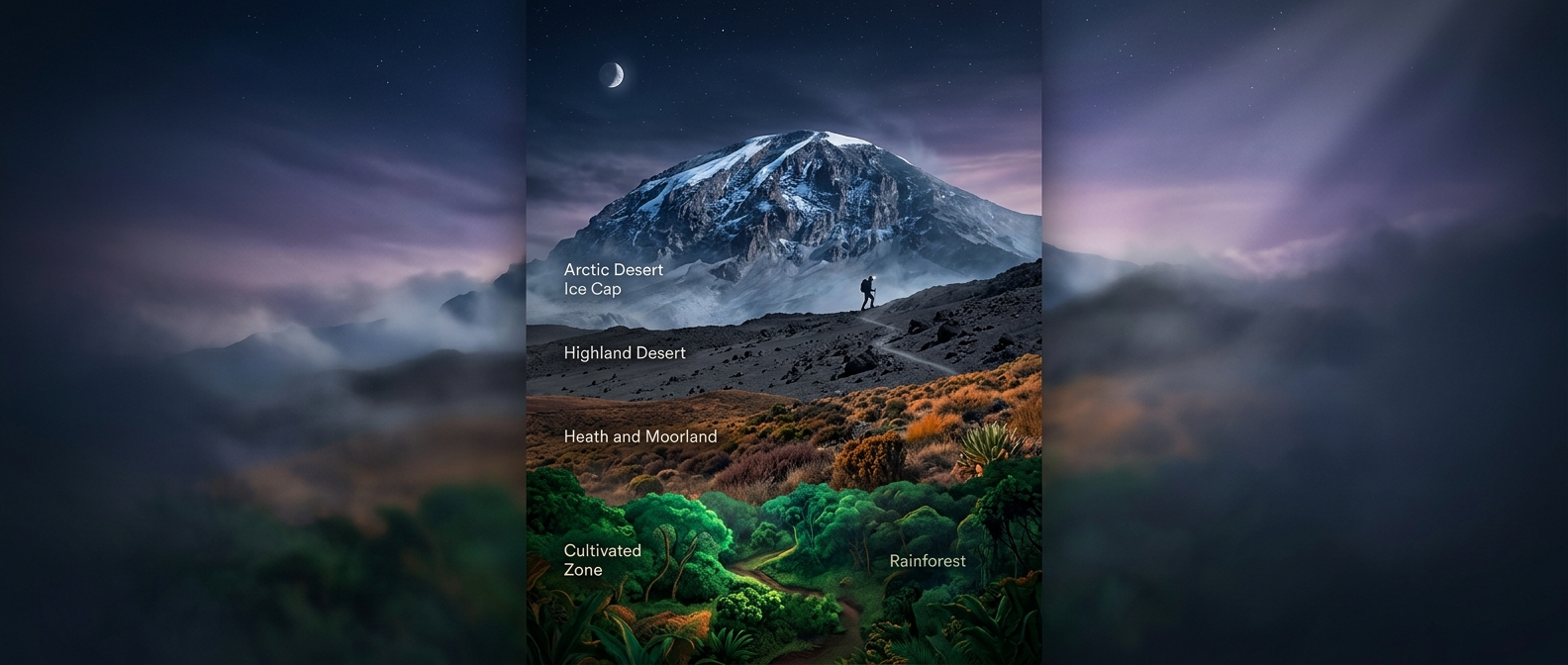
A warm valley does not tell you what the road will be like higher on Mount Hood. As roads climb toward the mountain, temperatures can drop, and precipitation that fell as rain below may arrive as snow or freezing rain above. The road surface can also be colder than the air, letting water freeze even when conditions elsewhere feel mild.
Shade Turns Small Patches Into Hazards
Tree cover and steep slopes can keep parts of a road out of direct sunlight. Snowmelt or rain may cross the pavement, then freeze where the surface remains cold. Curves, shaded cuts and higher stretches can therefore hold slick patches while nearby pavement is bare. Overnight cooling can make the contrast sharper: a wet road in the evening may be icy by morning.
That is why “year-round” is best understood as a readiness warning, not a claim that every road is continuously coated in ice. Conditions vary with elevation, shade and weather, and can change over a short distance. Tire chains provide extra grip when a vehicle’s tires cannot reliably hold the road; carrying them means a driver is prepared if the route turns icy, even on a trip that began in warm weather.
On Mount Hood, the valley’s temperature can be a poor guide to the next stretch of pavement. The important change may be only a climb into shade, where water becomes ice before the landscape looks wintry again.