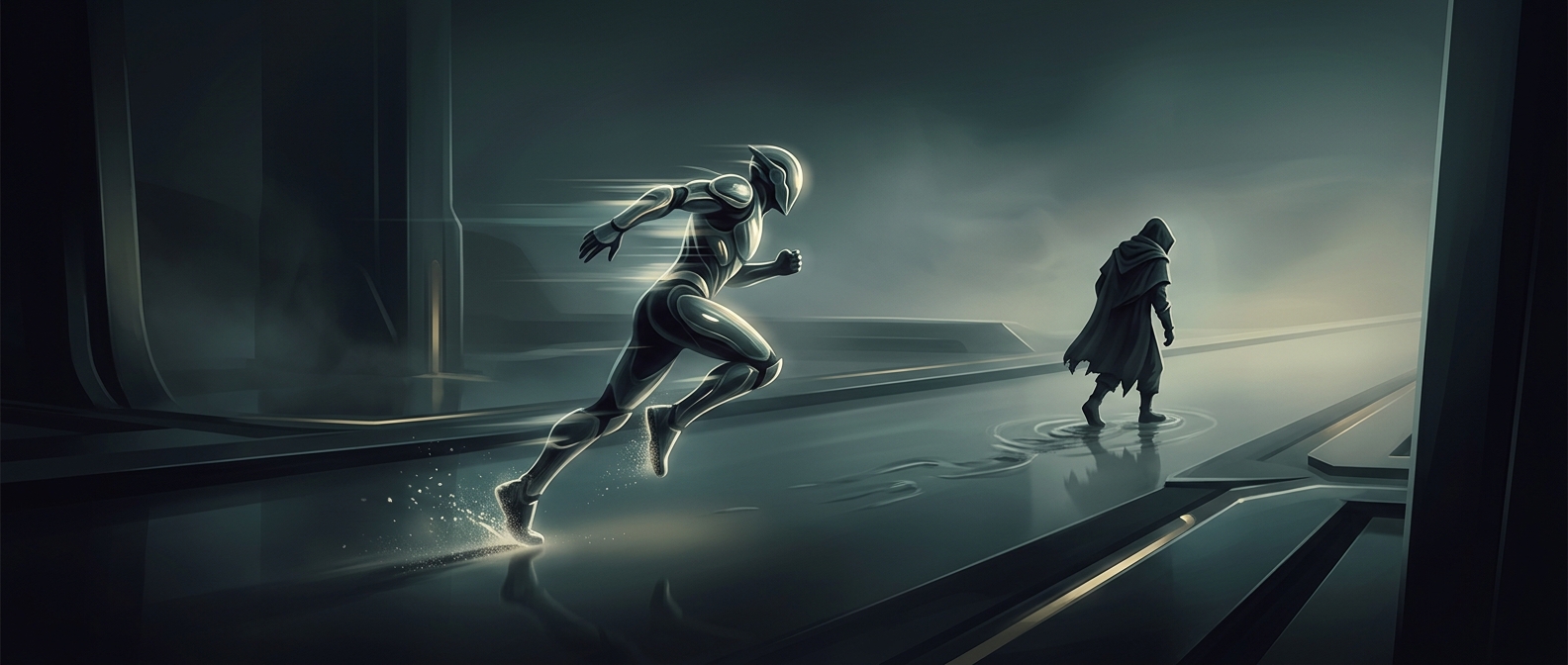
The escort sets the pace—and the player pays for it
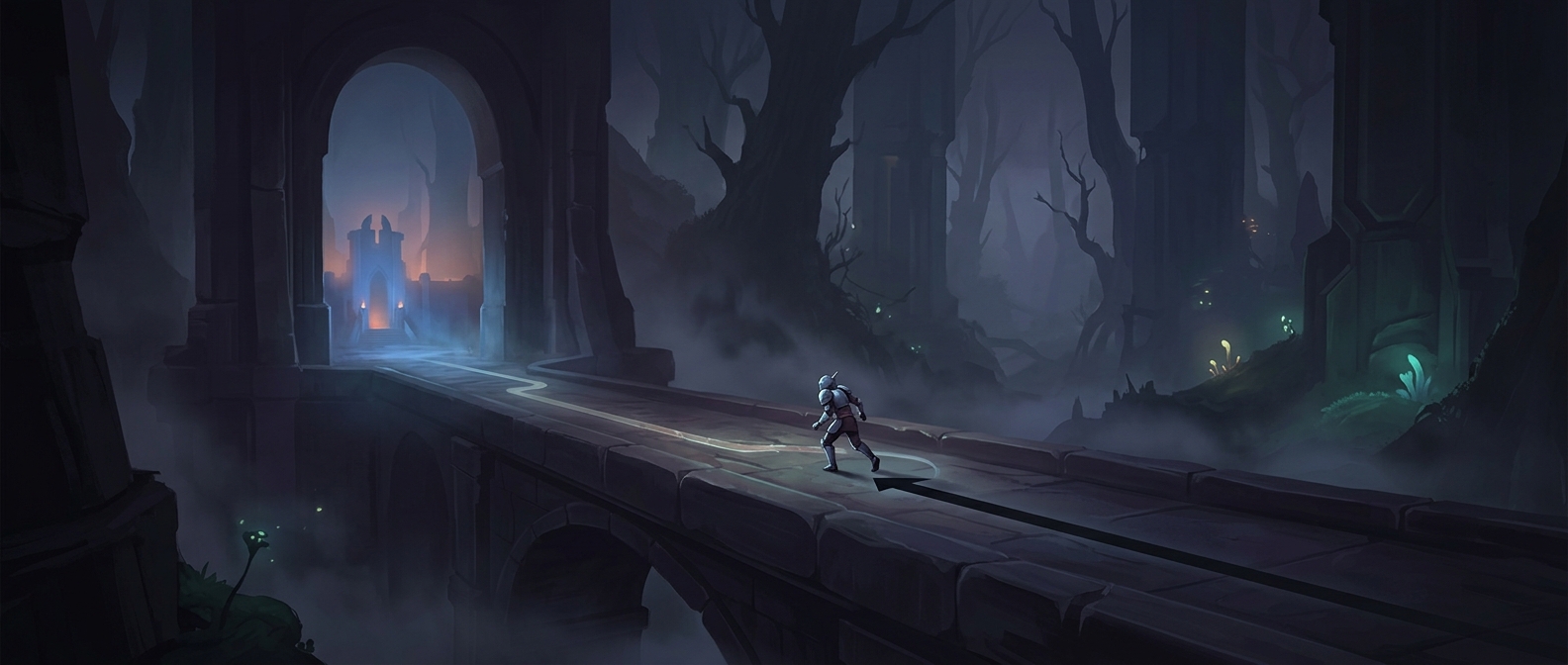
In an escort mission, the game has to move two characters through the same space: the player, who can often sprint or change direction instantly, and a companion who follows a scripted route or simple navigation rules. If the companion moves at the player’s full speed, small differences in movement can make them surge ahead, collide with obstacles, or leave the intended scene behind. Designers often give the companion a steady, cautious pace to keep the pair together.
That pace can land in an awkward gap: too quick for a comfortable walk, too slow to follow at a jog. The player then alternates between moving and stopping to avoid overtaking the companion. What feels like a character’s inexplicable slowness is often a side effect of trying to keep the mission’s two movement systems synchronized.
Slow movement also gives designers control
An escort is not only a navigation problem. The companion may need to reach a particular doorway, trigger a conversation, or enter danger at a specific moment. A controlled pace helps preserve that sequence. It can also make the player wait through a tense stretch rather than sprint past the threats or dialogue the mission is built around.
But the same control can frustrate. The player may be ready to move on while the companion continues at a fixed speed, and a sudden attack can make the forced delay feel especially costly. If the game also requires staying nearby, straying too far may trigger a warning or reset, turning the companion’s pace into a limit on the player’s freedom.
The real design challenge is keeping both moving
Games can ease the mismatch by letting the companion match the player’s speed, teleporting them across short gaps, or making the player lead rather than follow. Each option has a tradeoff: matching speed can make a character look unnatural, while teleporting or skipping ahead may break the sense that the player is protecting them.
When those systems are absent, the escort’s walk becomes the mission’s metronome. The player’s job is less to travel efficiently than to stay close enough for the scripted journey to continue.