Why a new solar farm can beat an old coal plant
A coal plant may have been paid for years ago, but its electricity is not free to produce. Each operating day brings bills for coal, workers, maintenance, and pollution controls. A solar farm has the opposite cost pattern: it takes substantial investment to build, but sunlight requires no purchase, and the panels generally need less routine servicing than a fuel-burning plant.
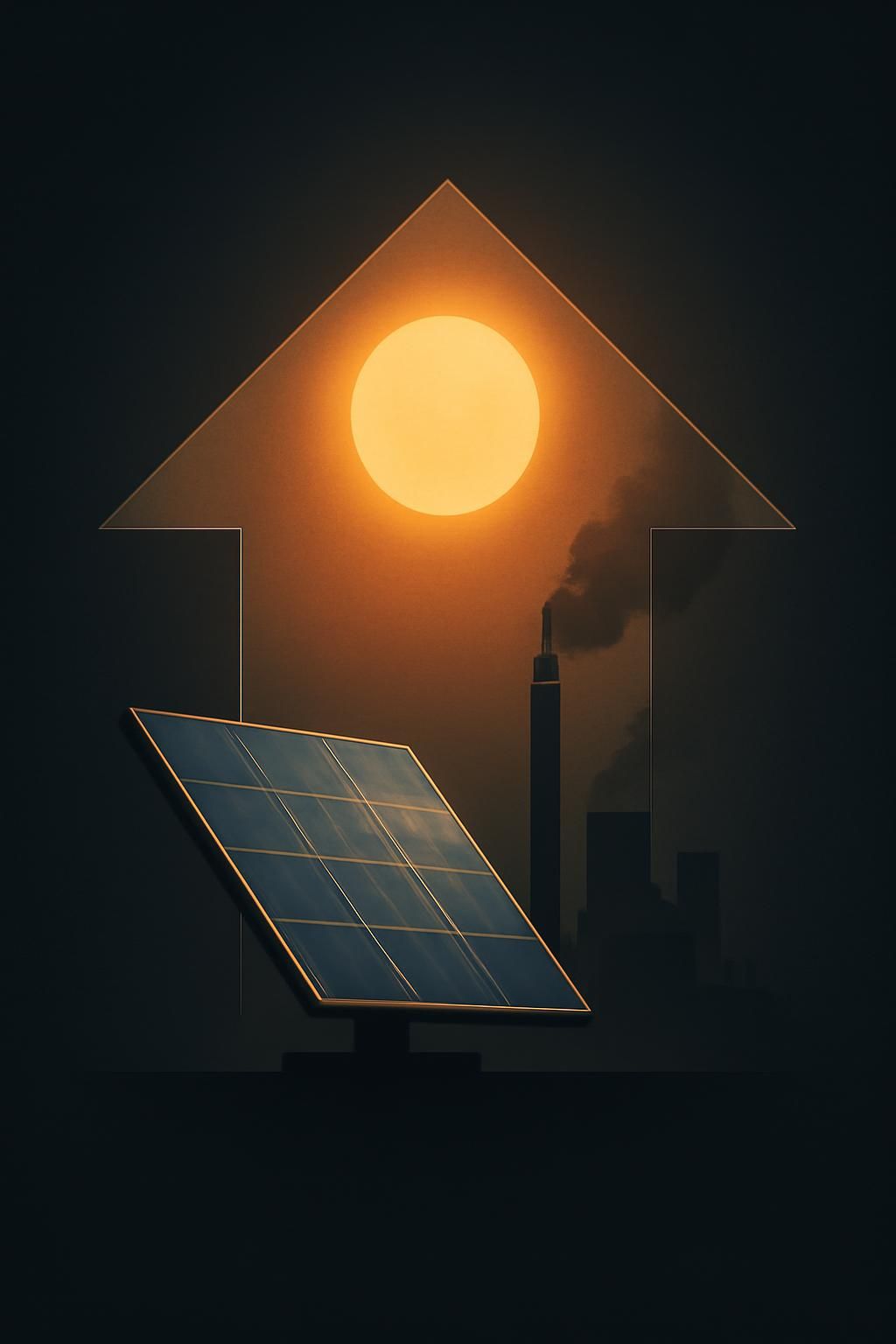
That difference changes the comparison. The question is not simply whether solar is cheaper to build than coal; it is whether the cost of constructing and financing new solar electricity can undercut the continuing cost of generating power at an existing coal station. Where sunlight is strong and solar equipment is inexpensive, that can happen even before an old plant has worn out.
The price depends on more than the panels
Solar’s economics are especially attractive when projects can connect to the grid without costly delays and when their output arrives at useful times. But solar production rises and falls with daylight and weather. A coal plant can often be scheduled to generate at night or during cloudy periods, while a solar farm cannot.
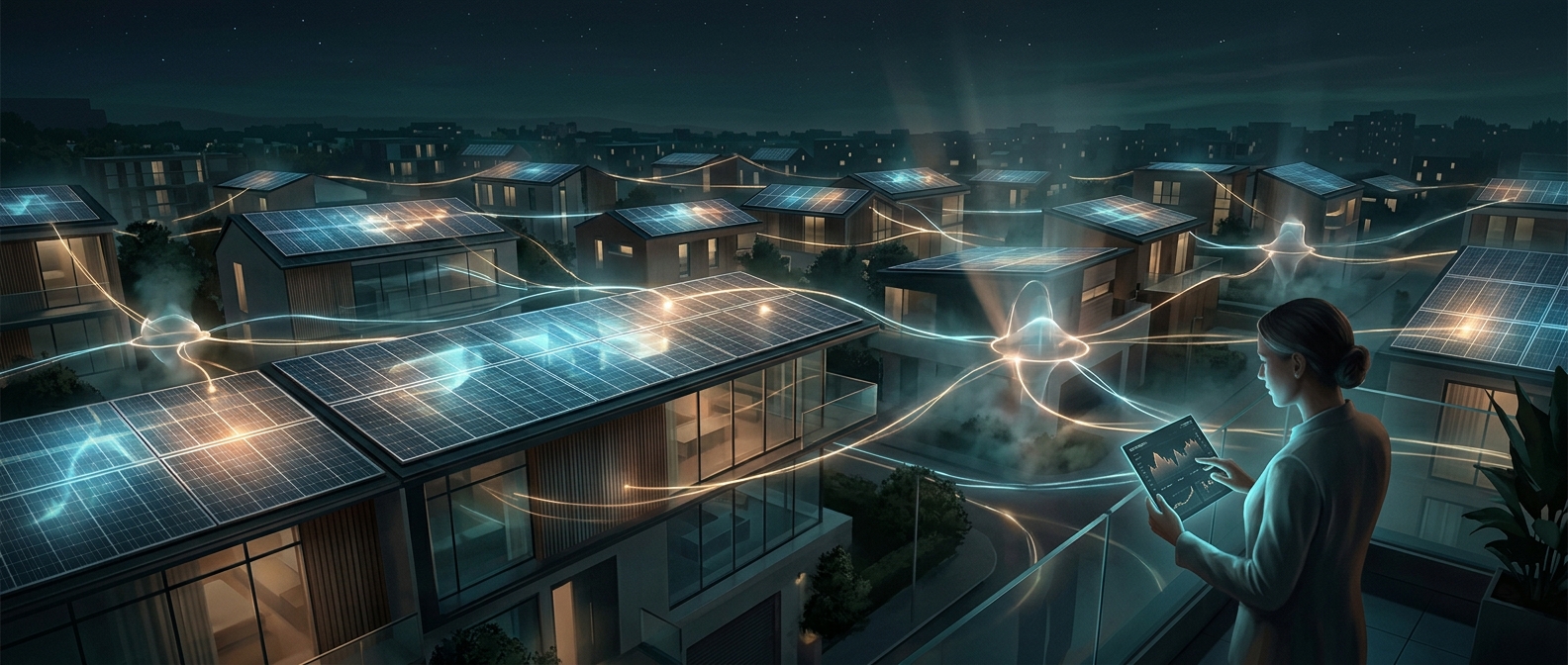
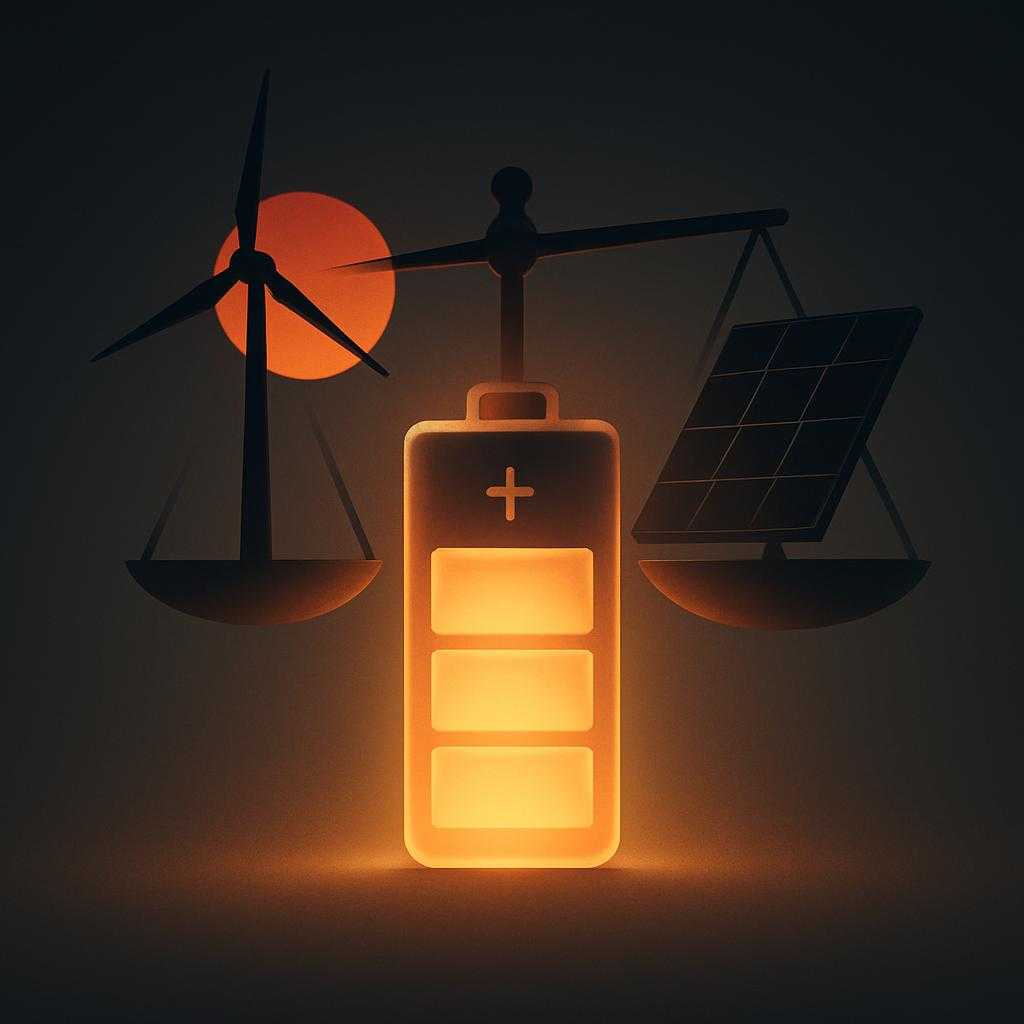
So the comparison is not always like-for-like. A power system with more solar may also need transmission lines to move electricity, storage to save some for later, or other plants that can respond when sunlight fades. Those costs vary by location and by how much solar is already on the grid. They do not erase the basic advantage of generating electricity without buying fuel, but they affect how much solar can replace coal in practice.
A change in what utilities build—and run
Utilities weighing a new power source may now find that adding renewable capacity costs less than continuing to buy fuel for some existing coal plants. That can shift coal stations from regular generation toward less frequent backup, or make retirement more attractive—though reliability needs and local costs still matter. The striking consequence is that an old plant can become uneconomic not because it has stopped working, but because the fuel-free electricity built beside it costs less to produce.