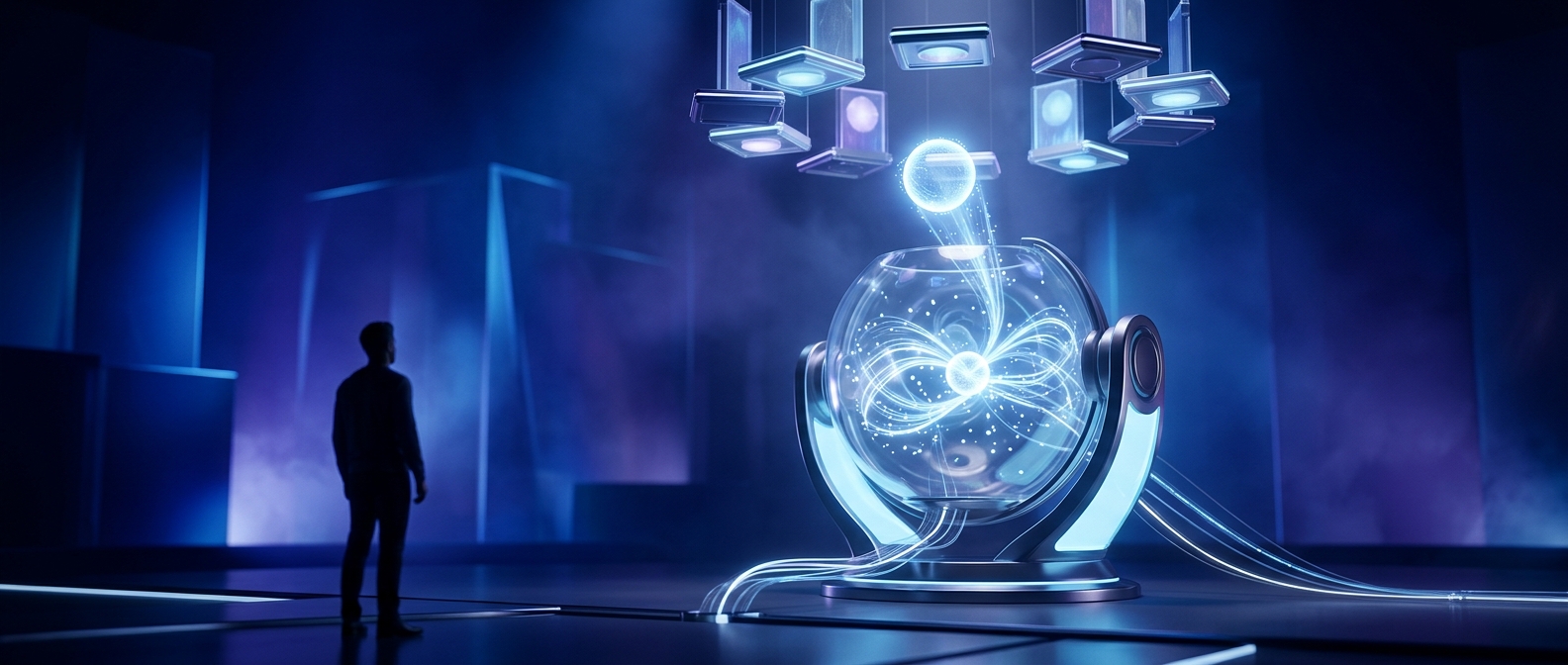
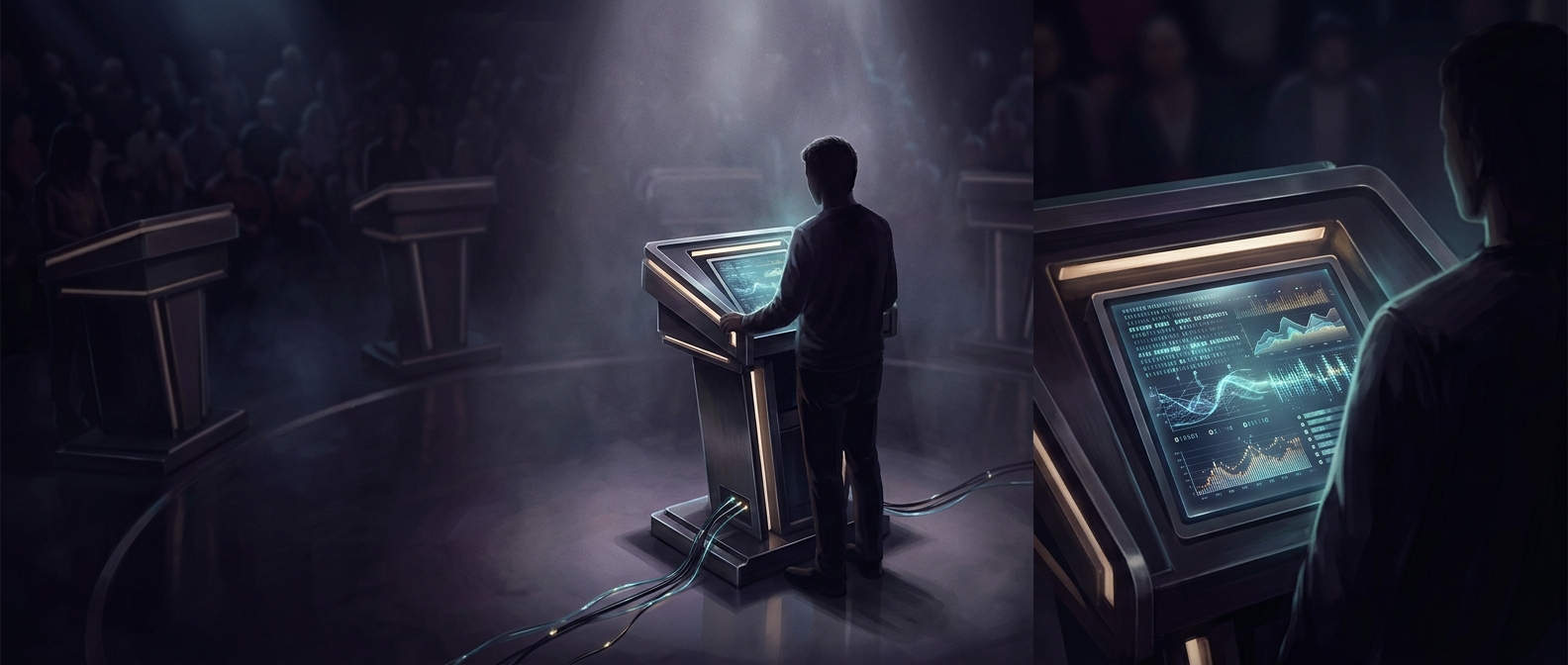
The board looked random, but its route repeated
On Press Your Luck, contestants stopped a flashing light on a game board to win cash and prizes—or land on a Whammy, which erased their winnings. The light moved too quickly for a player to track comfortably, making the button press seem like a gamble.
But the board’s movement was not an unlimited series of random choices. It cycled through a small set of programmed patterns. Ice-cream truck driver Michael Larson watched recordings of the show closely enough to recognize those patterns and memorize where each one would take the light.
Turning timing into a decision
Once Larson knew which pattern was underway, the flashing display became a sequence he could anticipate rather than a blur he had to guess at. He could wait for the light to reach a square he wanted, then press the button at the right moment. The advantage was not simply fast reflexes: it was knowing what the board was about to do.
That distinction mattered because a correct stop could build his winnings, while a Whammy could wipe them out. Larson had found a way to reduce the uncertainty built into the game’s central risk—and then repeated that advantage over multiple turns.
A television spectacle—and a design weakness
Larson’s run made for compelling television because viewers could see the apparent luck of the game collide with his unusually deliberate play. He won more than $100,000, an extraordinary haul for the show. The episode also exposed a weakness in the game’s design: a board intended to feel unpredictable could be beaten once a contestant discovered its repeating structure.
The memorable trick was not that Larson guessed better than everyone else. He recognized that the game had been presenting a pattern as chance—and learned to read it.