How Threads made fiction feel like breaking news
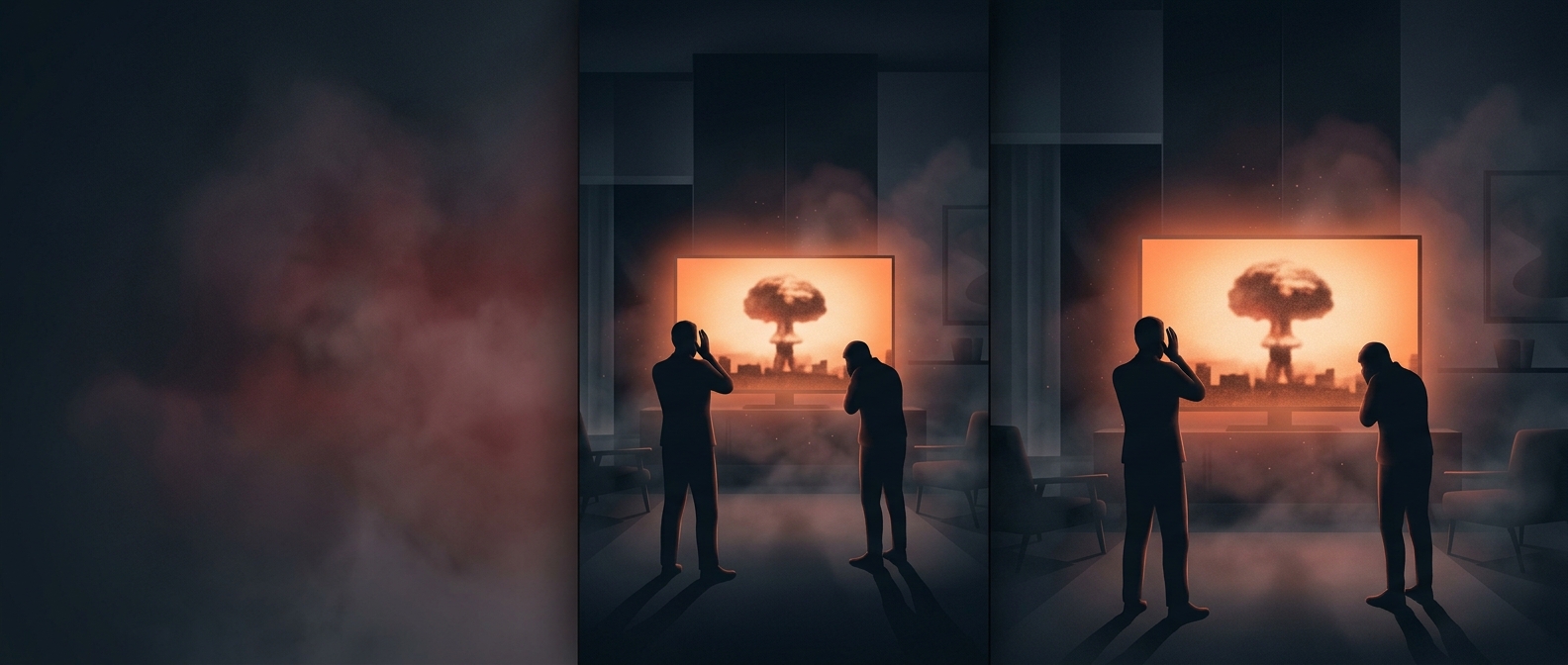
The BBC drama Threads was designed to make nuclear war feel less like a distant spectacle than a catastrophe unfolding in ordinary life. Set around Sheffield, it follows people whose routines are interrupted by an escalating international crisis and, eventually, a nuclear attack. Its restrained, documentary-like presentation—especially its use of official-sounding information and news-style reporting—gave the story the texture of a public broadcast rather than a conventional adventure film.
That realism depended on viewers recognizing the television language of news: sober narration, reports about events in progress, and practical details about what people should expect. If someone tuned in after the drama had begun, they could miss the cues that established it as fiction. In a tense period of public concern about nuclear weapons, the broadcast’s familiar news conventions could briefly make its imagined emergency seem real.
When the boundary between drama and information blurred
The resulting calls to phone lines and emergency services were not simply a response to frightening images. They showed how strongly television’s form shaped what viewers believed they were watching. A drama that imitates the tone of official information can borrow that information’s authority, particularly when its audience arrives without context.
The same choice that made Threads feel immediate also created a practical risk: viewers could mistake a carefully staged warning for a real one. Its panic-inducing power came partly from that uncomfortable closeness between a fictional broadcast and the kind of report people would turn to in an actual crisis.