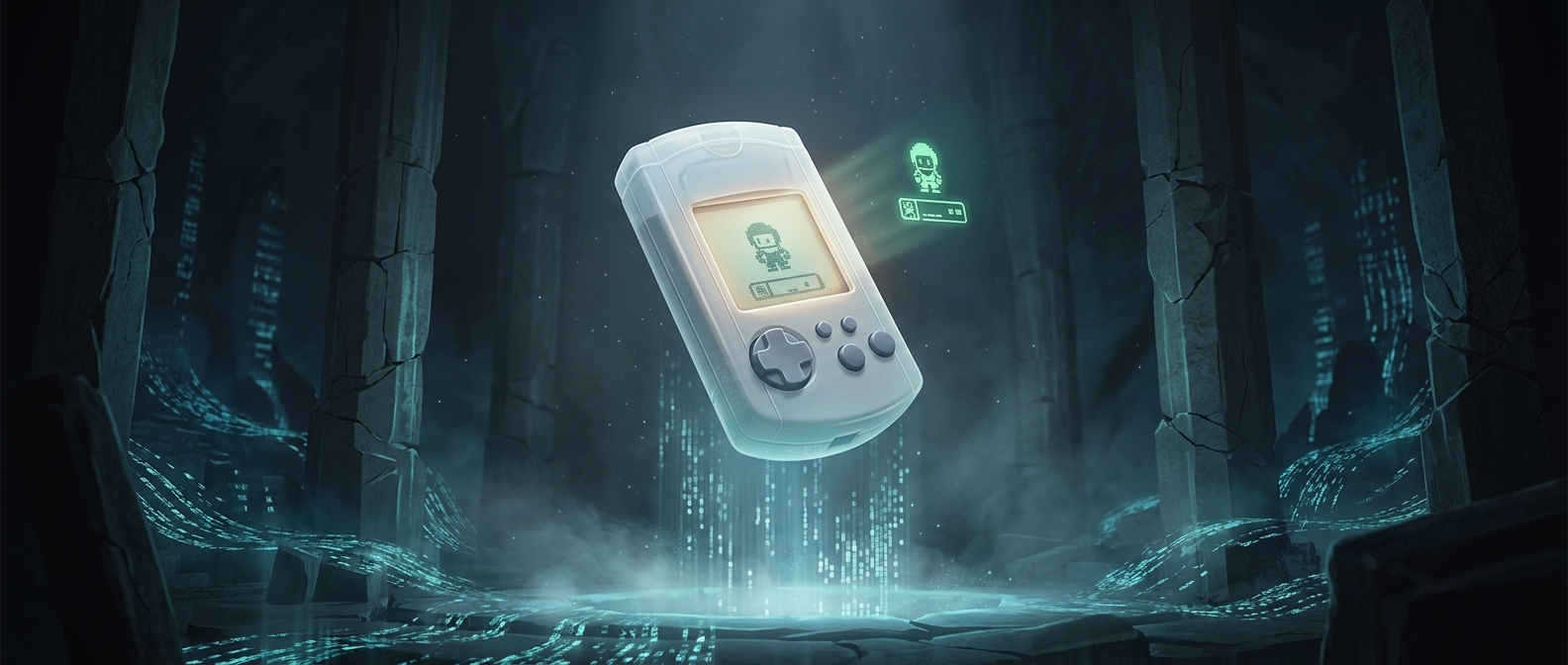
A rhythm game turns tiny delays into missed clicks
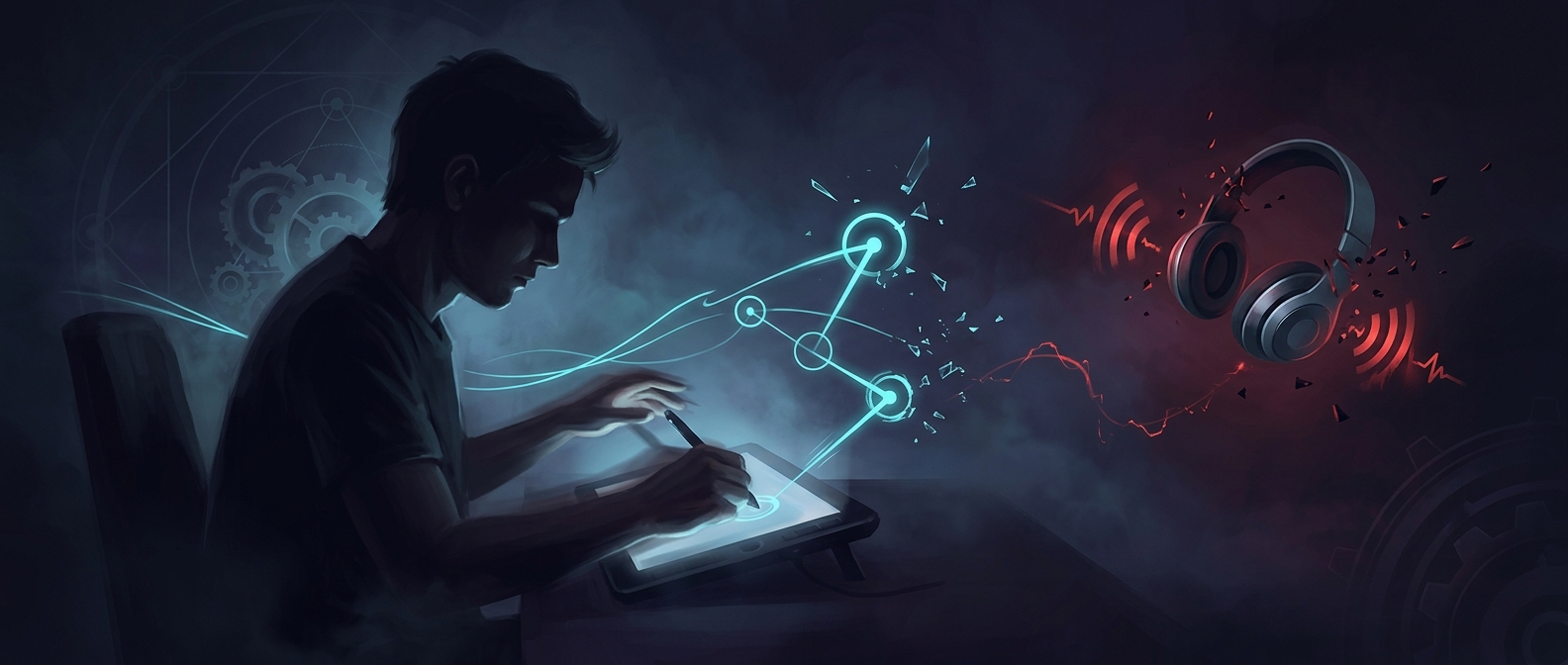
In osu!, players follow beatmaps—patterns of targets synchronized to music—and must click or tap at the right moment. The sound is not just atmosphere: it helps players anticipate a beat and coordinate their input. If the music reaches the headphones noticeably later than expected, a player may react to a beat that the game has already passed.
Bluetooth inserts a processing chain
A wired connection sends audio directly to the headphones. Bluetooth has more steps: the device encodes the sound into a compact digital stream, transmits it, and the headphones decode it before playback. To keep that stream smooth despite brief transmission hiccups, the headphones may also buffer it, holding audio briefly before playing it.
Those steps add latency, or the time between a sound being produced and heard. The exact delay depends on the devices and connection, and it can fluctuate. A delay that changes during a run is especially hard to compensate for: the player cannot simply learn one consistent shift between the beat and the sound.
Why a small shift matters
At ordinary listening volumes, a few dozen milliseconds may be easy to overlook. In a precision rhythm game, it can move the apparent beat away from the visual cues and the timing the game expects. A 50-millisecond difference is enough to throw off a tightly timed run, particularly when a player is chaining accurate hits.
The game’s audio-offset setting can compensate for a consistent delay by shifting when sound is played relative to gameplay. It cannot reliably correct delay that keeps changing. That is why competitive players often choose wired headphones: they reduce a source of timing uncertainty, leaving calibration to handle the remaining, steady offset. A cable does not make a run easier; it makes the beat a more dependable clock.