A Match Has Two Different Decks
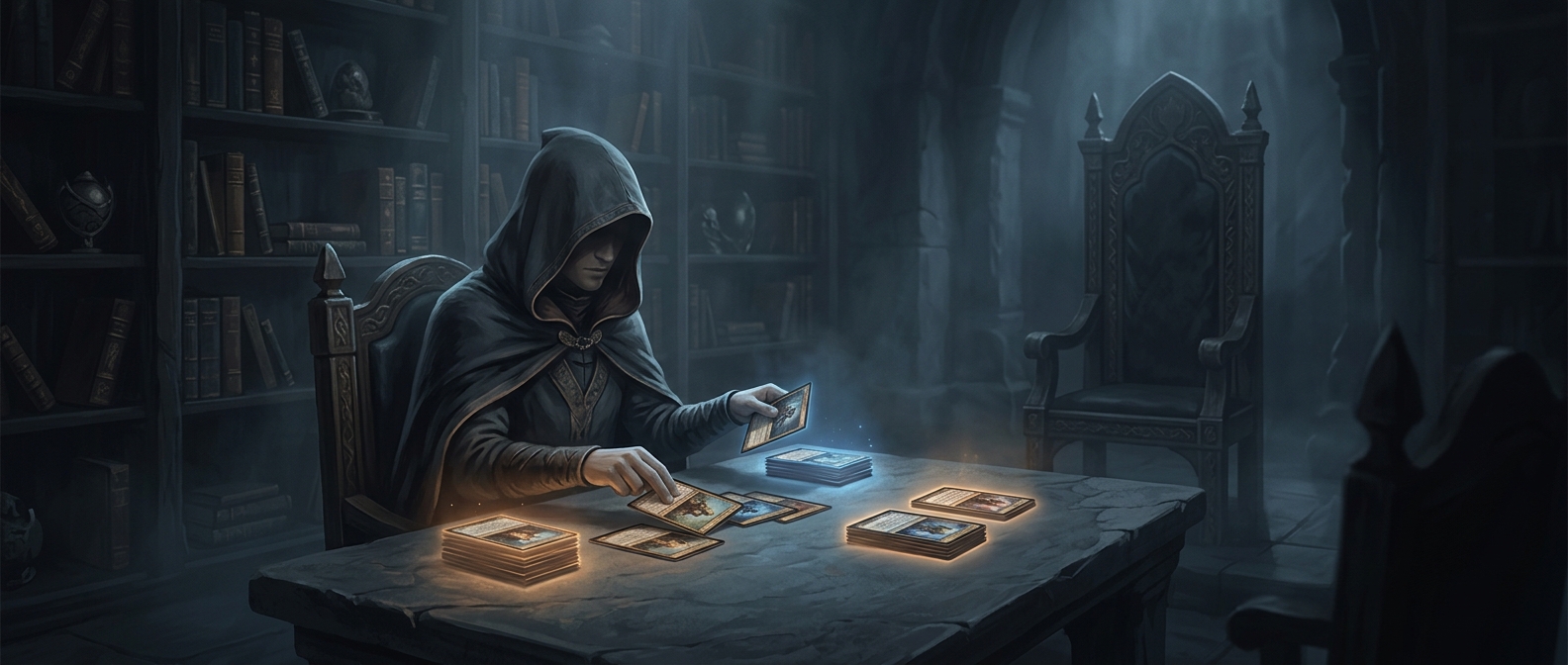
In a typical best-of-three Magic match, the first game is played with the deck as registered. Between games, each player can bring cards from a separate sideboard into the deck, usually taking the same number of cards out. The main deck must still meet its format’s deck-building rules.
That change turns the match into a small act of diagnosis. A player has seen what the opponent is trying to do and can adjust for the next game—without knowing exactly which cards the opponent will bring in.
The Sideboard Is a Set of Answers—and Tradeoffs
A sideboard might include cards that are especially effective against a particular strategy: tools for handling an opponent’s graveyard, removing troublesome artifacts, or surviving a fast rush of attackers. These cards can be weak or inefficient in other matchups, so putting them in the main deck all the time may make the deck worse overall.
Sideboarding is not simply “add the counter card.” The player must decide what to remove, how many copies to exchange, and whether the opponent is likely to adapt in return. A narrow answer can be powerful when it works, but a card drawn at the wrong time may contribute little. And changing too much can disrupt the deck’s own plan.
Preparation Meets a New Clue
Before a tournament, players study the kinds of decks they expect to face and build sideboards to cover the threats they consider most likely. During a match, that preparation meets fresh evidence: the cards the opponent played, the strategy they revealed, and the weaknesses the first game exposed.
A sideboard therefore rewards both forecasting and restraint. Its cards are not just backups; they let a player reshape a deck for the next contest while preserving the plan that made it competitive in the first place. A match can turn on whether the player identifies the right problem—and pays the right price in cards to solve it.