Why Birding Gear Can Become a Major Expense
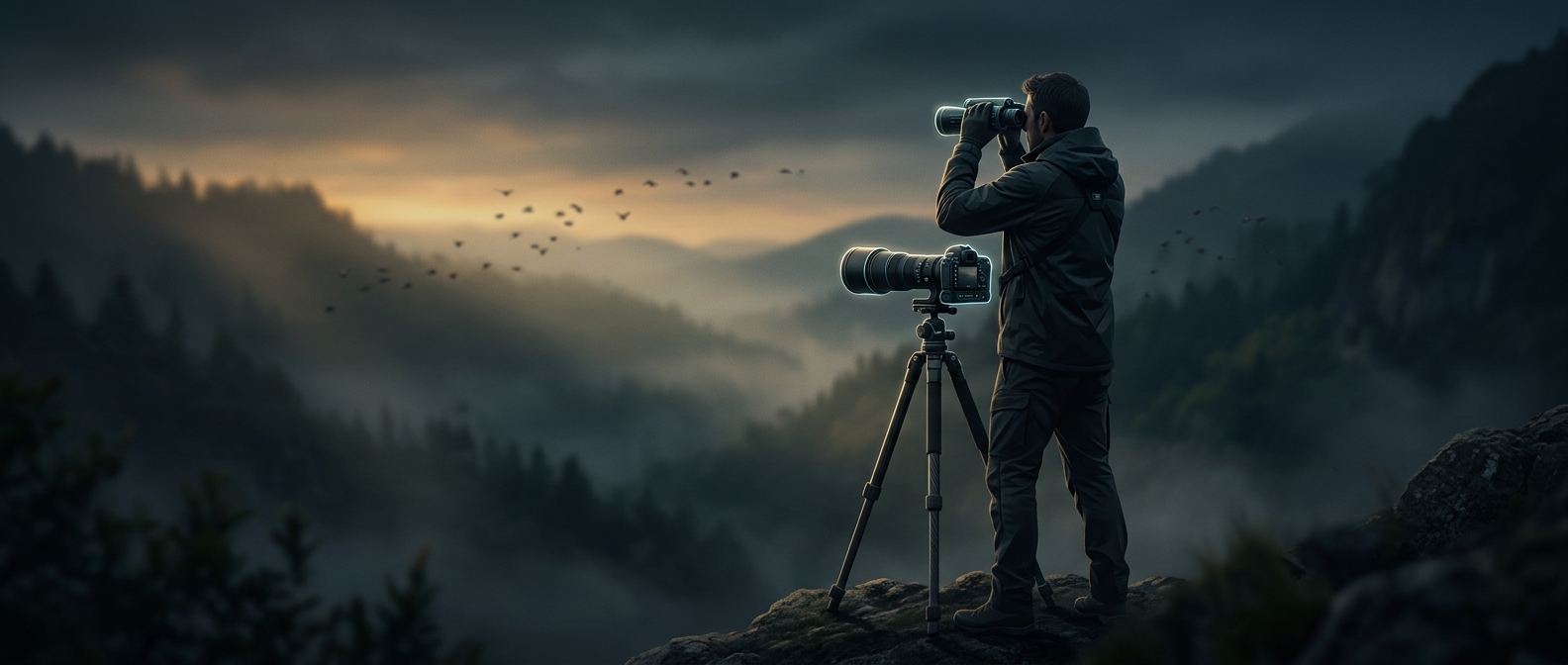
A bird may be small, distant, and gone in seconds. Better optics help turn a fleeting glimpse into a usable view: binoculars gather more light than unaided eyes, while magnification makes details easier to distinguish. A spotting scope can bring faraway birds closer still, and a camera with a telephoto lens can preserve evidence for later identification or sharing.
Those improvements come with tradeoffs. More capable equipment can cost more, weigh more, and take practice to use well. Waterproofing matters when a watcher is outdoors in rain or near wet ground; a lens that fogs or a camera that cannot be carried comfortably may be useless at the moment it is needed. The purchase is therefore not just about maximum magnification, but about balancing clarity, durability, portability, and price.
Spending Follows the Search
The incentive to upgrade grows when birders seek species that are rare, far away, or difficult to identify. A sharper view may reveal markings that separate similar-looking birds; a photograph can let someone check those details afterward. For people who travel or spend long days searching, gear that works reliably can make each outing more productive.
But expensive equipment does not guarantee a sighting. Birds still move, hide, and appear unpredictably, and a costly lens cannot replace patience or field knowledge. The real purchase is a better chance to see and document what the landscape offers—not control over what appears.