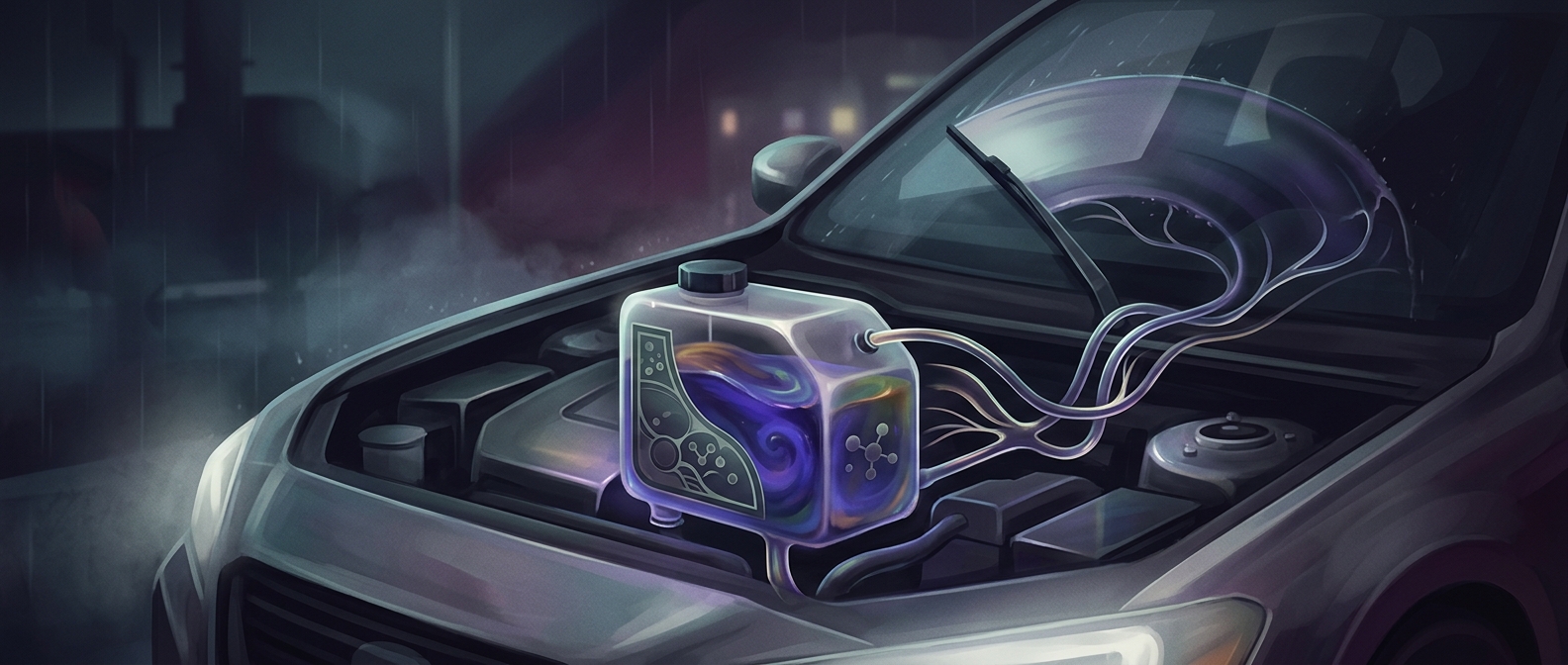
Why Defrost Mode Uses the A/C System
A fogged windshield is usually coated with water that has condensed from humid air inside the cabin. People add moisture simply by breathing, and wet clothing or snow can add more. The quickest fix is not just to make the glass warmer; it is also to reduce the amount of water vapor in the air touching it.
In defrost mode, many cars engage the air-conditioning compressor even though the cabin needs heat. The compressor helps send refrigerant through the evaporator, a small heat exchanger where air is cooled. As that air passes over the cold surface, some of its water vapor condenses into liquid and drains away beneath the car.
Dry First, Then Reheat
The dehumidified air then passes through the heater core, which warms it using heat from the engine or an electric heating system. Vents direct this warm, relatively dry air across the windshield. Because it carries less moisture, it is less likely to leave another film of condensation on the glass as the windshield warms.
That sequence explains the apparent contradiction: the compressor dries the air, while the heater supplies the warmth that clears the glass. Defrost can therefore work faster than heat alone, especially when the cabin air is damp. The compressor’s operation can depend on the vehicle and outside conditions, but when the system can run it, the result is a clearer view without asking the heater to do the drying too.