Blood arrives with very different cargo
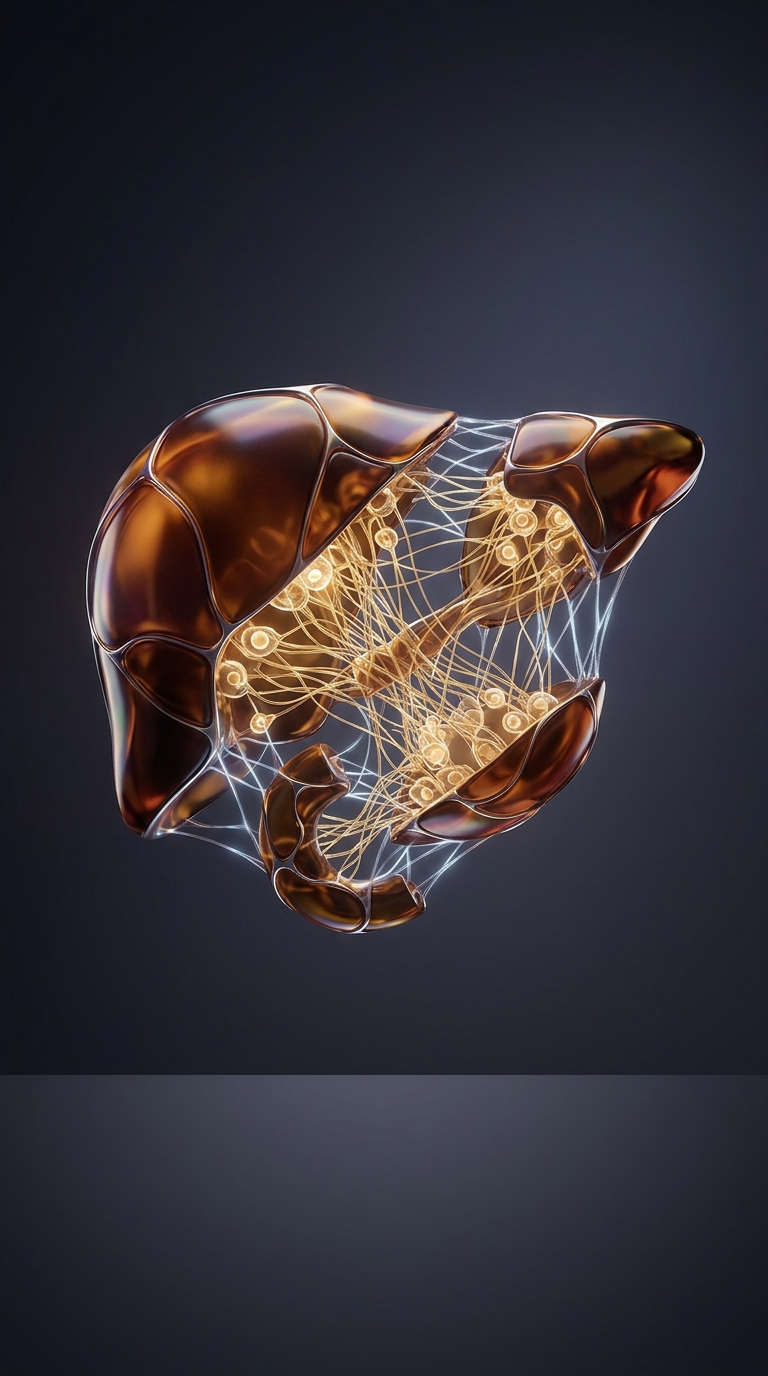
After a meal, blood from the intestines reaches the liver carrying newly absorbed nutrients, along with substances the body may need to process. It flows through tiny channels that bring blood into close contact with liver cells, giving those cells a chance to take up, transform, store, or release particular compounds. Blood from the heart also supplies the liver with oxygen, which its cells need to run these chemical reactions.
That arrangement makes the liver less like a single-purpose filter and more like a sorting and processing station. It can alter some medicines so the body can use or eliminate them, while changing nutrients into forms that can be stored or sent elsewhere. The work happens continuously, not in a neat sequence of separate shifts.
Storage and production keep the body supplied
When blood sugar rises after eating, liver cells can pack some of the extra glucose into glycogen, a compact storage form. Between meals, they can break glycogen back down and release glucose into the blood. This helps prevent the supply from swinging as sharply as food intake does.
The liver also manufactures proteins that circulate in blood. Among them are clotting factors, which help a clot form when a blood vessel is damaged. This is why serious liver disease can affect bleeding as well as digestion or energy handling: the organ’s many roles are connected through the materials it makes and manages.
Bile carries a job out of the liver
Liver cells make bile, a fluid that travels through ducts into the intestine, where it helps the body absorb fats. Some bile is stored in the gallbladder between meals, then released when food arrives. So the liver’s processing does not end at its own cells: bile provides a route for handling substances and supporting digestion beyond the organ itself.