How the liver responds to major tissue loss
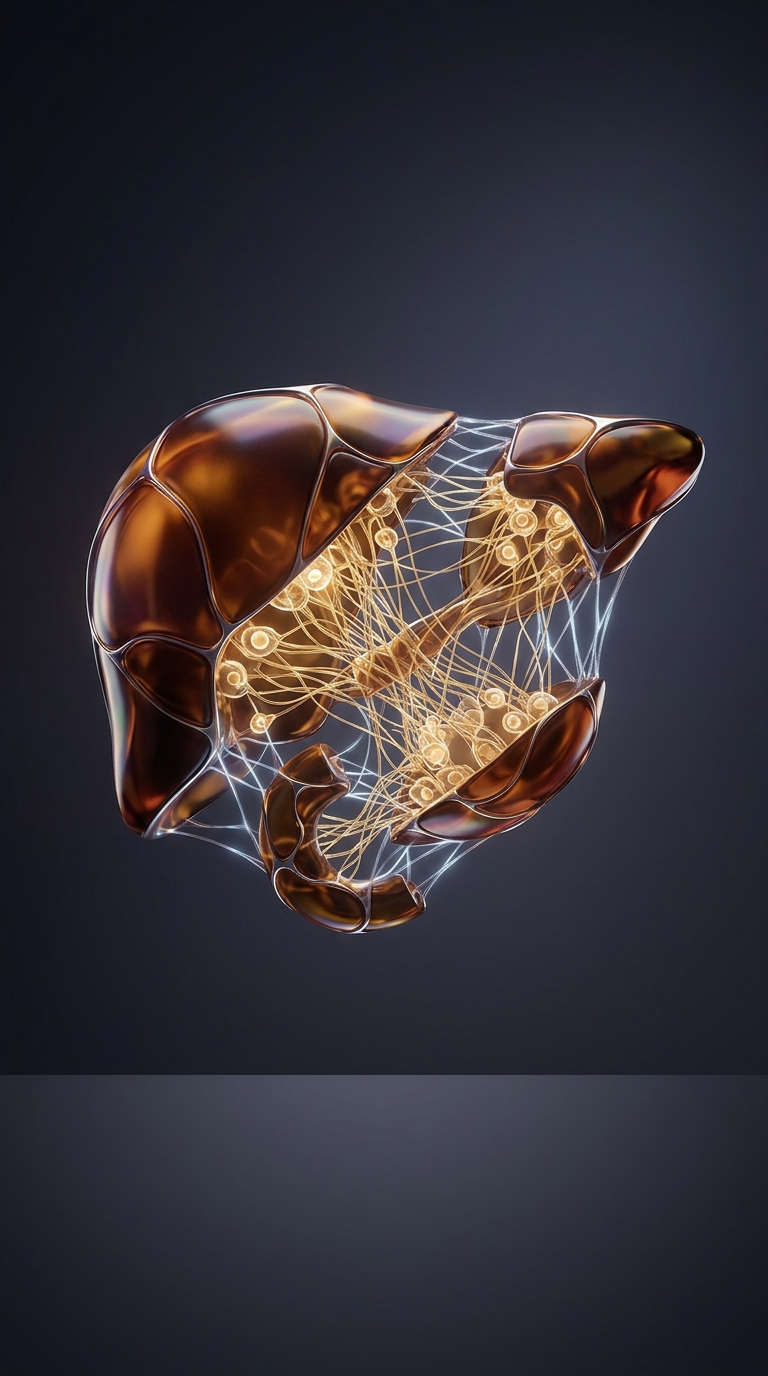
When part of the liver is removed, the rest does not wait for a replacement piece to grow. Instead, signals from the injured organ and the body prompt surviving liver cells—especially hepatocytes, the cells that perform many of the liver’s essential tasks—to grow larger and divide. This coordinated response increases the amount of functioning tissue.
The trigger is not simply empty space. Changes in blood flow and the balance of chemical signals help tell the remaining liver that its workload has risen relative to its size. Cells enter a growth cycle, while support cells and blood vessels adapt so the expanding tissue can keep receiving oxygen and nutrients.
Regrowth in function, not in shape
The process is often called liver regeneration, but that can suggest the wrong picture: a missing lobe growing back as an exact copy. After surgery, the liver generally restores enough working capacity and volume, not the original arrangement of the removed tissue. Its lobes and contours may remain different even as the organ’s functions recover.
How quickly and how fully this happens varies with the amount removed and the health of the remaining liver. Regeneration is strongest when the surviving tissue is healthy; disease or injury can limit the response. The remarkable point is not that the liver is indestructible, but that it can reorganize its living tissue to meet a changed demand—turning a smaller remnant into a larger, working organ.