From zoo creature to social label
In If I Ran the Zoo, “nerd” appears in a comic catalogue of imaginary animals: the narrator says he would bring back “a Nerkle, a Nerd, and a Seersucker too.” The word is not yet a description of a student or a personality. It is simply the name of one more odd-looking creature in Dr. Seuss’s invented menagerie.
That printed appearance, in 1950, is why Geisel is widely credited with introducing the word. It is safer to call it an early documented use than to claim certainty about who first said it aloud: slang often circulates in speech before anyone records it.
How a nonsense word acquired a target
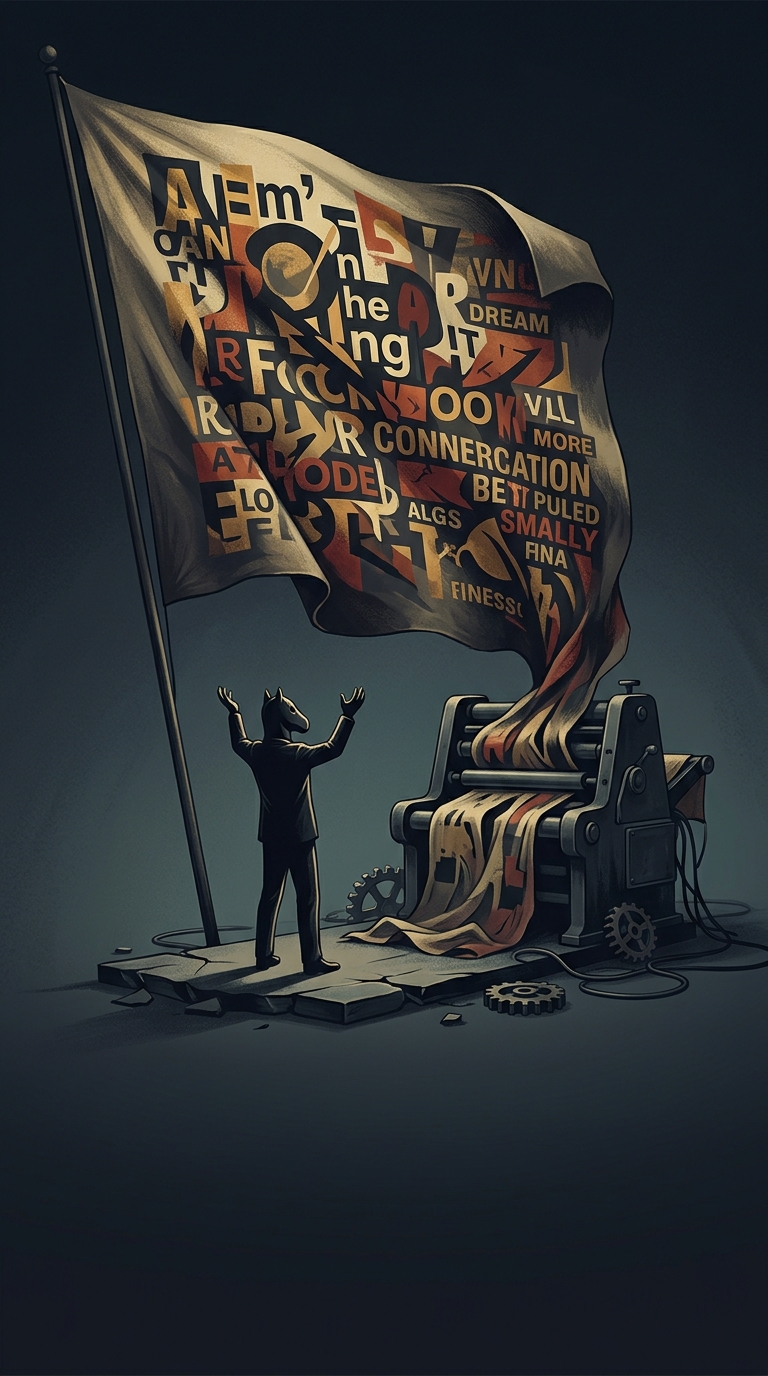
Over time, “nerd” became a label for someone seen as bookish, socially awkward, or intensely interested in specialized subjects. The change gave the word a social use the zoo passage did not have. Instead of naming a made-up animal, it could mark a person as an outsider—and, in school settings, serve as an insult.
The shift also made the word flexible. People could use it to tease someone, describe themselves with affection, or signal enthusiasm for a subject. Its meaning depended less on the creature Seuss drew than on who applied the label and whether the person embraced it.
The label outgrew the insult
As technical and academic interests became more visible in popular culture, “nerd” could suggest expertise as well as awkwardness. The same word that once singled out someone for knowing too much could become a badge of deep knowledge. Its long journey began with a brief throwaway name in a children’s book: a fictional animal whose name proved far more durable than its place in the zoo.