An open doorway changes more than the view
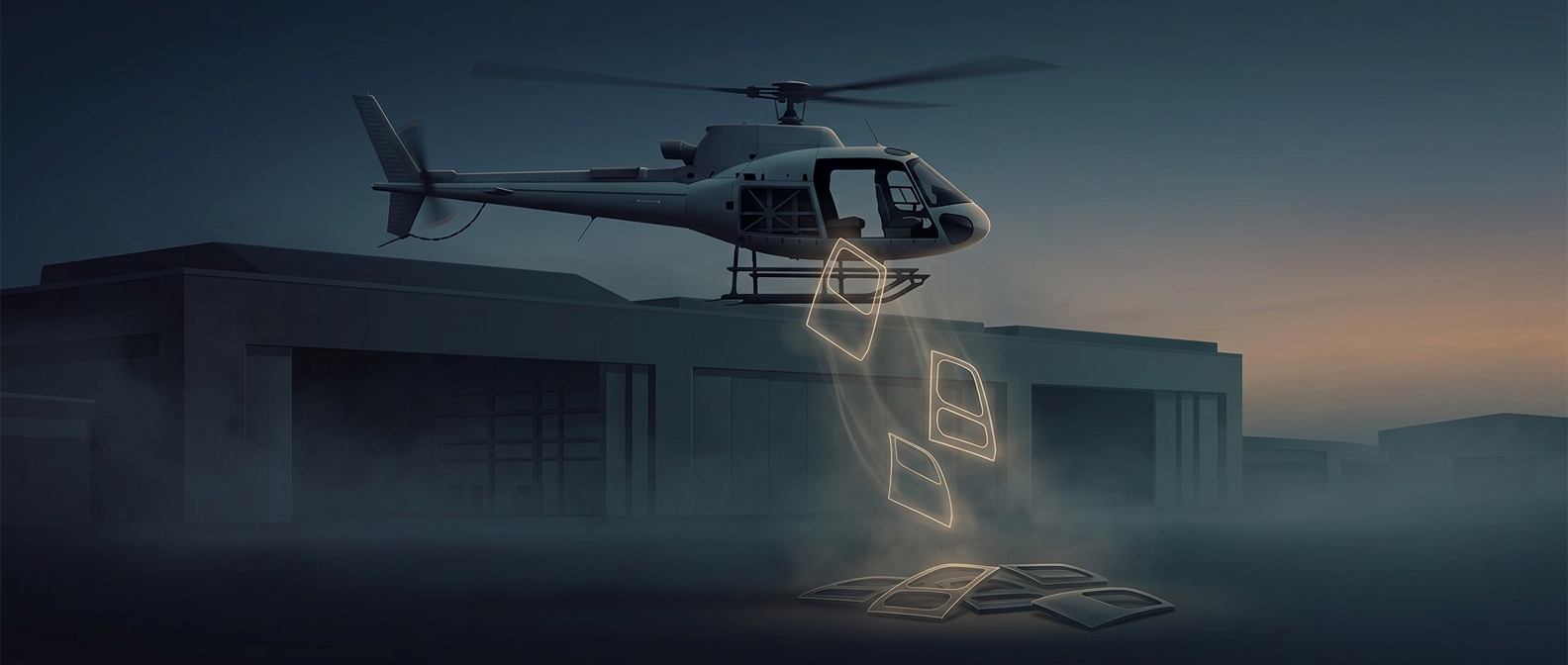
A helicopter door is part of the aircraft’s weight, but removing it also changes the space around the cabin. With the opening clear, a photographer can aim a camera without shooting through glass or a frame, and a crew member can see and reach outside more easily. The same opening can help with certain aerial-work tasks.
The tradeoff is exposure. The door normally separates occupants from wind, cold, rain, dust, and objects that might strike the cabin. Once it is removed, airflow can buffet people and equipment, and anything unsecured can become a hazard. A safety harness or other approved restraint matters because an open doorway offers no physical barrier at the edge.
The aircraft must be cleared for the configuration
Removing a door is not automatically safe just because the helicopter can still fly. The door, its latches, and the cabin opening are part of a particular aircraft design, and operating with the door off must be allowed for that aircraft and its mission. Flight crews account for the changed conditions, including limits on speed or other procedures where applicable.
For a short photography flight, the benefit is practical: an unobstructed view and slightly less weight can be worth the added wind and exposure. But the opening is not simply a bigger window. It turns the cabin wall into a working edge, where restraint, secured gear, and careful positioning become part of the flight.