A Reclining Seat Is Part of the Seat’s Design
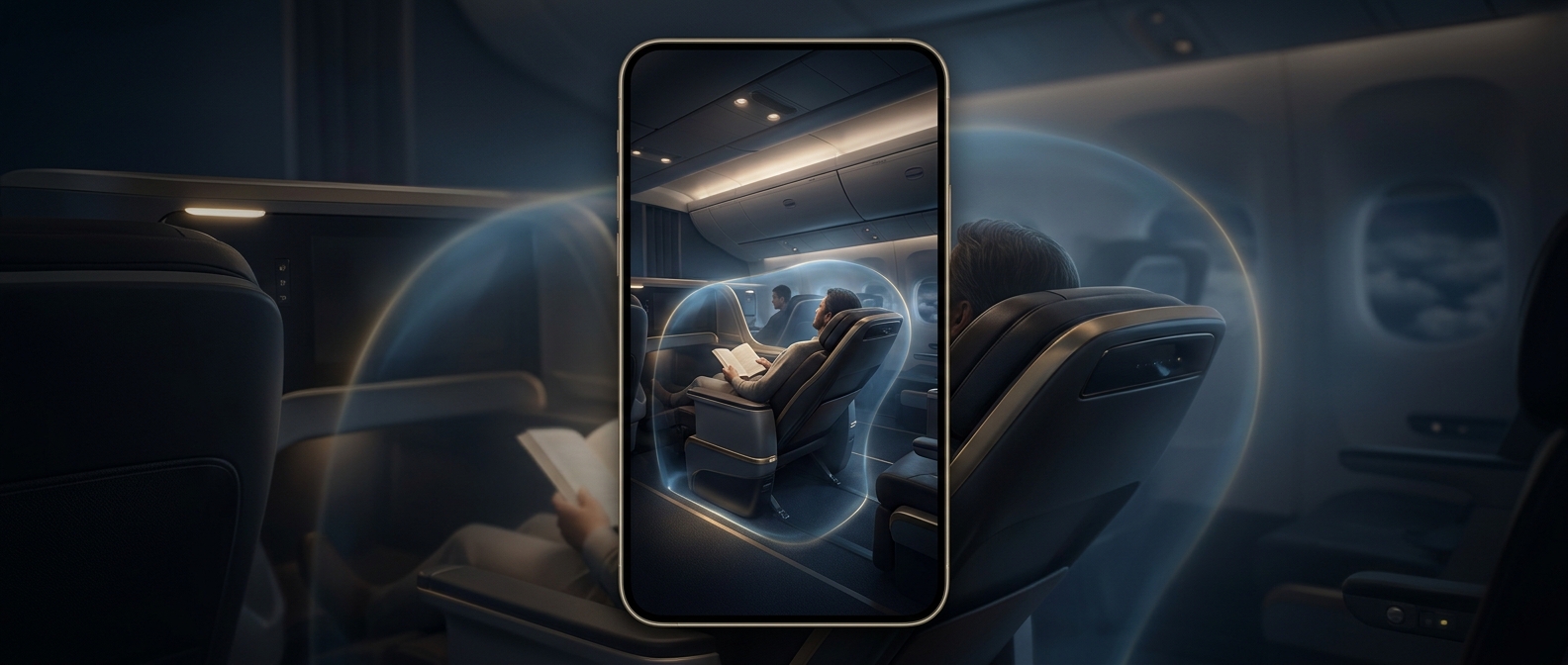
On an aircraft equipped with reclining seats, tilting the seat back is generally an allowed use of that seat—not something that requires permission from the passenger behind you. The hinge lets the backrest angle rearward while the seat base stays in place. Because cabin space is tightly allocated, even a modest tilt can move the top of the backrest into the space the next passenger uses.
That overlap explains the friction: one passenger gets a more relaxed angle, while another may feel the lost room at their knees, tray table, or screen. The seat is designed to recline, but the effect is shared across two rows.
Permission Has Practical Limits
Not every seat reclines, and some aircraft or seat models restrict or eliminate the feature. Airline policies and crew instructions also matter. For takeoff and landing, passengers are generally required to return seat backs to the upright position; crew directions take precedence over a passenger’s preference to recline.
So “allowed” does not mean “at any moment, under any conditions.” It means that, when the seat and cabin rules permit it, reclining is an ordinary use of the seat—not a violation simply because the person behind dislikes it.
The Courtesy Question Is Separate
A passenger can use the recline and still consider its timing. Reclining slowly gives the person behind a chance to move a drink or adjust a laptop, and sitting upright during a meal can make the cramped shared space easier to manage. The design grants the option; it cannot make the tradeoff feel equally comfortable for both rows.