How the Zodiac Reading Is Built
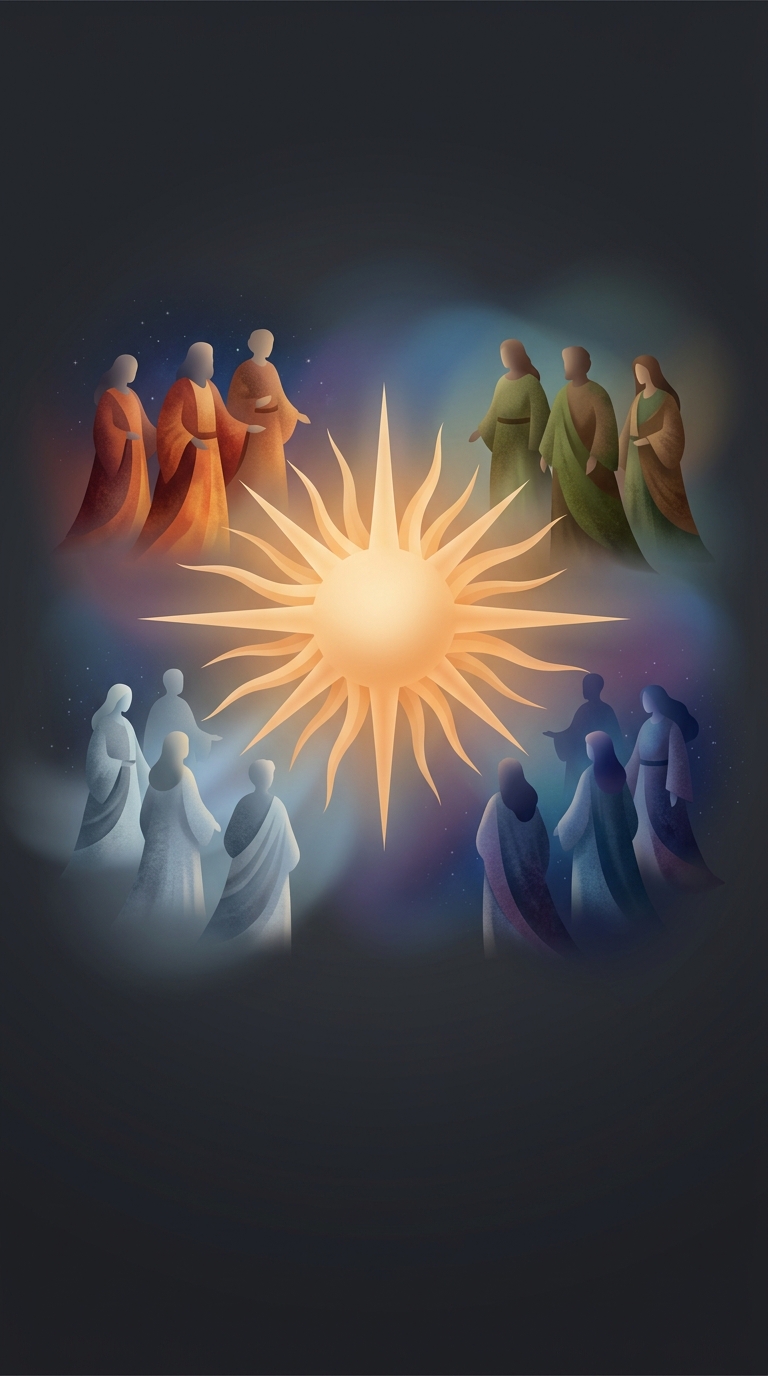
The theory treats the twelve apostles as a human zodiac: one figure for each sign, with the signs then sorted into four elemental families. In traditional astrology, fire, earth, air, and water each gather three signs. That gives interpreters a ready-made pattern of four groups of three to look for in Leonardo’s composition.
The Last Supper does visibly arrange the apostles in clusters around Jesus, rather than presenting them as a single, evenly spaced row. A zodiac reading takes those groupings as more than a solution to the painting’s crowded composition: it interprets them as an astrological structure, with Jesus at the center like the sun.
What the Painting Shows—and What the Theory Adds
The distinction matters. The apostles and their gestures are visible; their assignment to zodiac signs and elements is an interpretation layered onto them. The claim that Leonardo painted zodiac symbols into the work is not established simply by finding a pattern that can be matched to astrology. A convincing case would also need clear visual evidence for the symbols and a consistent explanation of which apostle corresponds to which sign.
Leonardo’s design already invites close reading. Christ’s central position, the room’s perspective, and the apostles’ animated reactions direct attention toward the moment he announces that one of them will betray him. The astrological theory offers another way to organize the figures, but it changes the question from “Who is reacting, and how?” to “What cosmic pattern might these groups encode?”
That is why the idea can be intriguing without being settled: it turns a scene of human shock and suspicion into a proposed map of the heavens, while leaving the crucial sign-to-apostle matches open to interpretation.