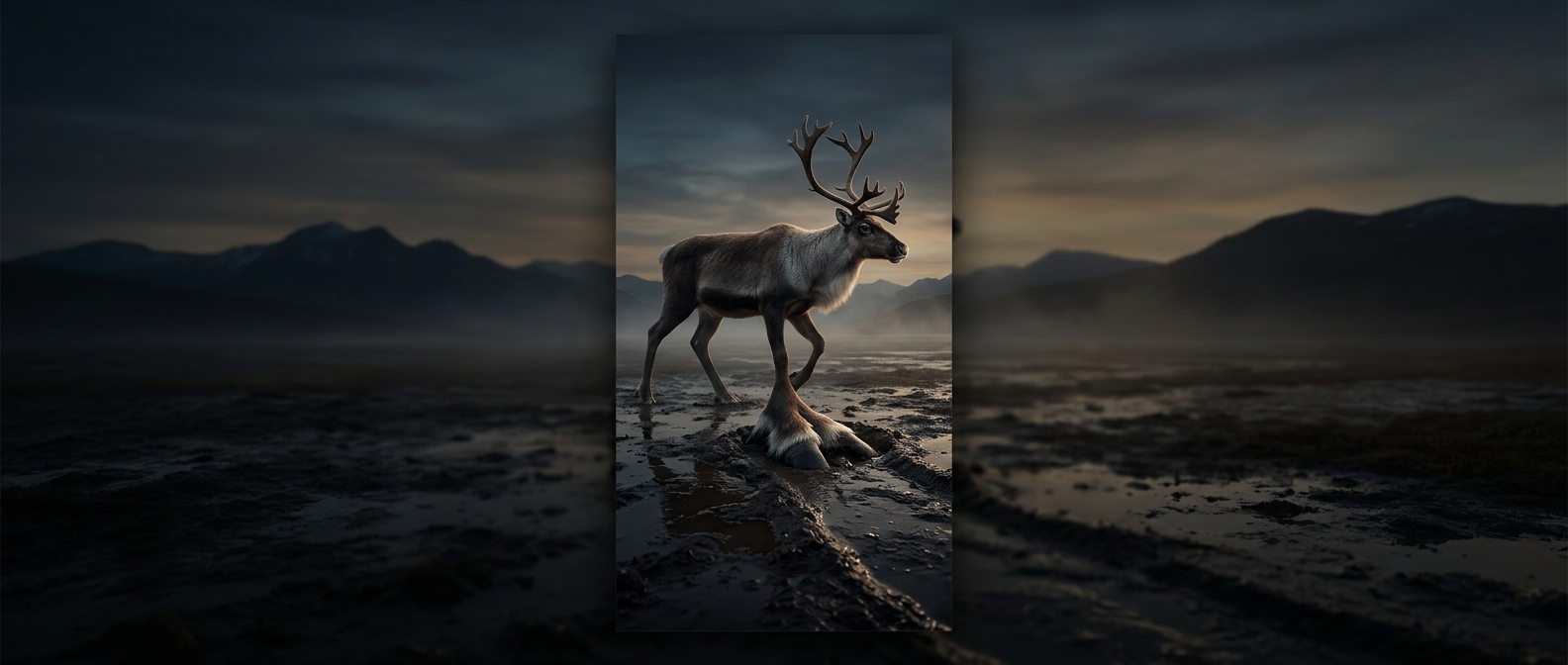
A foot built for the swing of a long leg
When an ostrich runs, each leg must move forward, then land and push back against the ground. Weight at the end of a leg is especially costly: the farther a mass sits from the hip, the more effort it takes to swing it. Having two toes rather than a broader set of digits keeps the foot comparatively simple and light, helping the bird cycle its long legs quickly.
One toe does most of the work
The two toes are not equal. The large inner toe carries most of the load and has a tough nail at its tip. The smaller outer toe provides less support. On contact, the broad, padded underside helps spread impact, while the nail and foot’s shape help the bird maintain purchase as it pushes off. The foot is therefore not merely a reduced hand-like structure; it is specialized for repeated contact with firm ground.
A tradeoff shaped by running
Most birds have three or four toes, but an ostrich’s foot reflects a different balance of needs. It does not need the grasping versatility of a perching foot. Over generations, traits that helped these birds travel efficiently on the ground could be favored, including a reduced number of toes and a dominant weight-bearing digit.
That reduction matters because running loads the legs over and over: less mass at the end of each long leg means less to accelerate with every stride.