The Patent Behind a Television Game
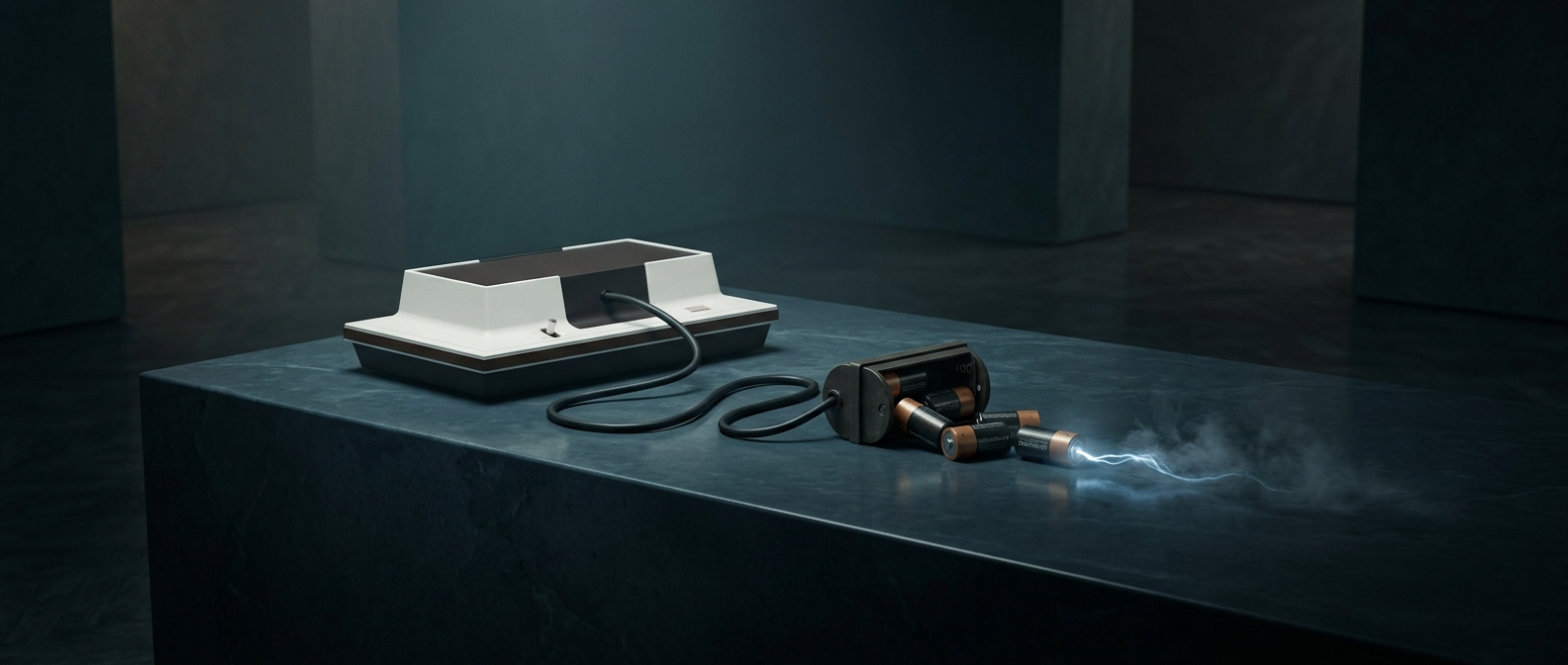
Magnavox’s legal leverage came from work by engineer Ralph Baer and his colleagues at Sanders Associates. Their early home-game system used a television not just to show a broadcast, but as the screen for a game controlled by players. Magnavox brought the resulting technology to market in the Odyssey, released in 1972, and obtained patents describing key parts of the television-game system.
Those patents mattered beyond the Odyssey itself. A rival did not necessarily need to copy Magnavox’s console or its particular games to face a claim: the legal question could turn on whether its product used the kind of system the patents covered. That made the patents relevant as home video games spread and competing manufacturers built their own machines.
A Business Built Around Enforcement
Magnavox and its patent-holding partner pursued manufacturers whose systems they believed fell within the patents. The disputes often ended in licensing agreements or settlements rather than a product-by-product contest in court. For a hardware company, paying to resolve a claim could be less costly and risky than continuing litigation while a popular product was on sale.
That created an unusual business result. The Odyssey had limited commercial reach compared with the industry that followed, but its underlying patented ideas gave Magnavox a way to earn money from other companies’ success. The lasting consequence was that some of the most valuable returns from the first home-game system came not from selling consoles, but from controlling rights other manufacturers had to reckon with.