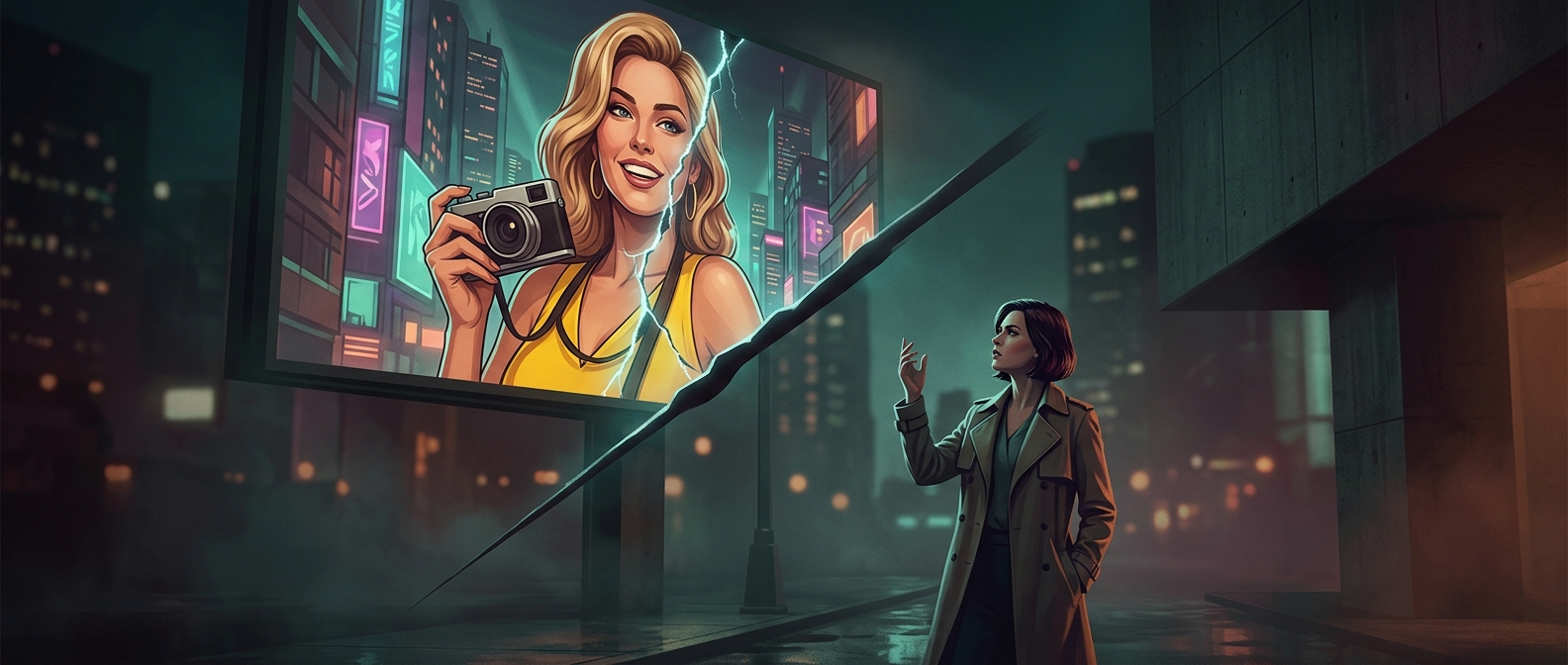
Why a Familiar Pose Wasn’t Enough
A blonde woman in a bikini, flashing a peace sign, can evoke a celebrity without actually identifying her. That distinction was central to Lindsay Lohan’s lawsuit against the makers of Grand Theft Auto V. Lohan argued that the game used her likeness in promotional artwork and in a character named Lacey Jonas, a fictional actress who appears in the game’s story.
The dispute turned on what New York law protects. The state’s right-of-publicity rules restrict using someone’s name, portrait, picture, or voice for advertising or trade without permission. They do not automatically give a celebrity control over every fictional character or image that resembles a familiar style or type.
A Character, Not a Portrait
The New York Court of Appeals dismissed Lohan’s claims in 2018. It found that the game’s images did not amount to a recognizable portrait of her, and that Jonas was a fictional character rather than a depiction of Lohan herself. A few shared traits—such as blonde hair, fashionable clothes, or a conspicuous pose—were not enough to establish that the game had used her identity.
That standard matters in games because creators routinely build characters from visual shorthand: a hairstyle, outfit, gesture, or attitude can quickly suggest a certain kind of person. If those broad cues alone counted as someone’s protected likeness, ordinary fictional design could become legally risky whenever it brushed against a celebrity’s public image.
The Boundary Between Reference and Identity
The ruling did not mean a game can freely use a real person’s recognizable face or name. It drew a narrower line: resemblance must amount to an identifiable use of the person’s identity, not merely an image that brings them to mind. In this case, the bikini and peace sign did not cross that line—leaving the character inside the realm of fiction rather than turning her into a legally recognizable portrait.