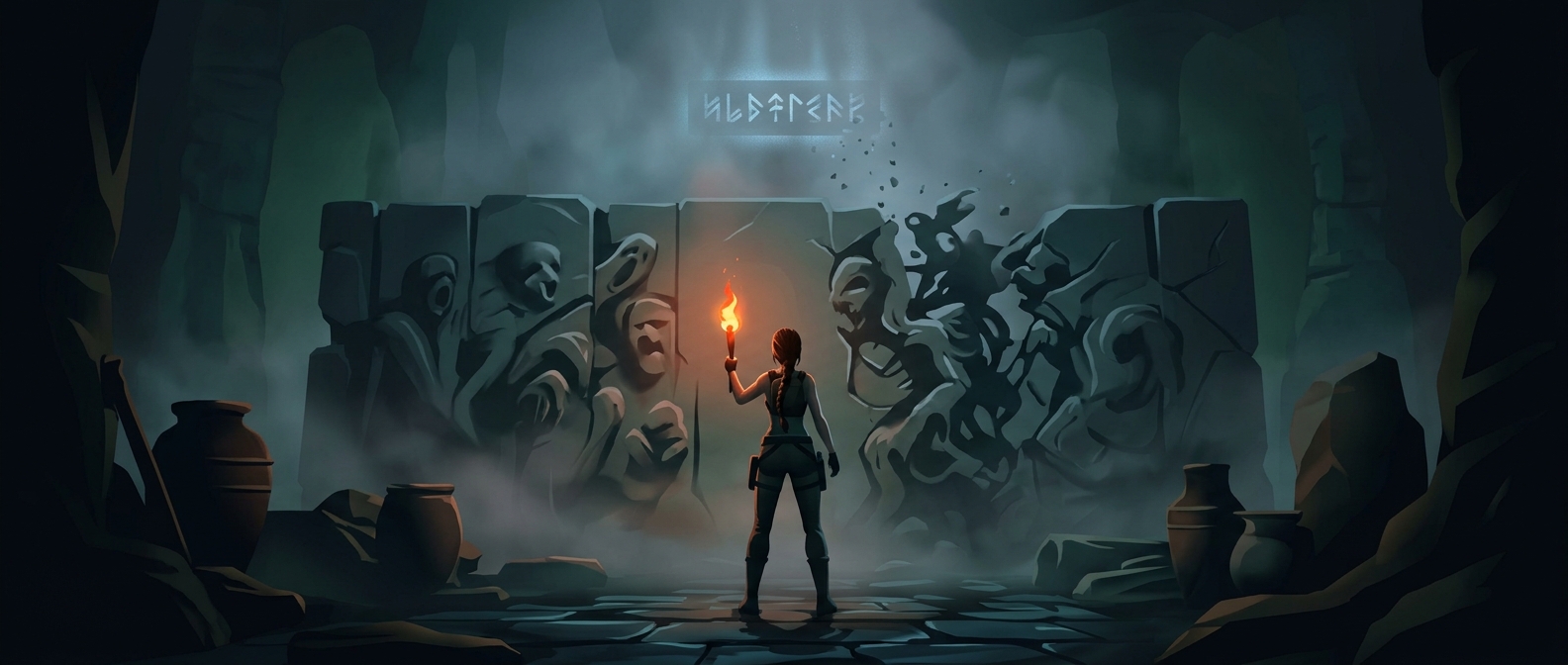
A rumor built for the cheat-code era
In the 1990s, a secret button sequence sounded like a plausible way to uncover hidden content. Games often rewarded experimentation with shortcuts, level skips, or other surprises, and magazines printed tips that readers could try for themselves. A supposed “nude code” for Tomb Raider fit that culture: it promised a scandalous secret in a form that seemed easy to test.
But a code is not a magic key. The game has to contain instructions for recognizing the button sequence and changing what appears on screen. No combination could undress Lara Croft because that hidden behavior was not there to activate. Repeating the sequence could not make the game reveal an outfit that its software did not provide.
Why the story kept circulating
The claim drew on Lara Croft’s public image as well as players’ appetite for secrets. That made it compelling enough to travel through gaming magazines, where a printed tip could reach far beyond the person who first invented or repeated it. Readers could try it, fail, and still pass along the rumor as something supposedly withheld or difficult to trigger.
Core Design’s threat to sue magazines that continued publishing the claim shows how a false tip could become more than a playground joke: it could put a publisher’s credibility and legal exposure in the same frame. The enduring twist is that the “secret” was never a hidden reward at all. Its life depended on people mistaking a plausible-sounding instruction for a feature the game actually contained.