The Ruin Is Built to Be Played Through
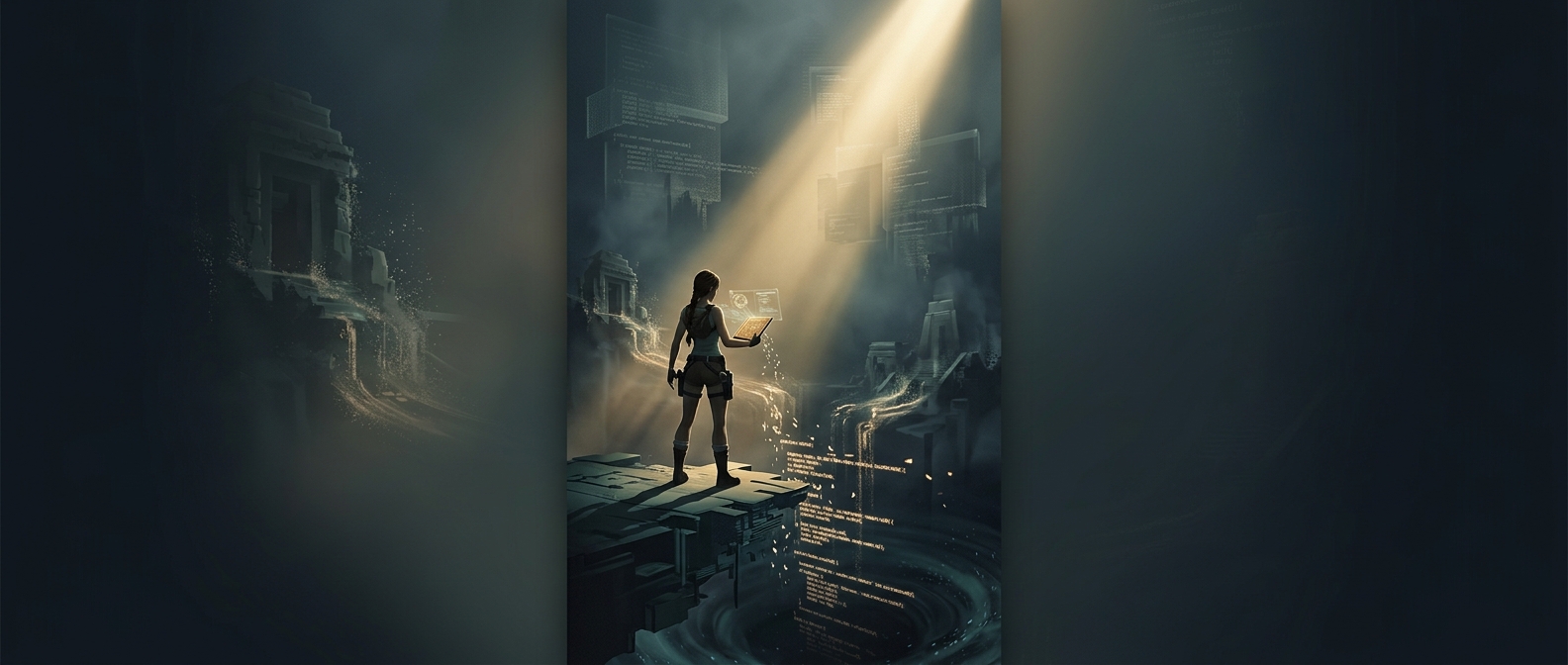
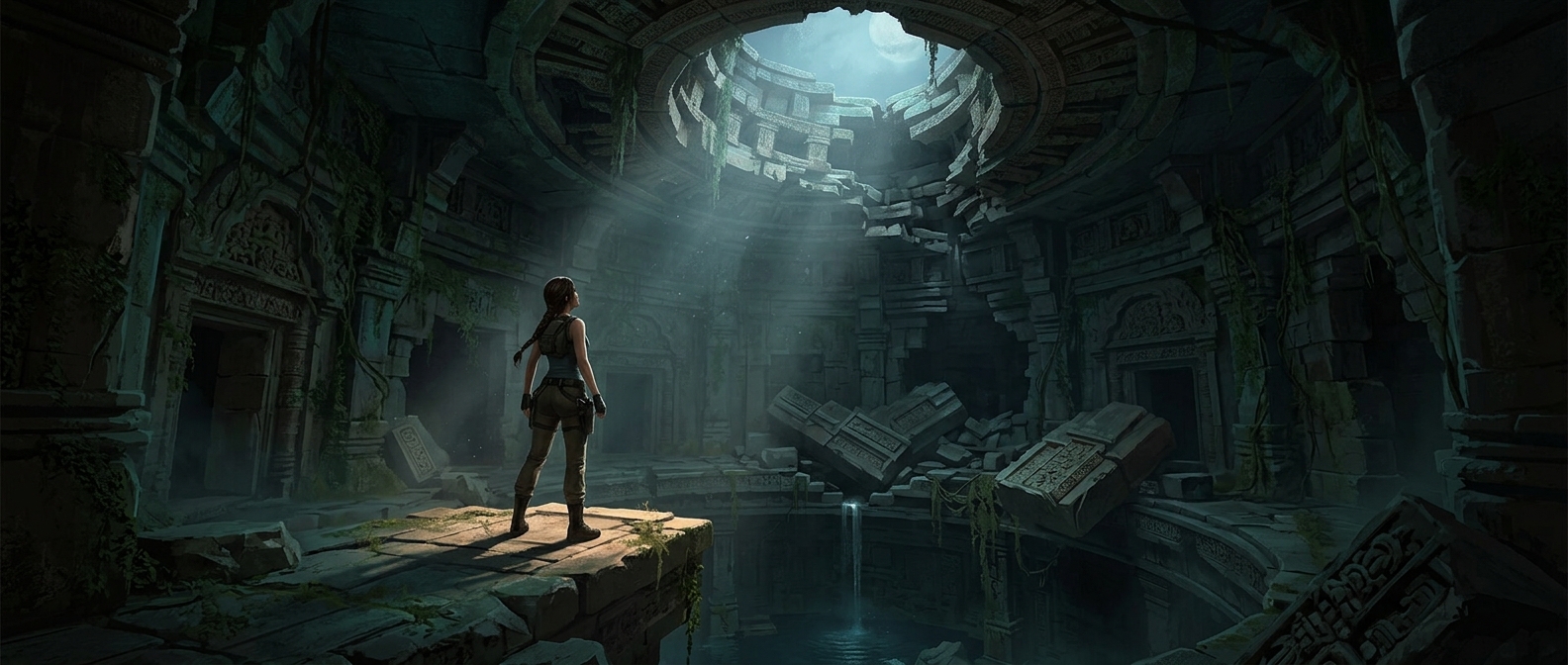
In Tomb Raider, an ancient site is not just a setting; it is a chain of problems for the player to solve. Crumbling ledges become routes, traps become timing challenges, and sealed chambers promise a reward. To keep moving, Lara may need to climb, break, or blast her way through spaces that the story presents as historically precious.
That design turns damage into part of the game’s action language. A smashed barrier signals progress; an artifact found in a hidden room can feel like a prize for curiosity. The player is encouraged to read the ruin as both a puzzle and a storehouse, even when the fiction frames it as endangered.
Adventure Rewards a Different Kind of Success
Real archaeology depends on more than finding an object: its location and relationship to other evidence help explain how people used a place. Remove an artifact from that context, and some of its history becomes harder to recover. The game’s adventure logic usually points the other way. It makes discovery immediate and personal, while the consequences of disturbance are largely part of the spectacle.
That tension is a useful part of the series’ appeal. Lara is presented as an explorer, but the player’s practical goal is to get through the level and claim what it offers. The result is a memorable contradiction: the more successfully she conquers a ruin as a game space, the less carefully she treats it as a record of the past.