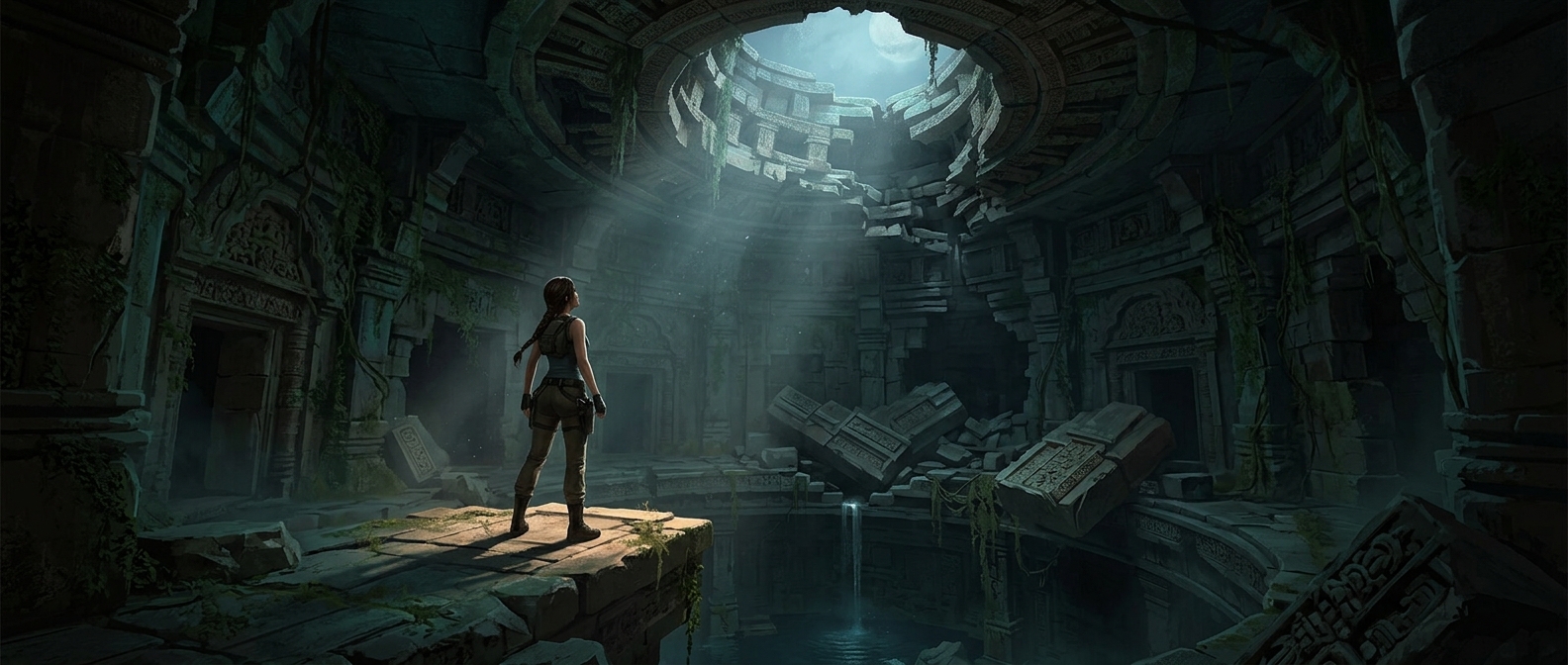
How Ta Prohm Became “the Tomb Raider Temple”
For many viewers, Cambodia entered the imagination not through a map or history book, but as a landscape of jungle-covered stone. Lara Croft: Tomb Raider, released in 2001 and starring Angelina Jolie, filmed scenes at Ta Prohm, a temple complex near Siem Reap. Its huge tree roots, which twist across crumbling stone, gave the movie a striking setting that seemed to blur adventure fiction with a real place.
That visual connection was easy to carry home. Travelers could seek out the temple they had seen on screen, and the nickname “Tomb Raider temple” made the connection simple to remember and share. The film did not create Ta Prohm or its appeal; it gave a global audience a familiar story through which to recognize it.
From Screen Image to Travel Itinerary
A movie can influence travel by turning a location into more than a scenic backdrop. Viewers remember a place as part of a story, then arrive with a specific image in mind: the stone corridors, the roots, the sense of discovery. At Ta Prohm, the real ruins make that imagined scene tangible, while the contrast between the film’s adventure and the site’s historical setting gives visitors another reason to explore beyond the movie connection.
The effect is a form of cultural shorthand: “Tomb Raider” helps people identify a Cambodian landmark, while a visit lets them encounter the place on its own terms. Hollywood supplied the introduction; the temple’s distinctive landscape made the association last.