How a game can make disobedience part of the script
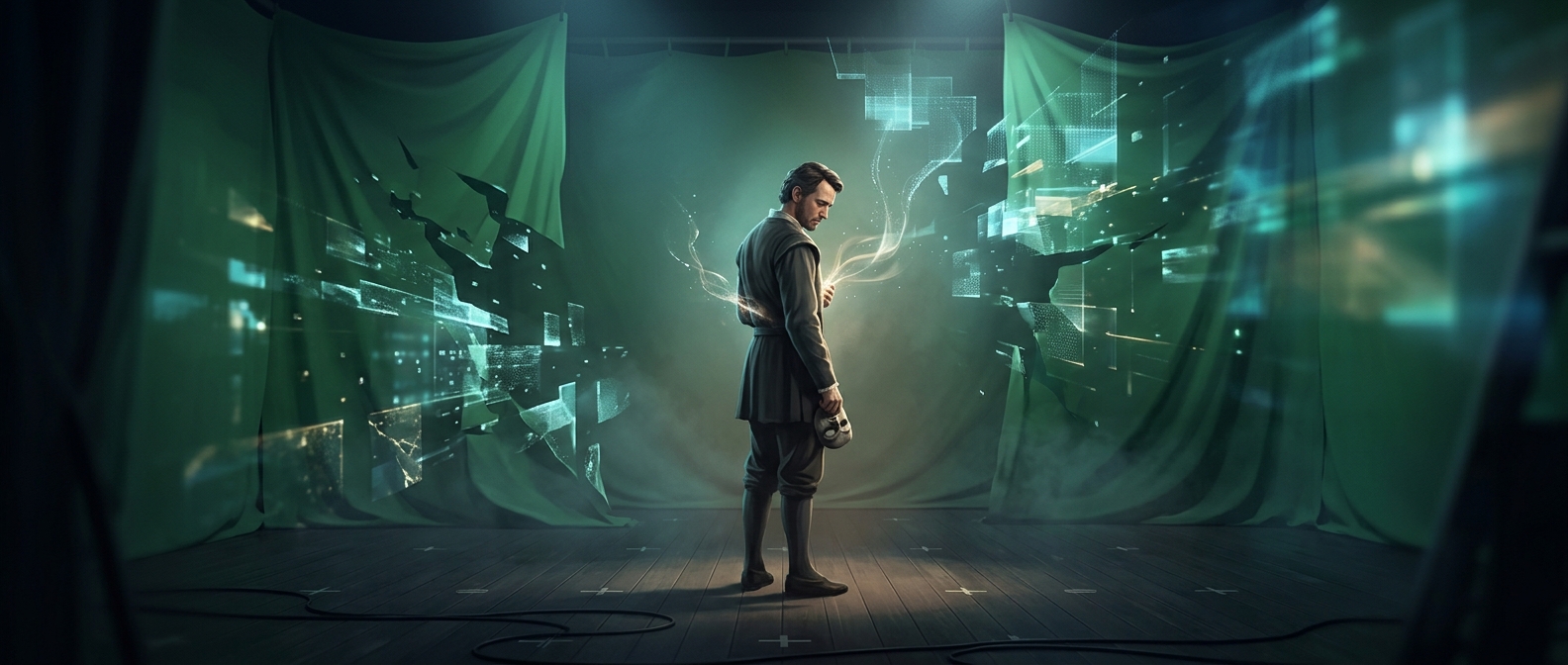
A game usually treats rules as boundaries: cross one, and you may hit an invisible wall, lose, or simply find nothing there. A game built to comment on rule-breaking uses a different approach. Its designers anticipate the player’s likely detours and write narration for them, turning an apparent escape from the story into another moment the story can respond to.
That requires more than a single joke about misbehavior. The game has to recognize different actions—such as refusing an instruction or heading somewhere unexpected—and connect each one to a fitting line of voice-over. The response makes the player’s choice feel noticed, even though the possible choice and its commentary were planned in advance.
The joke depends on the gap between choice and control
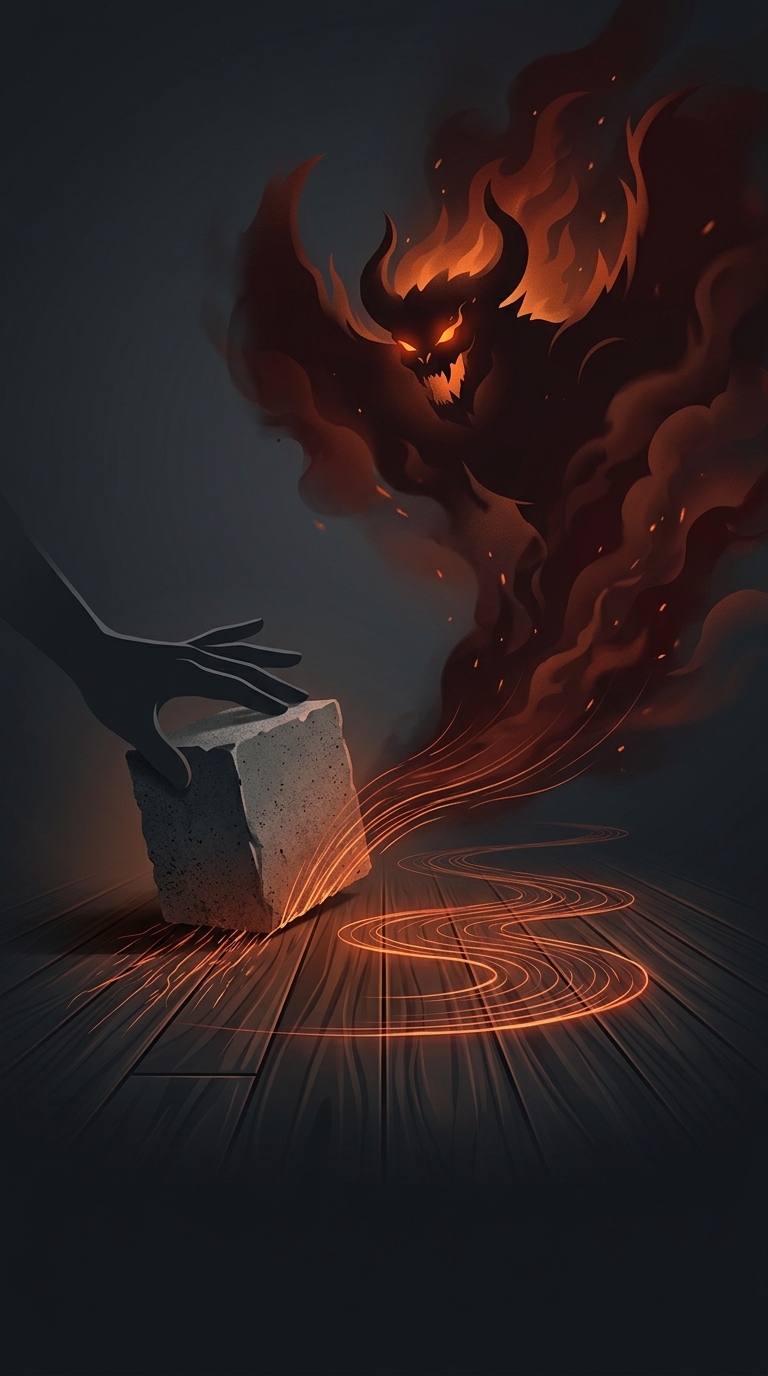
Sarcasm is especially useful because it can acknowledge defiance without pretending the player has escaped the game’s design. The narrator can treat a supposedly rebellious act as predictable, or make the attempt itself the punchline. The player still chooses what to do; the designers decide which reactions the game can deliver.
There is a practical limit: no team can write a unique response to every imaginable action. The design works by anticipating the behaviors most likely to feel like acts of rebellion, then making those behaviors legible to the game. That changes the usual relationship between rules and exploration. Instead of merely blocking a player who tests the boundaries, the game can turn the test into dialogue—and make even disobedience feel like a scene.