The agency gap between playing and watching
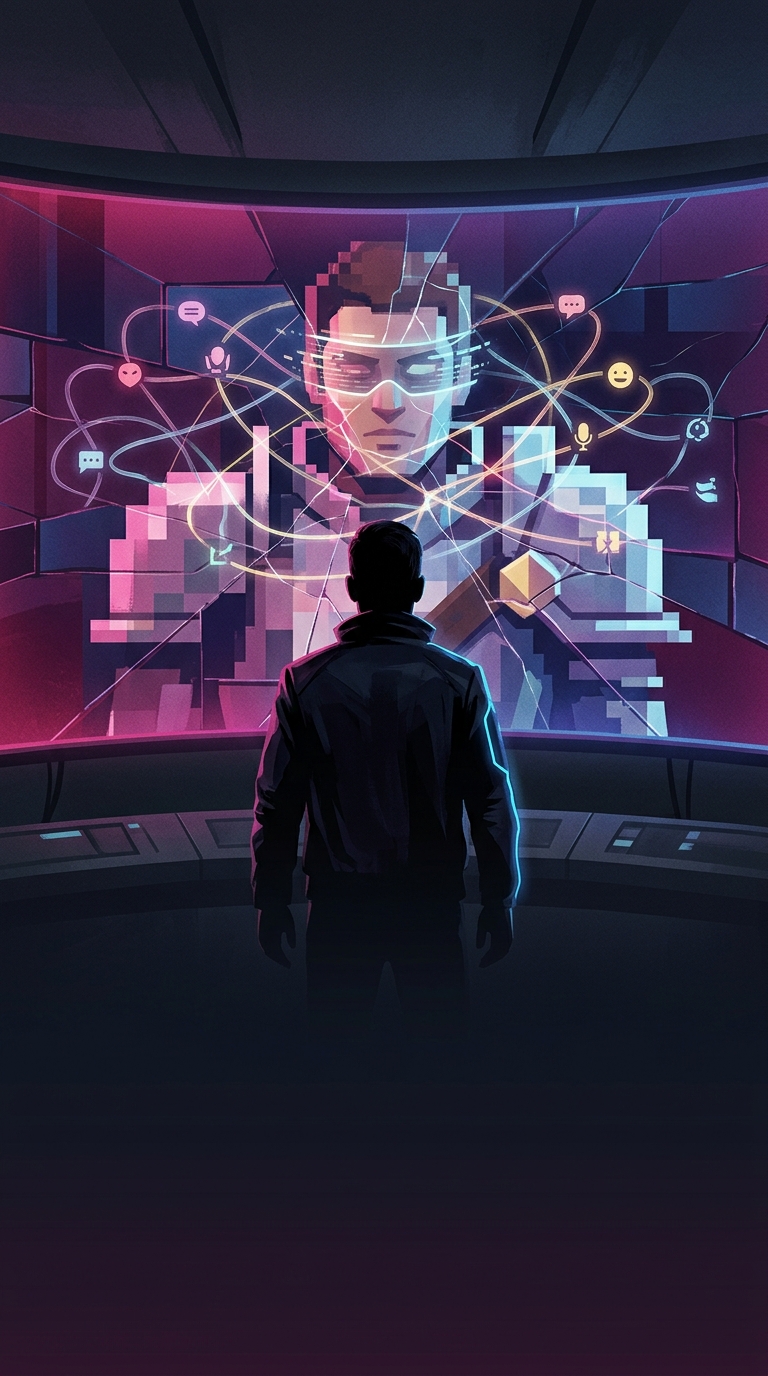
A game does not just show a hero; it lets the player steer one. You may choose where to go, how to fight, or which risks to take. Even when a game’s story is fixed, the feeling of control makes its protagonist partly yours.
A live-action adaptation removes that control. The audience watches someone else make decisions, often in a version of the story that cannot include every player’s route, discovery, or preferred interpretation. That change can feel less like a translation and more like a loss: the viewer is asked to care about a character they once helped direct.
Familiarity raises the stakes
Beloved games also leave players with vivid memories of performing events, not merely seeing them. A tense encounter may be remembered through the player’s own timing and mistakes; a quiet location may feel meaningful because they explored it themselves. On screen, those moments arrive as fixed scenes. If the adaptation changes them, fans may feel that it has misplaced something personal. If it reproduces them exactly, the scenes can seem like reenactments rather than a story with its own momentum.
That is the psychological bind: the adaptation must make a familiar world feel recognizable while giving viewers a reason to watch instead of simply remembering playing. The strongest versions tend to treat the game as material for a new dramatic experience—preserving its emotional core, but building characters and conflicts that work without a controller in the audience’s hands.