How another person’s tension changes your own
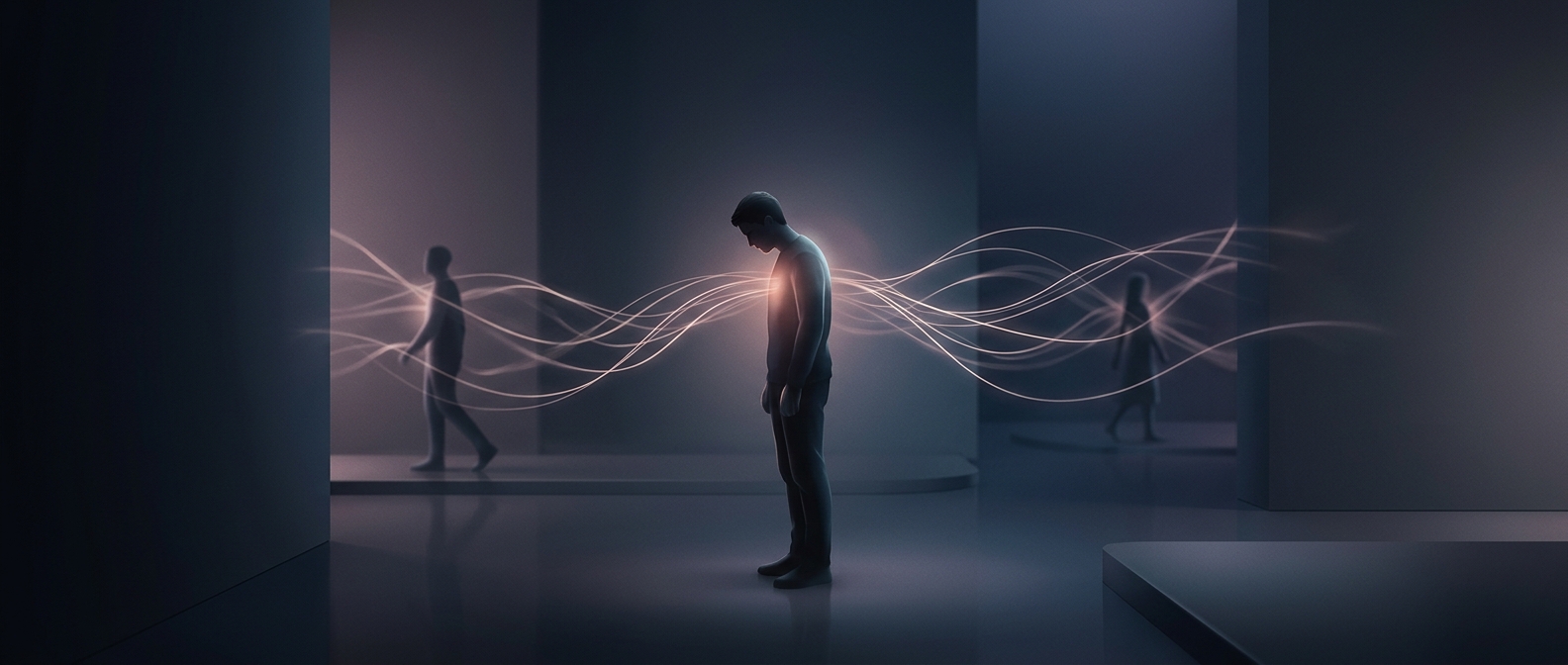
Stress is communicated through more than words. A sharp tone, hurried movements, or a fixed expression can signal that a situation may be risky or demanding. Your brain processes these cues quickly, often before you have worked out what is happening, and shifts attention toward the person and their surroundings.
You may also unconsciously copy small parts of what you see: tightening your jaw, holding your breath, or adopting a guarded posture. This subtle mimicry can help people coordinate socially, but it also gives your brain feedback from your own body. A tense body can feel like evidence that tension is warranted.
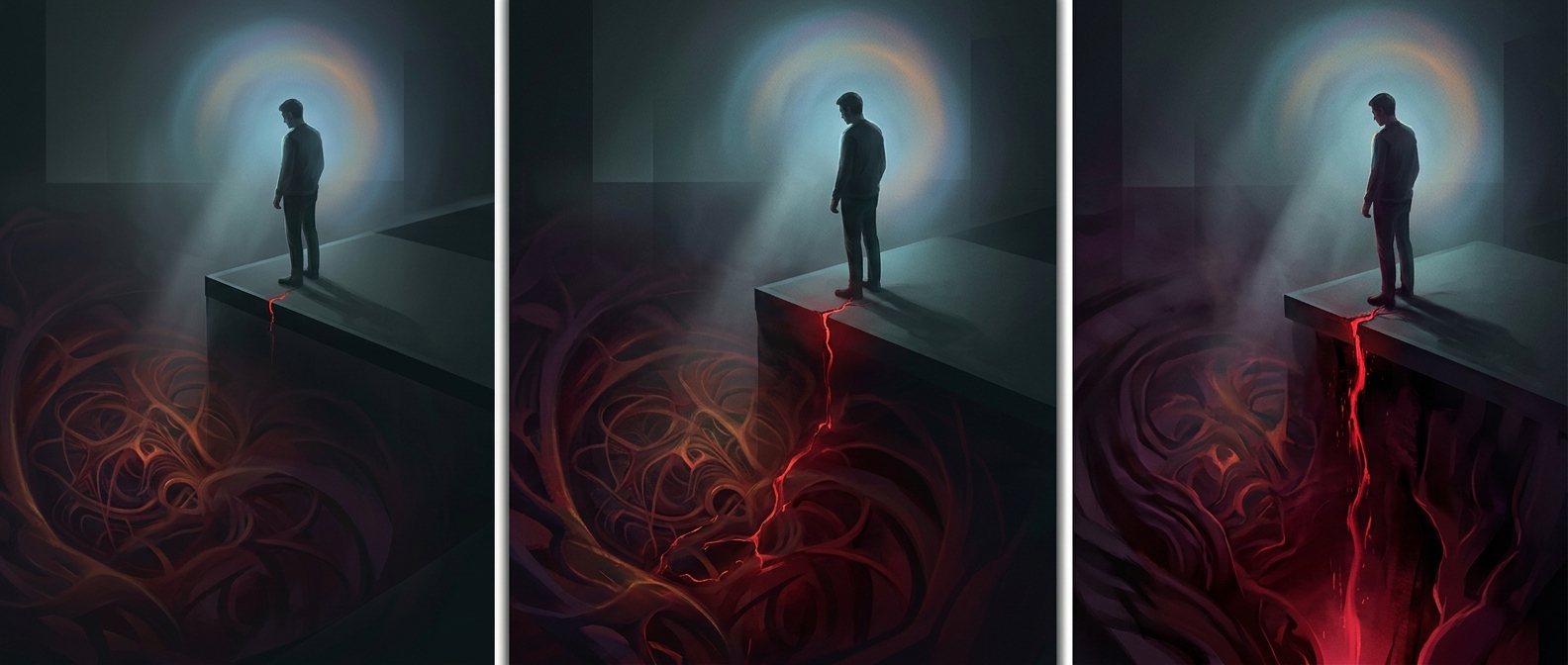
The body’s signal becomes part of the story
The brain does not simply read another person’s emotion as a label. It combines cues from their face, voice, and behavior with signals from your own body and the context you share. If a coworker suddenly speaks in clipped sentences during a meeting, for example, you might feel your shoulders rise and begin scanning for a problem—even before you know whether the issue concerns you.
That reaction is an inference, not proof that you are in danger. The same tense behavior could reflect a deadline, an unrelated worry, or a misunderstanding. Once you learn what is going on, your interpretation—and often your bodily response—can change.
Why stress can spread through a group
This quick sensitivity is useful: noticing another person’s alarm can help you respond to a genuine threat or offer support. But it can also amplify unease when people react to one another without knowing the cause. A feeling that seems to come from inside you may have been partly prompted by the signals around you. Pausing to identify the cue—“I’m reacting to their urgency”—creates room to check the situation before treating the feeling as a warning.