Why Inline Skates Made Stopping a Skill
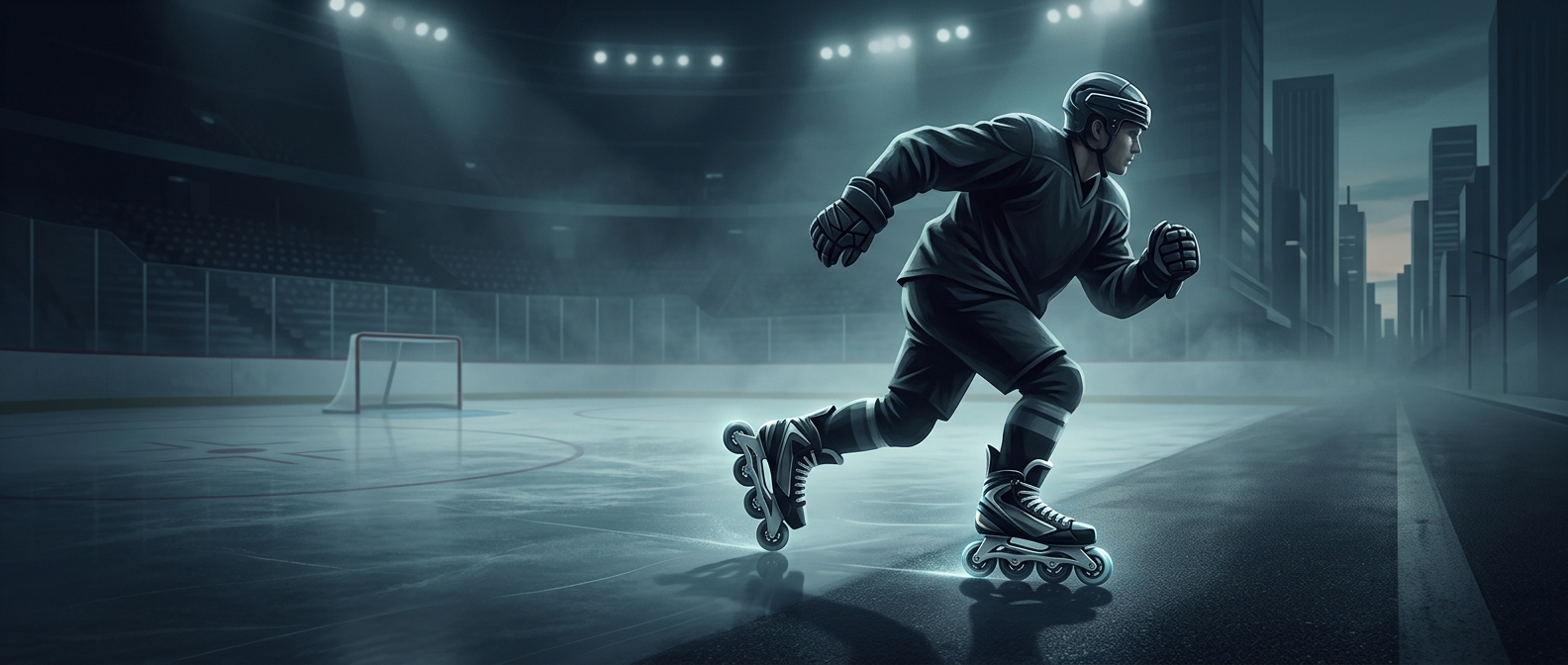
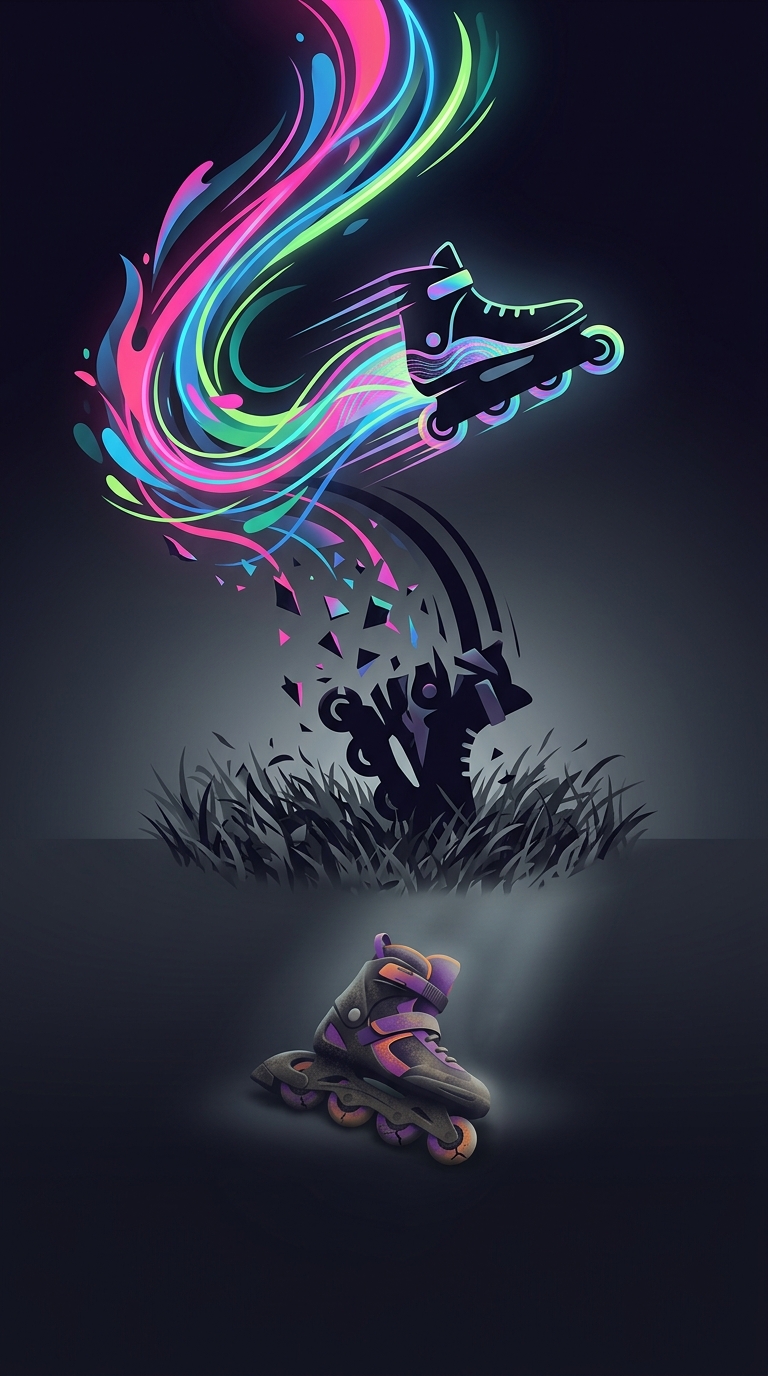
Inline skates put several wheels in a straight line beneath each foot. That arrangement rolls smoothly and efficiently, but it also leaves the skater balancing on a narrow track: to slow down, you have to control your weight as well as the wheels. The common heel brake makes that challenge visible. It is a rubber pad behind one skate, positioned to scrape the ground when you lift the skate’s toe and press the heel down.
The Brake Depends on Balance
The motion sounds simple, but it changes the skater’s stance. You shift weight onto the skate that stays flat, move the braked skate forward, then raise its front so the heel pad can meet the pavement. Press too timidly and friction may not slow you much; lean or shift awkwardly and you can wobble or lose balance. Beginners often need to practice the sequence at low speed before trusting it in a crowded or fast-moving setting.
That is why an uncontrolled glide could end with a turn onto grass. Grass adds drag and can bring a skater to a stop without demanding the same precise heel-brake motion. But it is an improvised escape, not a reliable stopping technique: uneven ground can catch the wheels and throw the skater off balance.
Efficient Rolling, Demanding Control
Inline skates can be enjoyable exercise because the skater propels the body repeatedly while maintaining balance. The same smooth rolling that makes them feel fast also means momentum has to be managed deliberately. Unlike simply planting a foot while walking, stopping on skates requires a practiced movement that converts forward motion into friction at the brake.
The heel brake was a practical piece of equipment, but its effectiveness depended on the person using it. On a boardwalk, the difference between effortless cruising and an abrupt detour into the grass could come down to one small skill: keeping one skate steady while tipping the other back.