The skill behind Ann Lee’s work at the forge
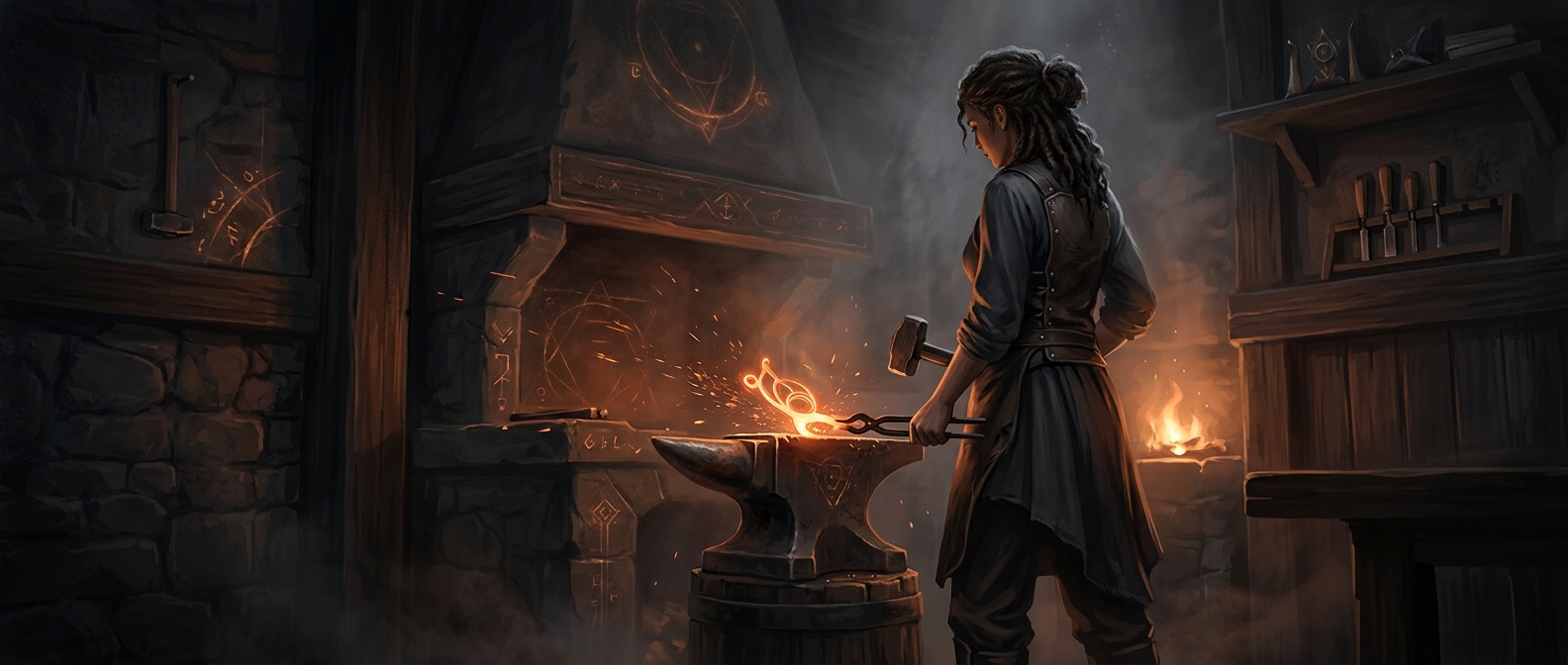
A blacksmith’s job demanded more than strength. Iron had to be heated until it could be shaped, then struck with a hammer at the right angle and pace. A misplaced blow could waste material or leave a piece misshapen. The work called for practiced judgment as well as the stamina to handle heavy tools and repeated blows.
For Ann Lee, working as a blacksmith meant entering a trade widely associated with men. The physical demands were real, but so were the social barriers: women’s work was often confined to roles considered suitable for them, and skilled trades were not generally open on equal terms. Lee’s presence in the forge therefore stands out not because blacksmithing was simply brute force, but because it required expertise in a field women rarely occupied.
A working life beyond religious leadership
Lee is best known as the founding leader of the Shakers, a religious movement that grew from her preaching and teachings. Remembering her as a worker as well as a spiritual figure makes her story more concrete: her life included practical, demanding labor, not only religious leadership.
The forge offers a vivid measure of what that labor involved. Every shaped piece of iron depended on a worker’s control of heat, hammer, and timing—a skilled craft performed in a setting where a woman’s right to do it could itself be questioned.