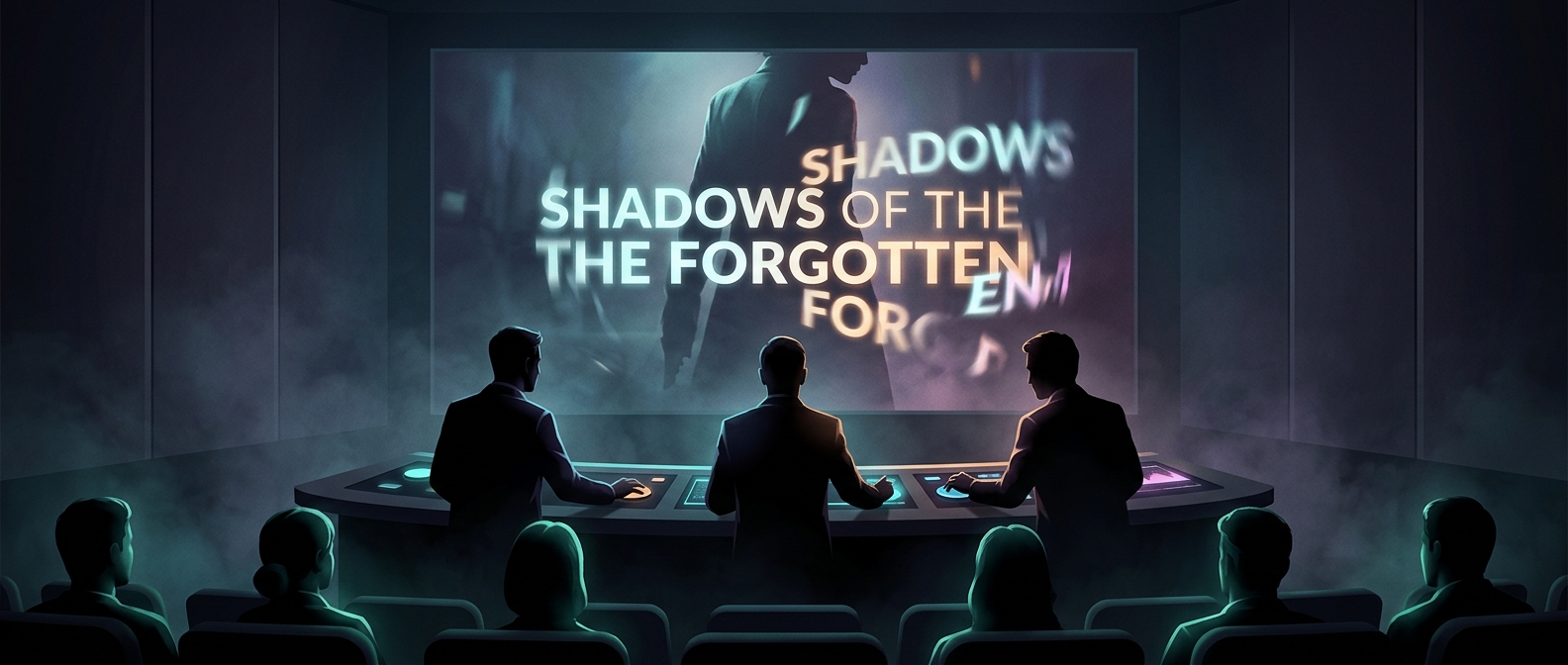
A title has to make sense before the story begins
A movie title is often the first piece of the story an audience encounters—and sometimes the only one they see before deciding whether to pay attention. A metaphor can carry mood or theme, but it asks viewers to do interpretive work. If people cannot tell what the phrase is meant to suggest, they may remember the confusion rather than the film.
That matters especially in advertising, where a title has to travel on a poster, trailer, or listing with little room for explanation. A more literal alternative can signal the subject or premise immediately, helping a viewer place the film before knowing its characters or plot.
What audience testing can reveal
Focus groups let studios hear how people respond to a title without the filmmakers explaining what they intended. Participants may interpret the same metaphor in several ways, or fail to connect it to the story at all. That response is useful because it exposes a gap between the meaning creators have in mind and the meaning a title communicates on its own.
Changing the title is a tradeoff, not an automatic improvement. A literal name may be easier to grasp, while a more suggestive one may be more distinctive or better suited to the film’s tone. Testing can help a studio decide which quality matters more for the audience it wants to reach. The revealing question is not simply whether a title sounds clever, but whether it gives a stranger a reason—and a clear enough path—to look closer.