When a Camera Could Make the Likeness
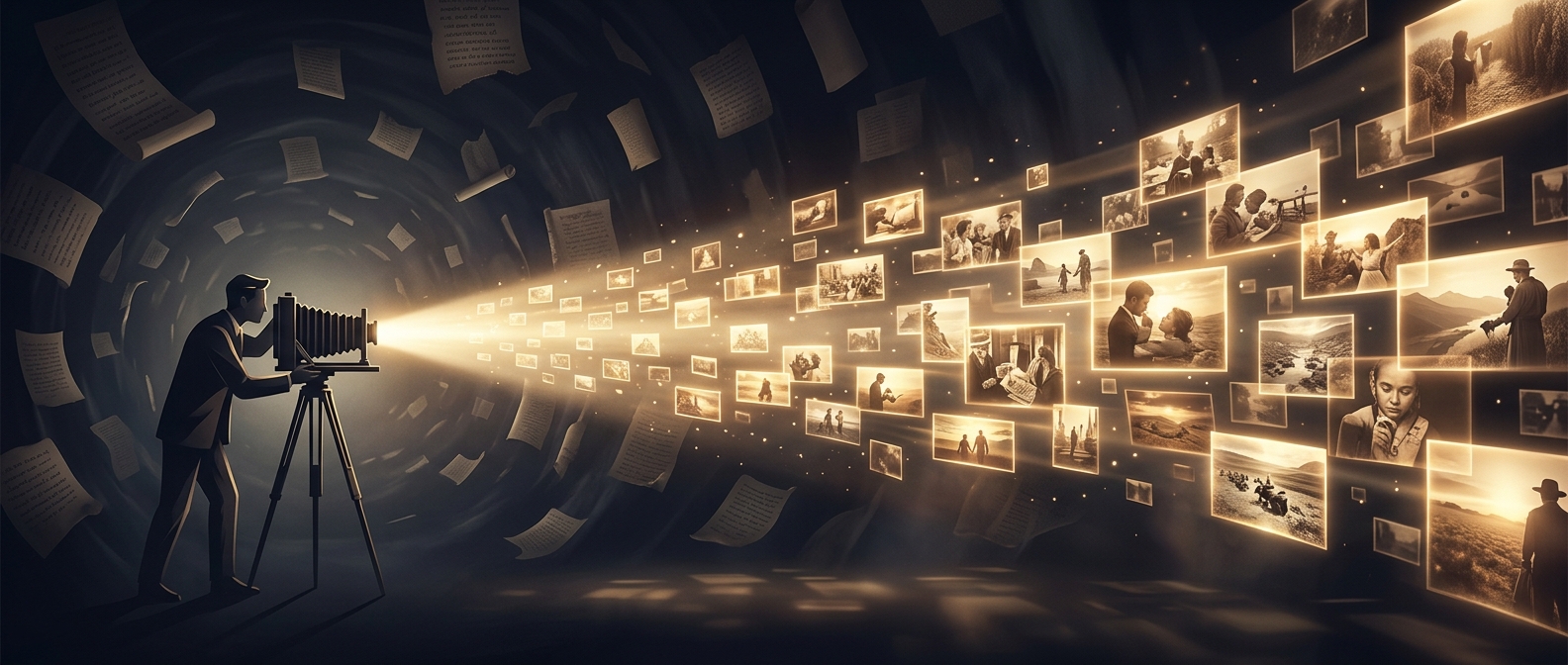
Before photography, a painted portrait or landscape was one of the few ways to preserve a recognizable image. Making one took time and skill, and the result depended on an artist’s choices. Photography introduced a different tool: light could leave a detailed image on a prepared surface, producing a likeness without the painter’s hand rendering every feature.
That did not make painting obsolete. Early photographs had technical limits, and a camera still needed someone to choose the subject, framing, and moment. But photography increasingly handled the task of recording appearances, weakening painting’s role as the most direct route to visual likeness.
Painting Could Ask a Different Question
Once exact representation was no longer painting’s only obvious purpose, artists could make the picture itself the subject. They could distort forms, simplify a scene, or let color and brushwork carry meaning rather than imitate what an eye or camera might record. Abstract art takes this shift furthest: its forms need not depict recognizable objects at all.
Photography did not single-handedly cause abstraction. Artists pursued new styles for many reasons, and realistic painting continued. The camera changed the competition, not the possibilities. A painter could now offer something a photograph did not automatically provide: a visible record of interpretation, feeling, or deliberate departure from appearances. The shift was less from pictures to no pictures than from copying what was seen to deciding what a picture could do.