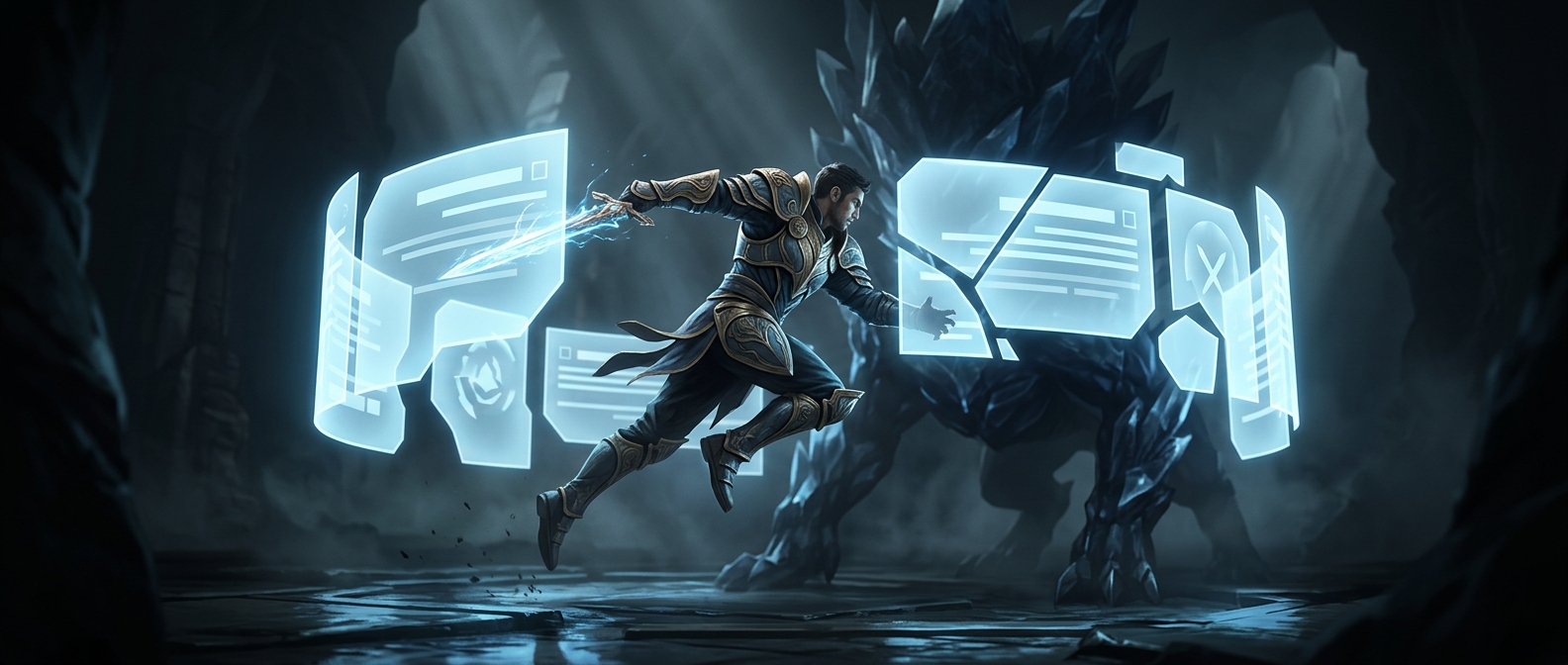
Why Some Games Stop You to Teach the Controls
A tutorial prompt is not just a message placed over the action. In many games, it is part of the game’s control system: the game pauses or limits play until the player performs a required input. That gives the instruction a reliable moment of attention. Instead of asking players to read a hint while enemies move or a timer runs, the game creates a small, controlled lesson.
This can make a new mechanic easier to learn. A prompt can name a button, show its symbol, and wait for the player to try it in the relevant situation. The game can then continue only after the input registers, reducing the chance that someone misses a crucial action and becomes stuck later.
The Cost of Teaching Everyone the Same Way
The same safeguard is blunt when a player already knows the control. The game generally cannot tell whether someone has learned the move from an earlier game, a previous attempt, or simply the on-screen explanation. It presents the lesson to everyone, so experienced players pay the interruption cost too.
Designers face a tradeoff: make instructions optional and risk some players missing them, or make them mandatory and interrupt players who need no help. The choice also depends on what happens if a lesson is skipped. If a move is essential to progress, the game may insist on teaching it before the player reaches a point where not knowing it would matter.
A well-timed prompt can turn an unfamiliar control into a useful action. But when it freezes play at the wrong moment—or repeats something the player has already mastered—the tutorial’s attempt to prevent confusion becomes a source of friction.