Vienna’s unlikely 1913 neighborhood
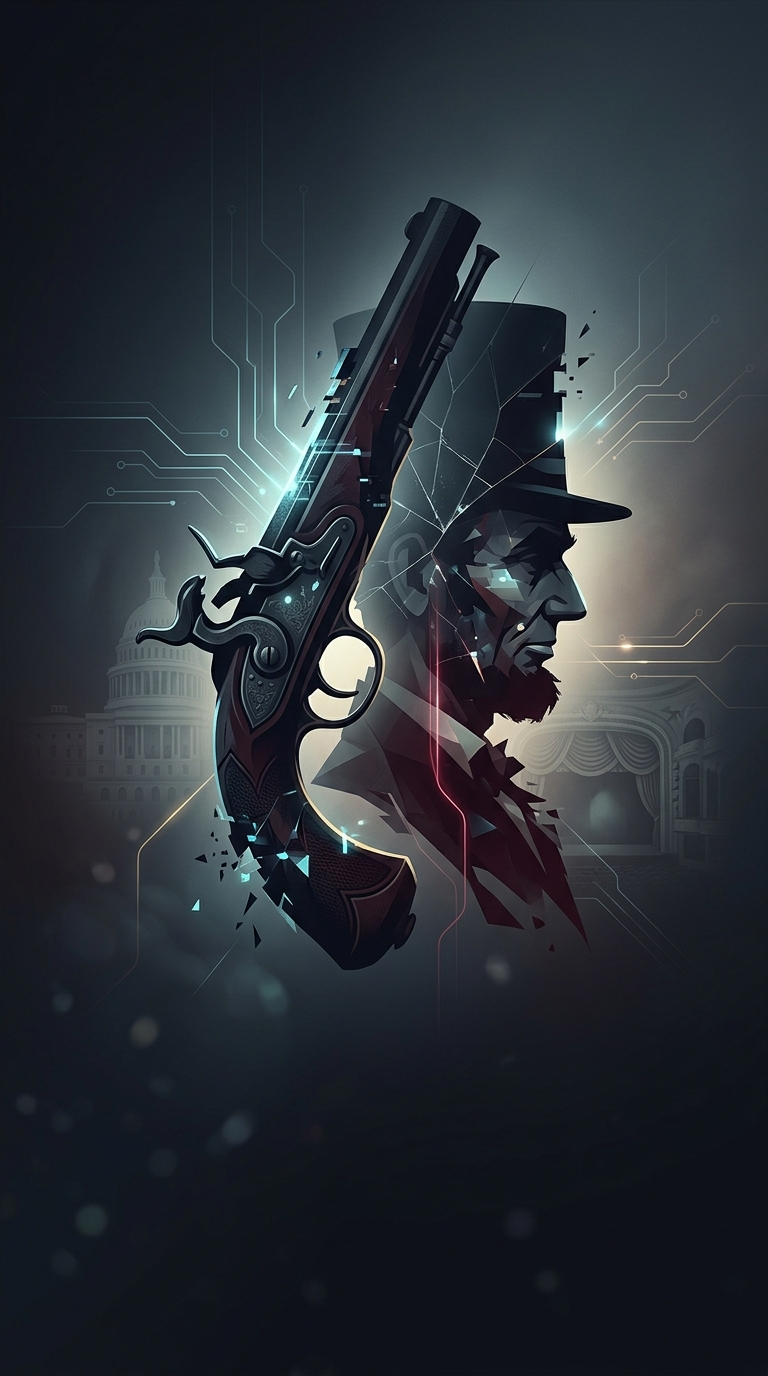
In 1913, Adolf Hitler, Joseph Stalin, Leon Trotsky, Josip Broz Tito, and Sigmund Freud were all in Vienna. The future dictators and revolutionary leaders were not a political circle: they occupied different worlds in a city large enough to keep their paths separate, yet compact enough to make the overlap startling in retrospect.
A city that drew people in
Vienna was the capital of the Austro-Hungarian Empire, a vast, multilingual state whose residents and visitors included workers, exiles, political activists, and artists. Its size and connections offered newcomers places to work, study, organize, or publish. That same concentration of people made it possible for figures who would later shape very different histories to be near one another without knowing one another.
Hitler was then an aspiring artist living precariously in the city. Stalin passed through during a clandestine political mission and wrote there. Trotsky was an established socialist exile, while Freud practiced and developed his influential ideas about the mind. Tito, still a young metalworker, was among the many workers moving through the imperial capital.
Proximity is not a meeting
The coincidence is powerful because later history makes these lives seem destined to intersect. But sharing a city does not mean sharing a room, a conversation, or a cause. Their Vienna years belonged to different schedules and social networks; the striking fact is the geographical convergence, not a documented gathering.
A few years later, war and revolution would help propel several of them onto the world stage. In 1913, though, they were simply separate lives unfolding within the same imperial city.