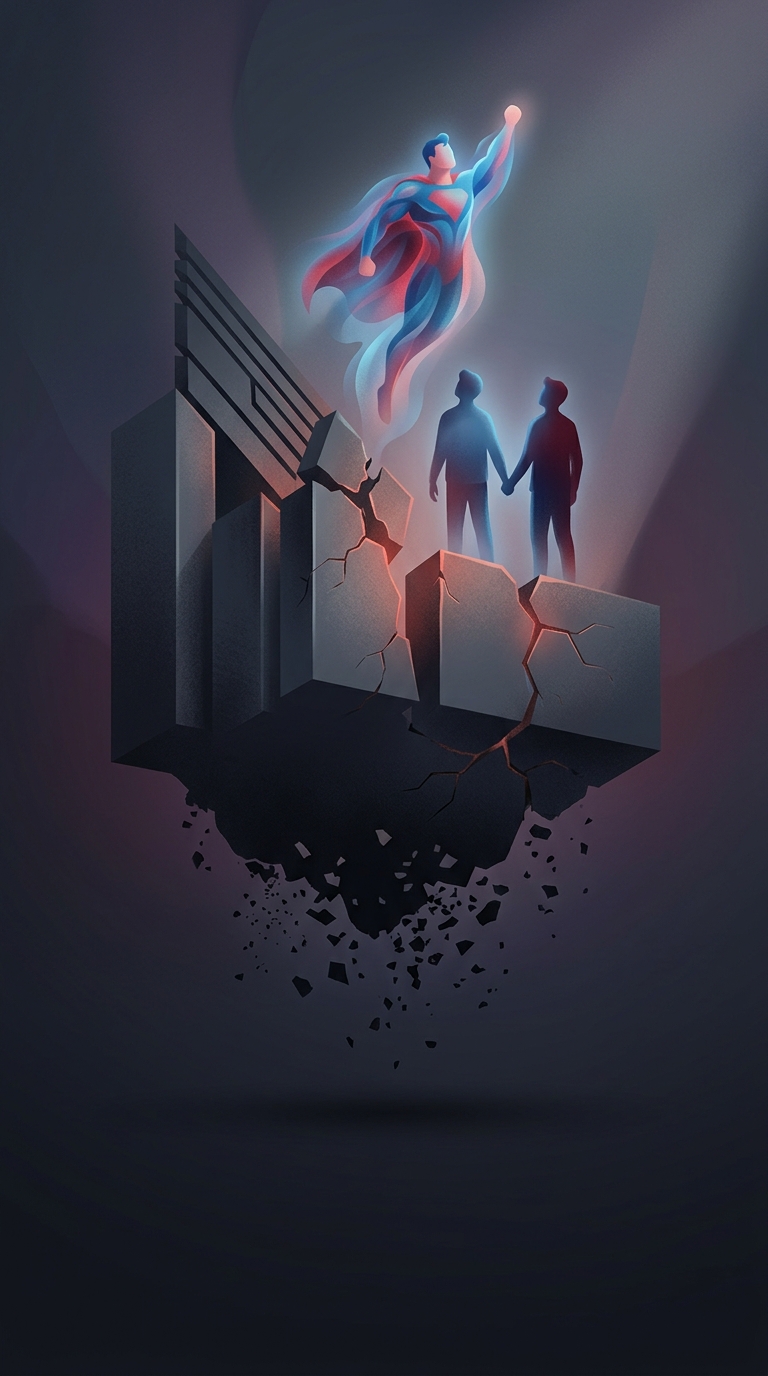
Superman’s creators collided with Nazi racial ideology
The reported offer of honorary “Aryan” status to Superman’s creator has an absurd edge: the Nazi regime’s racial categories were meant to sort people by ancestry, not by what they invented. Jerry Siegel and Joe Shuster, the comic’s creators, were Jewish. In Nazi Germany, that identity could not be erased by professional prestige or an official favor.
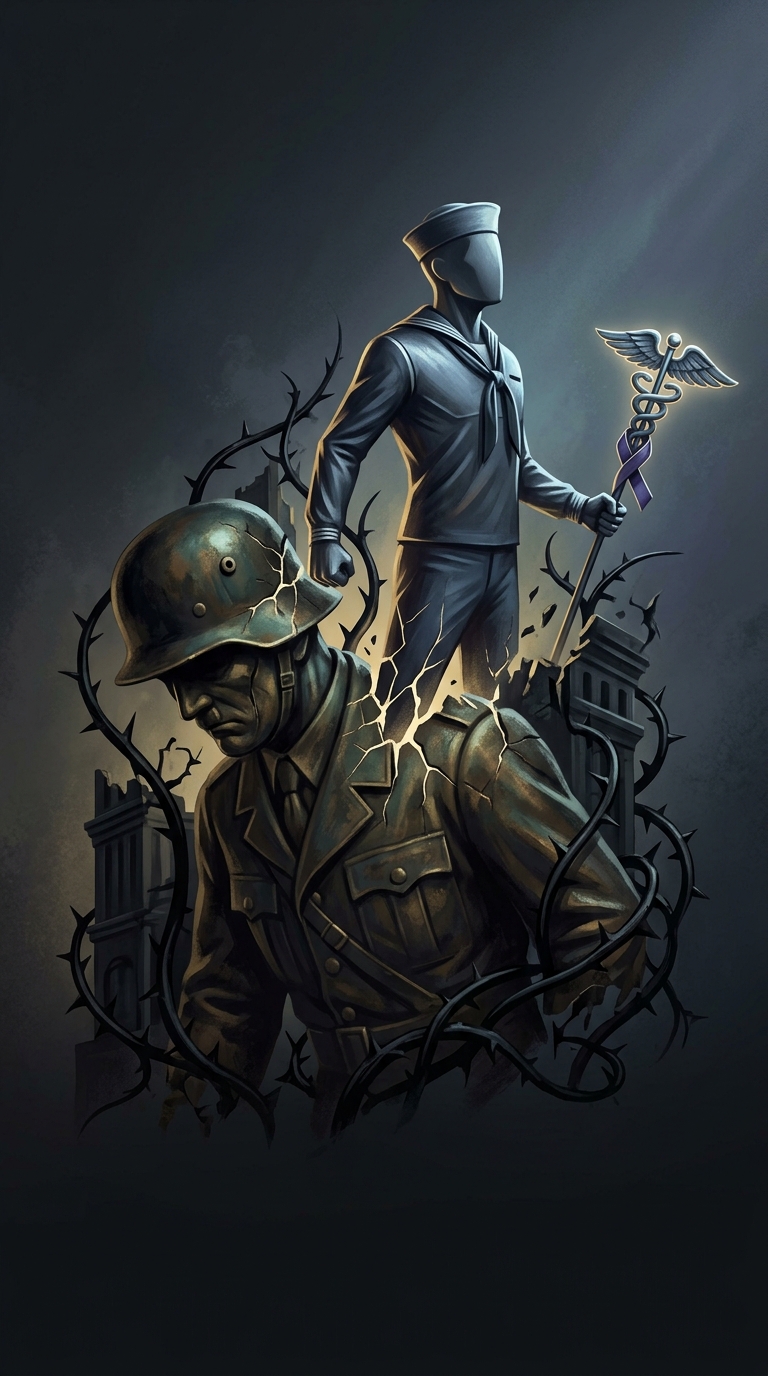
The story also points to a contradiction in how the Nazis treated popular culture. Superman was an American hero whose power and moral certainty could be read as a rebuke to authoritarian rule. Once officials recognized the Jewish identity of the men behind the comics, Nazi authorities banned Superman in Germany. The character could be admired as entertainment only until the people who made him became politically visible.
A comic-book hero becomes a political problem
Superman’s appeal rested on a simple promise: someone stronger than ordinary people would use that strength to protect them. That idea sat uneasily beside a dictatorship built on obedience and racial hierarchy. A comic did not need to be a political tract to become troublesome; its creators’ identities and its hero’s values could give it meaning the regime did not control.
The alleged offer and the later ban make an especially sharp contrast. One suggests an attempt to claim a famous creation by separating it from its makers; the other shows the limits of that strategy. In the end, the Nazi response turned a children’s comic into evidence of a broader conflict over who was allowed to create—and who was allowed to be celebrated.