The Visor Protects Mr. X’s Most Accidental Tell
In Scotland Yard, Mr. X has to consult the board while keeping his route secret. That creates a small but revealing problem: even when a player says nothing, their eyes can point toward the place they are considering—or have just moved to. Other players may notice the glance and use it as an extra clue.
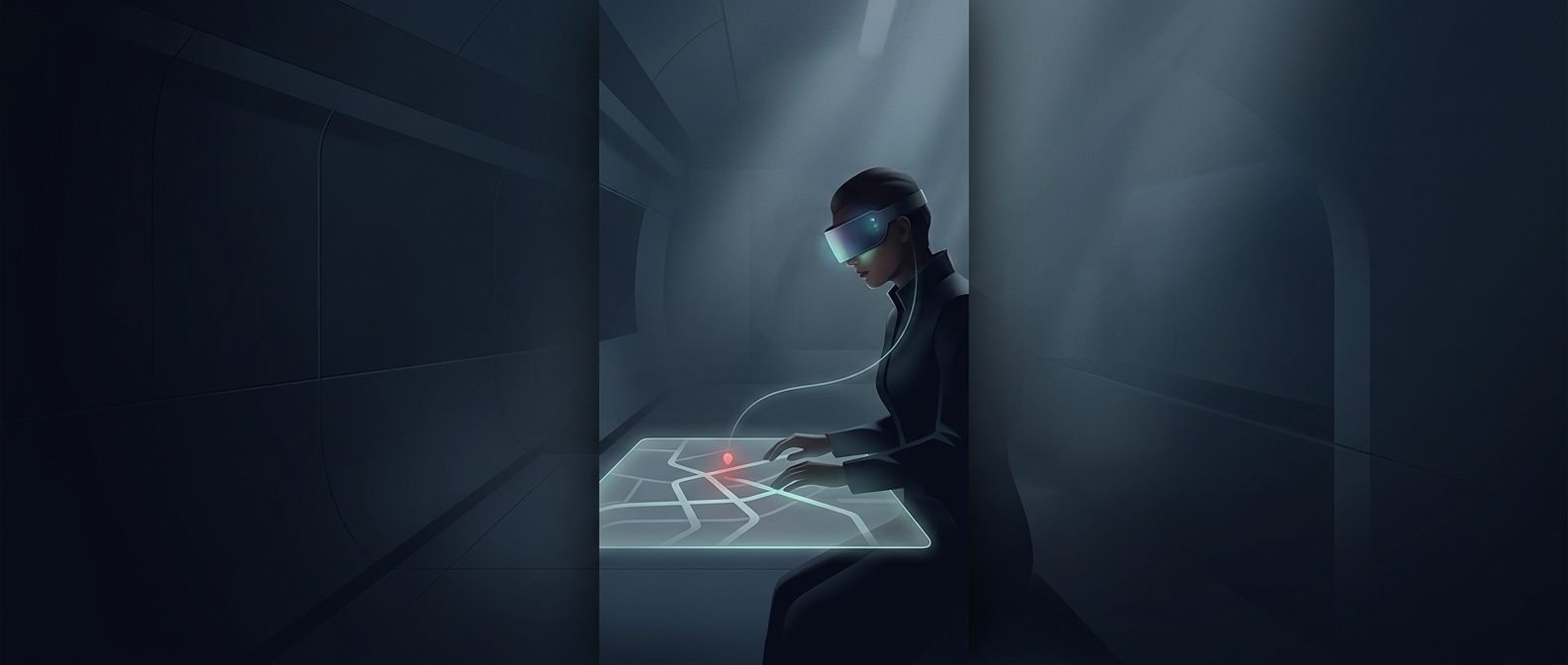
The visor cuts off that signal. It does not hide the board or change how movement works; it limits what opponents can read from Mr. X’s face while he checks his position and plans his next move.
A Simple Fix for an Information-Balance Problem
The game depends on an uneven flow of information: Mr. X knows where he is, while the detectives try to infer it from the clues the rules provide. If the detectives can also study his gaze, their deductions gain an unintended shortcut. The visor keeps their attention on the game’s designed clues rather than on tiny movements of the player’s eyes.
That makes the cardboard accessory part of the game’s design, not just a costume. It lets Mr. X handle the practical task of tracking a hidden route without accidentally broadcasting it—one small barrier between a secret on the board and a tell on the player’s face.