A different kind of arcade invitation
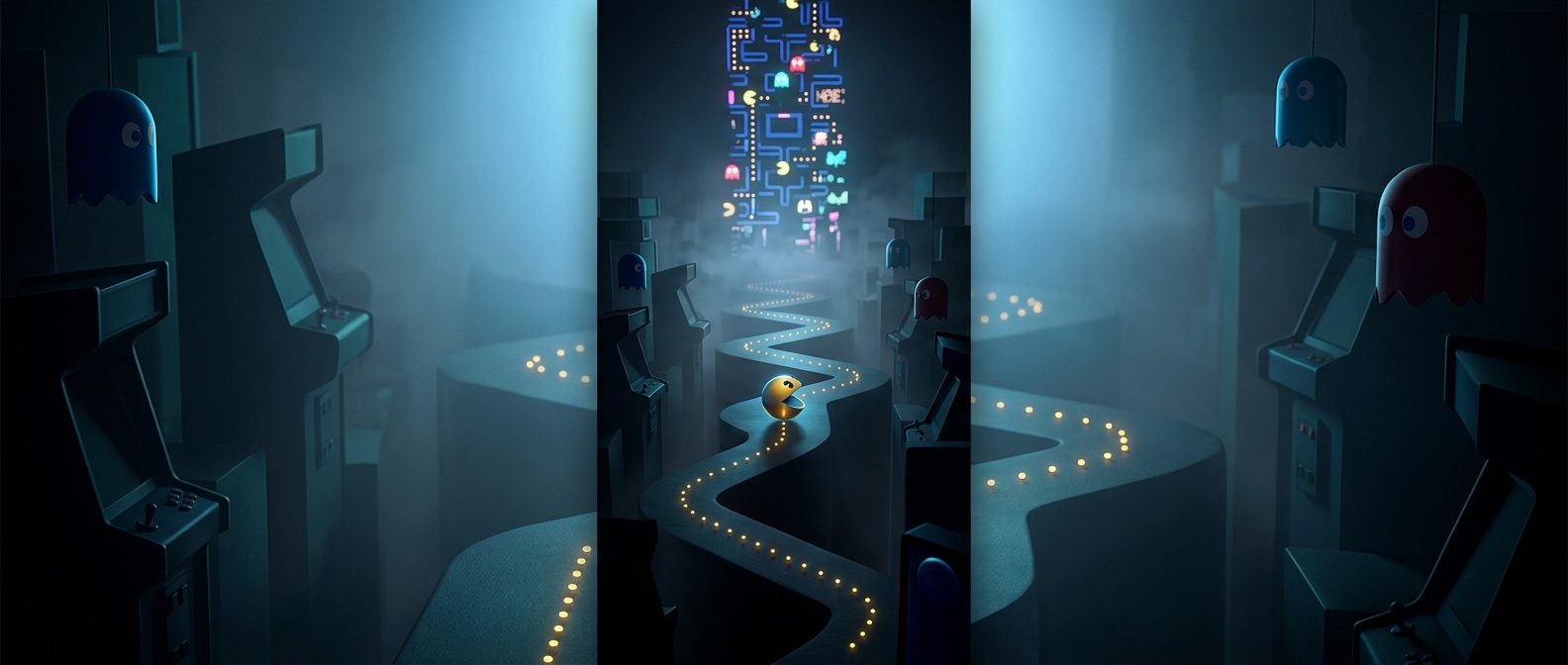
In the late 1970s, arcade screens were often filled with space battles and target shooting. Pac-Man offered a different premise: guide a round, bright character through a maze, eating dots while avoiding pursuers. Its designer, Toru Iwatani, wanted a game that could appeal beyond the young men who made up much of the arcade audience, including women.
The change was not just cosmetic. Food and eating gave the game an instantly legible goal, while its cheerful look softened the threatening feel common to shooters. A player did not need to imagine piloting a weapon or mastering a complicated story; the task was visible on the screen from the first moment.
Cute on the surface, tense underneath
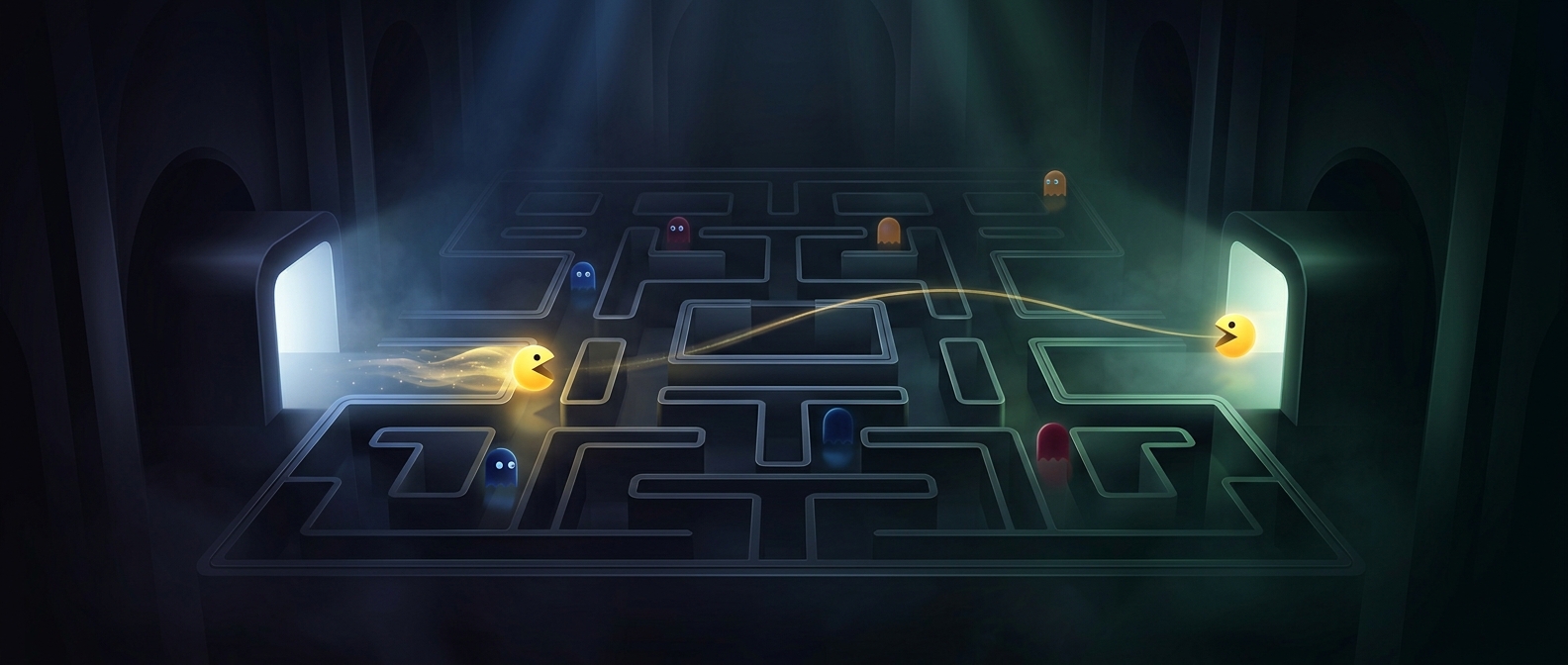
Pac-Man’s simplicity concealed a carefully balanced chase. The maze gave players routes to learn, and the ghosts made every turn feel consequential. Eating a power pellet temporarily let Pac-Man chase them instead, turning danger into opportunity. That brief reversal made the game approachable without making it passive: players still had to read the maze, time their moves, and decide when to take a risk.
This combination helped make the game attractive to people who might not have been drawn to arcade combat. Its design broadened the invitation, rather than requiring players to accept the genre’s usual fantasy first.
A wider audience changed the arcade floor
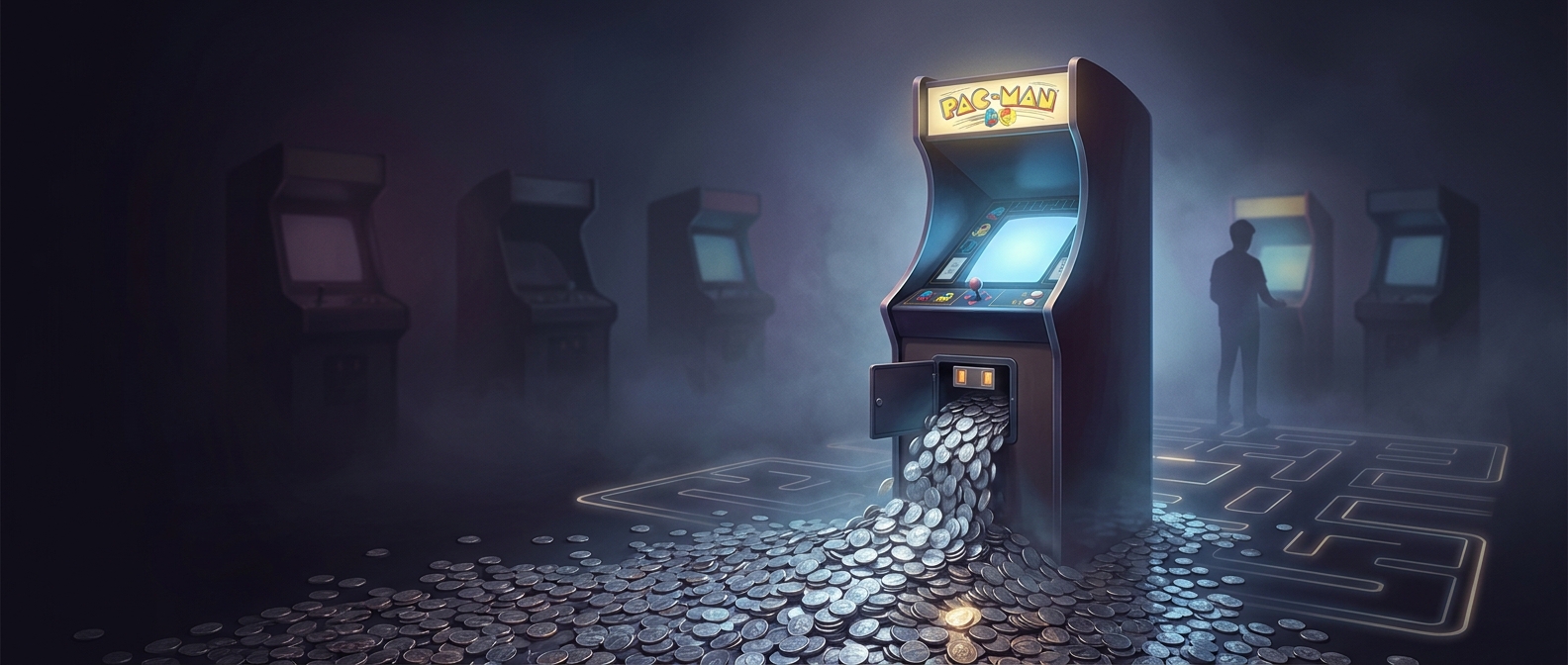
Pac-Man became a major hit, and its popularity showed that arcade games did not have to rely on shooting to hold attention. Its influence was visible in the character-led games and merchandise that followed. The important shift was not that every woman suddenly became an arcade player; it was that a game built around a familiar, playful action gave more people a reason to step up to the machine.