A maze built for one more try
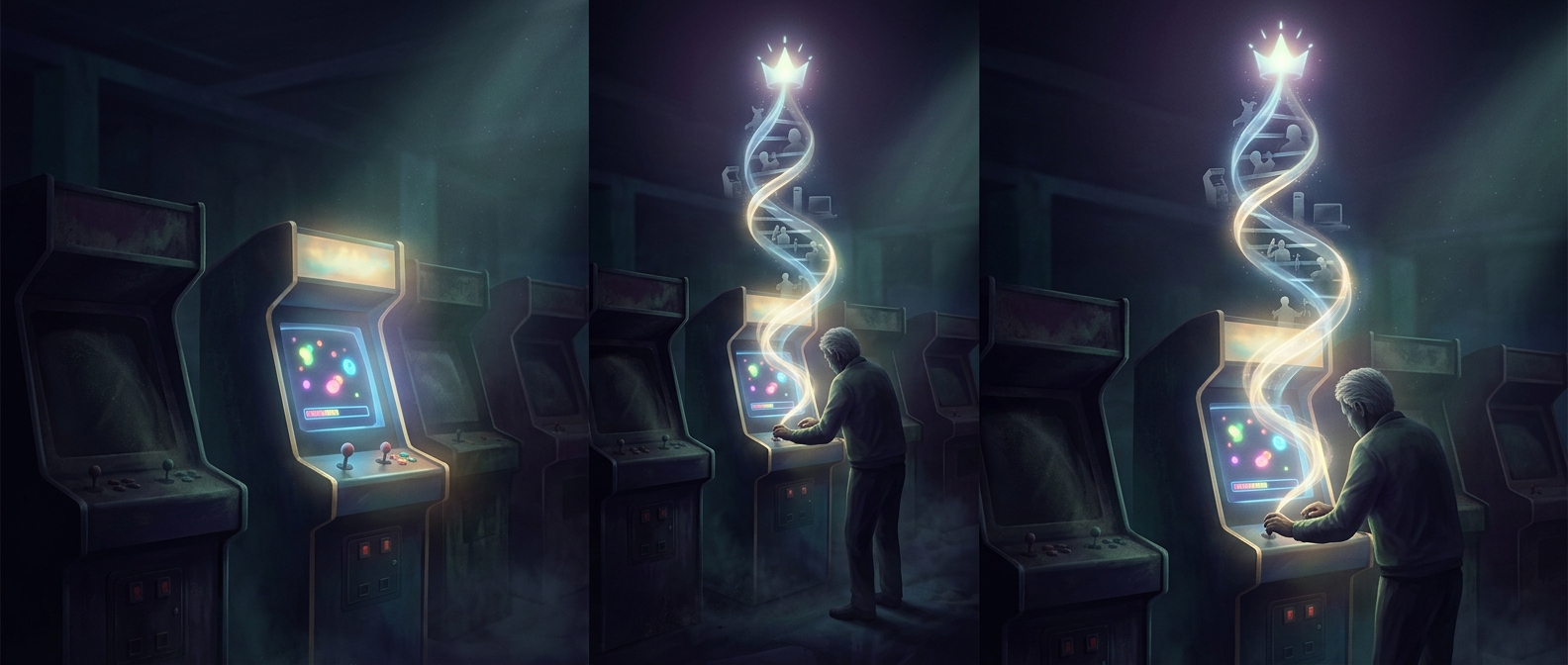
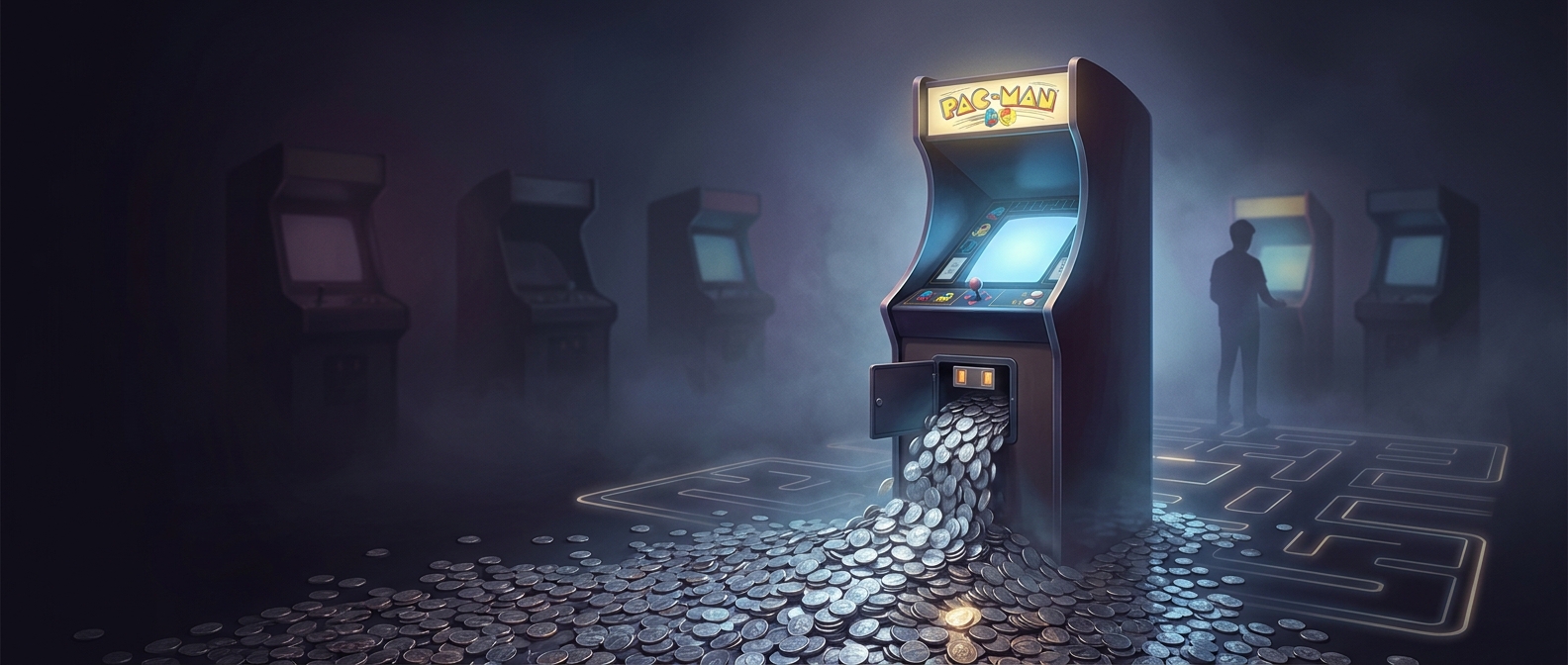
Pac-Man’s arcade success came from a simple loop with a sharp edge: eat the dots, avoid the ghosts, and start over when caught. A quarter bought an attempt, not a lasting copy of the game. That made each cabinet a small business: it earned money when players chose to play, and a compelling game could keep the coins coming through repeated short sessions.
The design made those sessions easy to enter. Players could understand the goal at a glance, but staying alive required timing, route choices, and attention to the ghosts’ changing positions. A mistake cost a life without erasing the appeal of trying again. That balance—immediate comprehension, room to improve, and frequent chances to continue—helped turn brief encounters into repeat play.
Why the money mattered beyond the cabinet
Arcade operators had a practical reason to favor games that held attention: a machine earning steadily could justify the floor space it occupied. Pac-Man also reached people who were less drawn to the space-combat themes common in arcades, widening its potential audience. More kinds of players meant more opportunities for a cabinet to earn.
Its earnings came in a stream of small payments, while a movie’s box-office total came from ticket sales across theaters and showings. Those are different business models, so comparisons capture the scale of Pac-Man’s popularity more than a like-for-like measure of success. The striking part is the mechanism: a maze simple enough to learn in seconds could persuade players to pay for another attempt, one coin at a time.