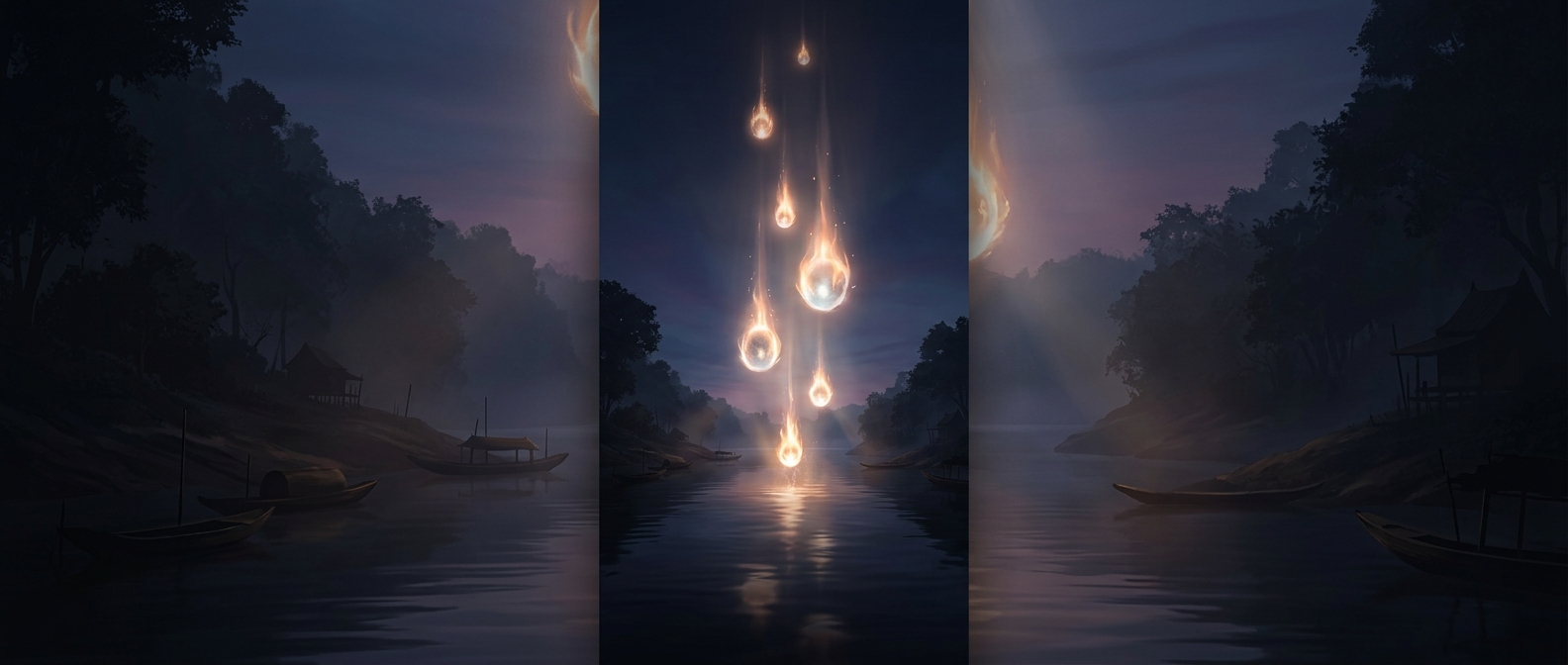
How an invisible grid becomes a map of power
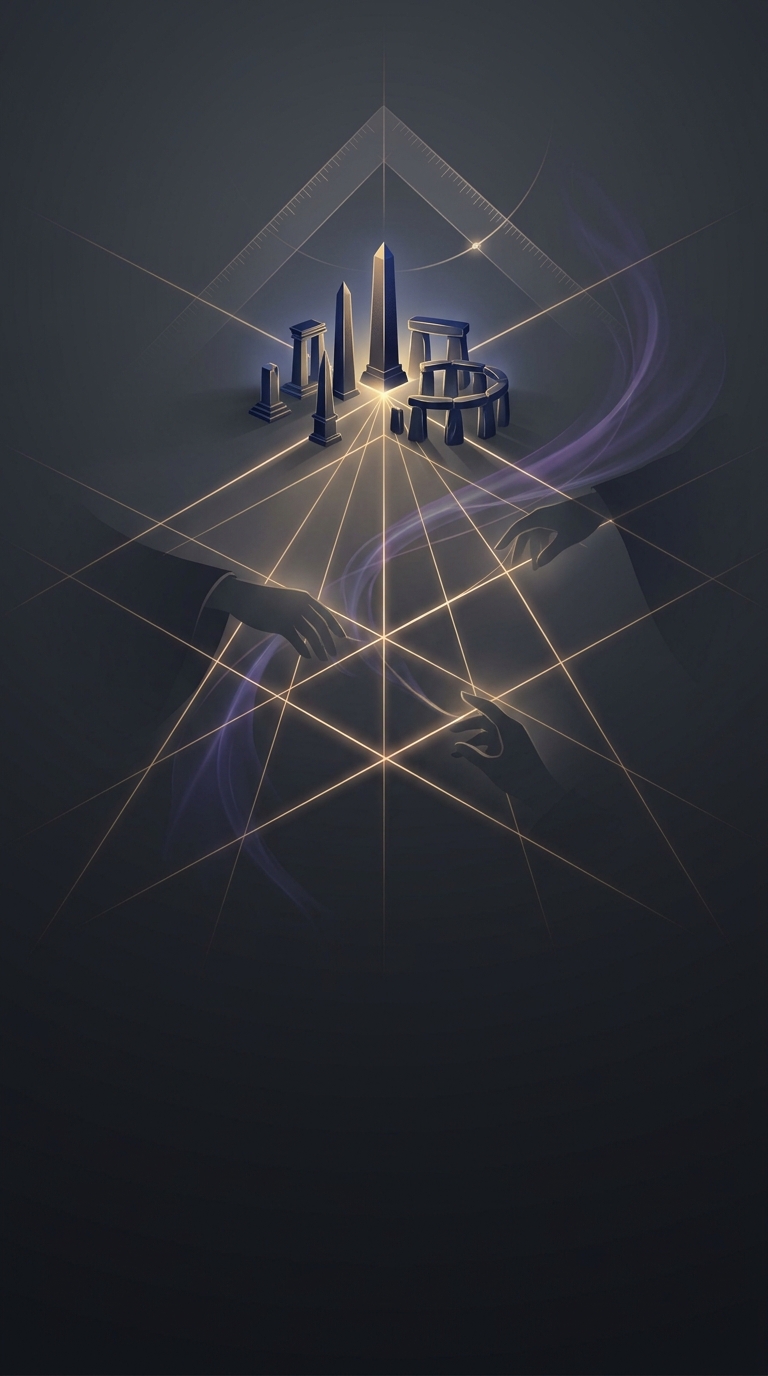
The idea behind Earth’s supposed vortexes is that invisible lines connect significant places, and that their crossings concentrate unusual energy. The lines are not usually treated as features that can be seen like roads or measured like magnetic fields. They are an interpretive map: a way to connect distant landmarks and assign special meaning to particular locations.
That distinction matters. A place can be sacred, striking, or historically important without evidence that invisible lines meet there or produce a physical force. In vortex traditions, however, the map offers a reason why one location might feel more potent than its surroundings.
Why visitors may feel transformed
People often arrive at these sites already expecting a meaningful encounter. The setting may be quiet, dramatic, or unfamiliar; visitors may pause, meditate, or take part in a personal ritual. Attention shifts inward, and ordinary sensations—calm, awe, emotion—can take on a larger significance. The experience can be genuinely powerful to the person having it, even when it does not establish that a hidden energy field caused it.
The grid therefore works as more than a claim about geography. It gives travelers a story for interpreting a place and a framework for seeking change. A visit becomes not just standing at a landmark, but going to a point believed to connect the landscape—and, perhaps, the visitor—to something larger.