From a Coarsegold cabin to a game company
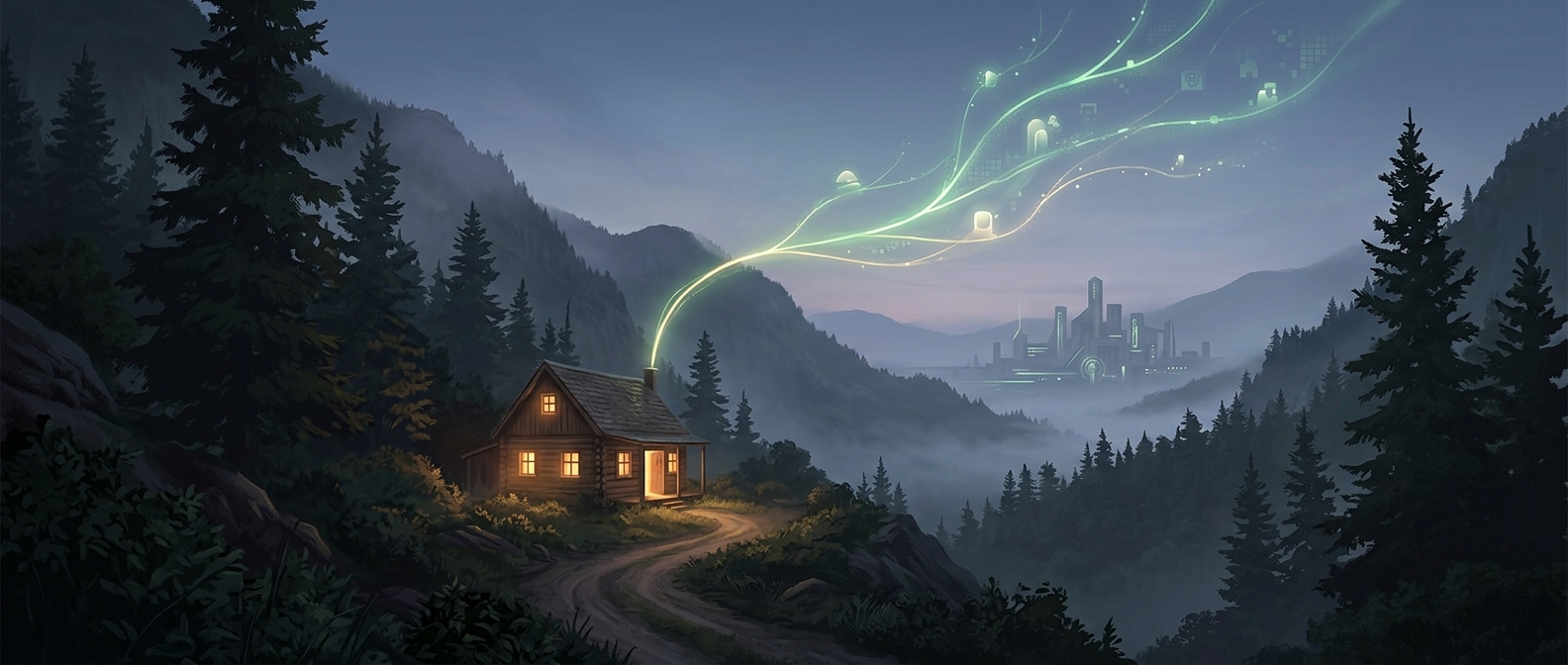
The cabin setting makes Sierra’s origin sound almost like a deliberate retreat from the technology business. The more revealing contrast is practical: Ken and Roberta Williams were building computer games in a small California town, far from the image of a large studio with a full production staff. The company they started there was called On-Line Systems; its later name, Sierra, came from the mountain range nearby.
A new kind of adventure game
One of the company’s early landmarks was Mystery House, an adventure game designed by Roberta Williams and programmed by Ken. At the time, many computer adventures relied on written descriptions and typed commands. Mystery House added pictures to the experience: the player could see scenes from the house while working through the mystery. The images were simple, constrained by the computers of the period, but they changed how an adventure could communicate a place and its clues.
That shift depended on a partnership with distinct jobs. Roberta shaped the story and the player’s experience; Ken handled the programming that made those ideas run on a home computer. Their work helped establish a model in which narrative, visual design, and software engineering had to fit together within tight technical limits.
A local name with a lasting reach
Renaming On-Line Systems as Sierra linked the company to the landscape around its beginnings. The name traveled much farther than the cabin: Sierra became associated with computer adventures that made exploration feel visual and personal. The striking part of the origin is how modest the starting point was—a small operation in Coarsegold helping turn home computers into places players could investigate.