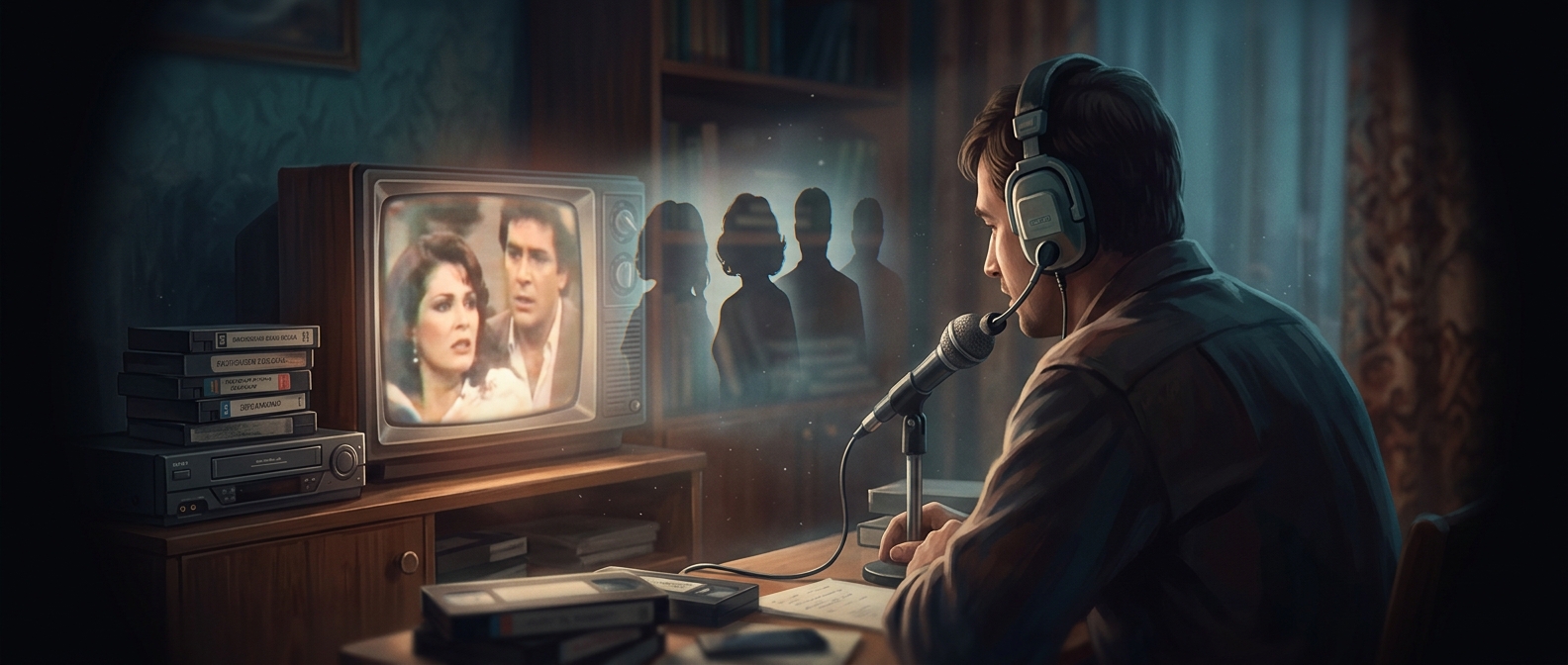
A story still being written as it airs
In a traditional telenovela, the gap between filming and broadcast can be short enough for audience reaction to reach the people making upcoming episodes. That changes the usual relationship between a finished story and its viewers: the plot is not always a sealed package delivered unchanged from beginning to end.
Ratings offer one kind of signal. They can suggest that viewers are responding to a couple, a villain, or a particular conflict. Writers and producers may then give that thread more room—or steer attention elsewhere—while episodes are still in production. The point is not that a ratings number dictates every scene, but that the production schedule can leave room to react.
Flexibility has a cost
A late change has to fit a story that is already moving. Writers must preserve continuity, actors need revised material, and scenes may already be planned or filmed. A character who disappears abruptly might be written out through a sudden departure, a new danger, or another plot turn; the explanation has to work with what the audience has already seen.
That makes adaptation different from simply changing the ending. Producers are balancing audience response against the practical limits of making episodes on a deadline. A storyline can be adjusted, but every change creates consequences for other characters and scenes.
The audience becomes part of the feedback loop
This closeness between broadcast and production can make a telenovela feel especially responsive. A popular character may remain central; a less successful thread may shrink or vanish. The story’s flexibility is built into its production timing: viewers are watching a narrative whose later parts may still be taking shape, rather than one completed far in advance.