Why a Digital Mistake Needs a Real-Sounding Crowd
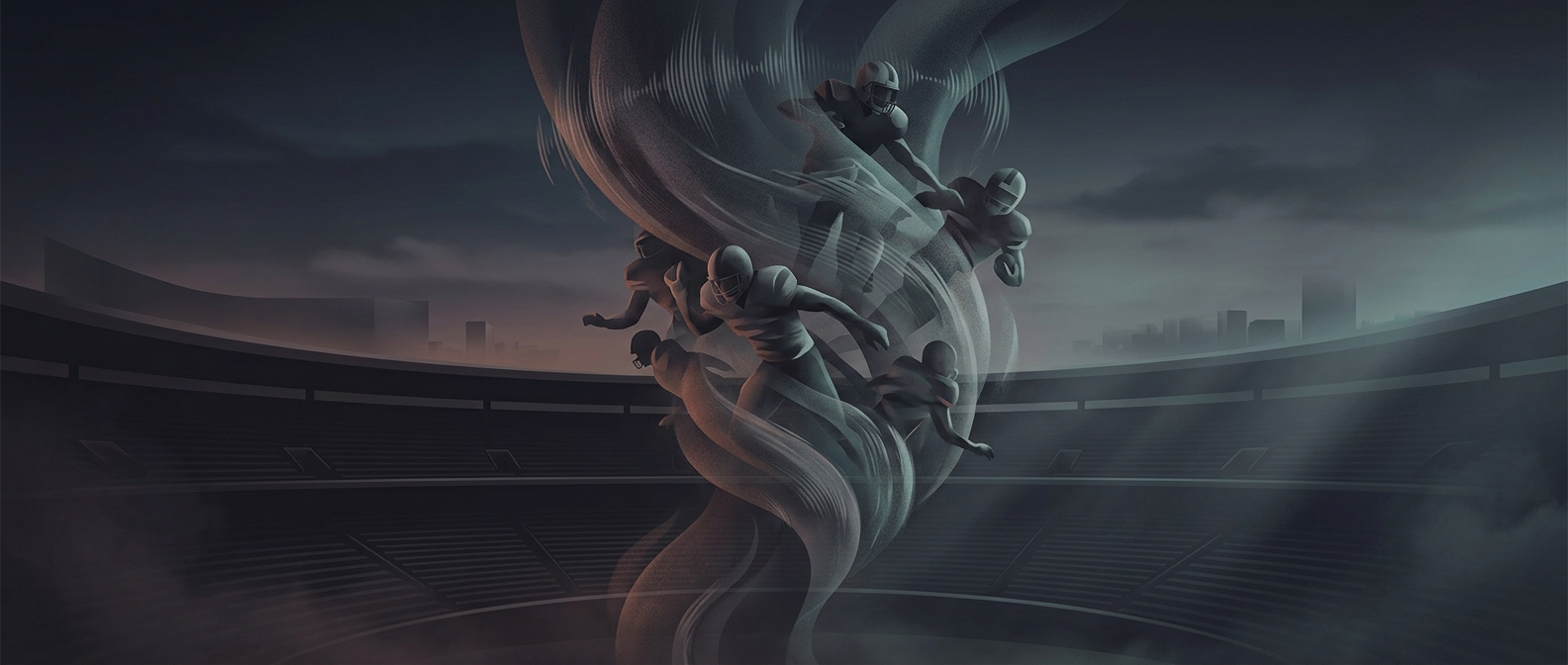
A jeer in a football game does more than fill silence: it tells the player how the crowd is reacting. If the sound feels synthetic or repeats too obviously, the stadium can seem less like a place full of people and more like a button being pressed. EA’s use of recorded boos and disgruntled crowd noise gives those reactions the irregular texture of actual spectators.
The recordings also help the sound fit a recognizable moment. When a mistake draws the crowd’s displeasure, a burst of jeering can make the consequence feel immediate—even though the people in the stands are digital. The audio connects an action on the field to a response around it, helping sell the sense that the match is unfolding in front of an audience.
Turning Recordings Into a Game Reaction
Recorded crowd noise is raw material, not a finished reaction. The game has to play it at the right moment and at a useful level: too quietly, and the boos disappear beneath the rest of the stadium sound; too loudly, and they can overwhelm the play. Authentic recordings give designers a more convincing starting point for that balance than a purely fabricated crowd response.
The small detail matters because sports games ask players to read the atmosphere as well as the scoreboard. A mistake followed by a stadium’s disapproval makes the setback feel public—and gives the crowd a role in the drama, not just the background.