Recording a toddler who wouldn’t sit still
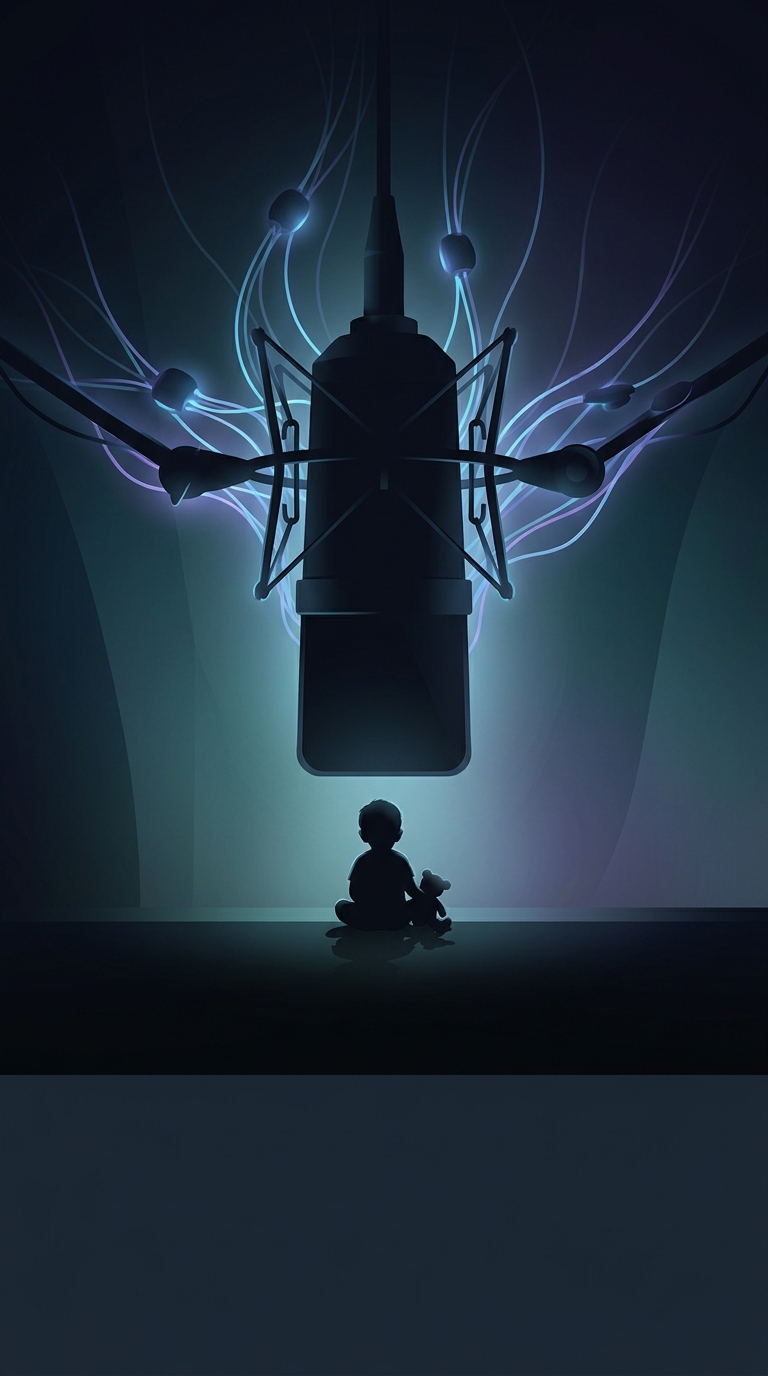
Boo’s voice came from Mary Gibbs, a very young child—not an adult performer imitating toddler speech. That gave the filmmakers a problem familiar to anyone trying to record a real toddler: she could not be expected to stay in a booth, repeat a line on cue, or deliver the same sound twice.
So the recording process adapted to her rather than forcing her into a conventional session. Crew members followed Gibbs around Pixar with a microphone, capturing her speech, squeals, giggles, and other spontaneous reactions as she played. The production could then select usable moments from those recordings and fit them into the film.
Why the performance feels unforced
A scripted performance can sound like a child carefully reciting words. Gibbs’s off-the-cuff sounds had the irregular timing and shifting energy of a toddler responding in the moment. That gave Boo’s reactions a lived-in quality, even though the character’s sounds still had to be chosen and arranged to serve the scenes.
The tradeoff was control: the crew could not simply ask for a perfectly repeated take whenever they wanted one. Instead, the film’s sound team had to work with what a real child happened to give them. Boo’s naturalness came not from a trick of voice acting, but from recording a toddler on toddler terms.