Why rival fans start to look alike
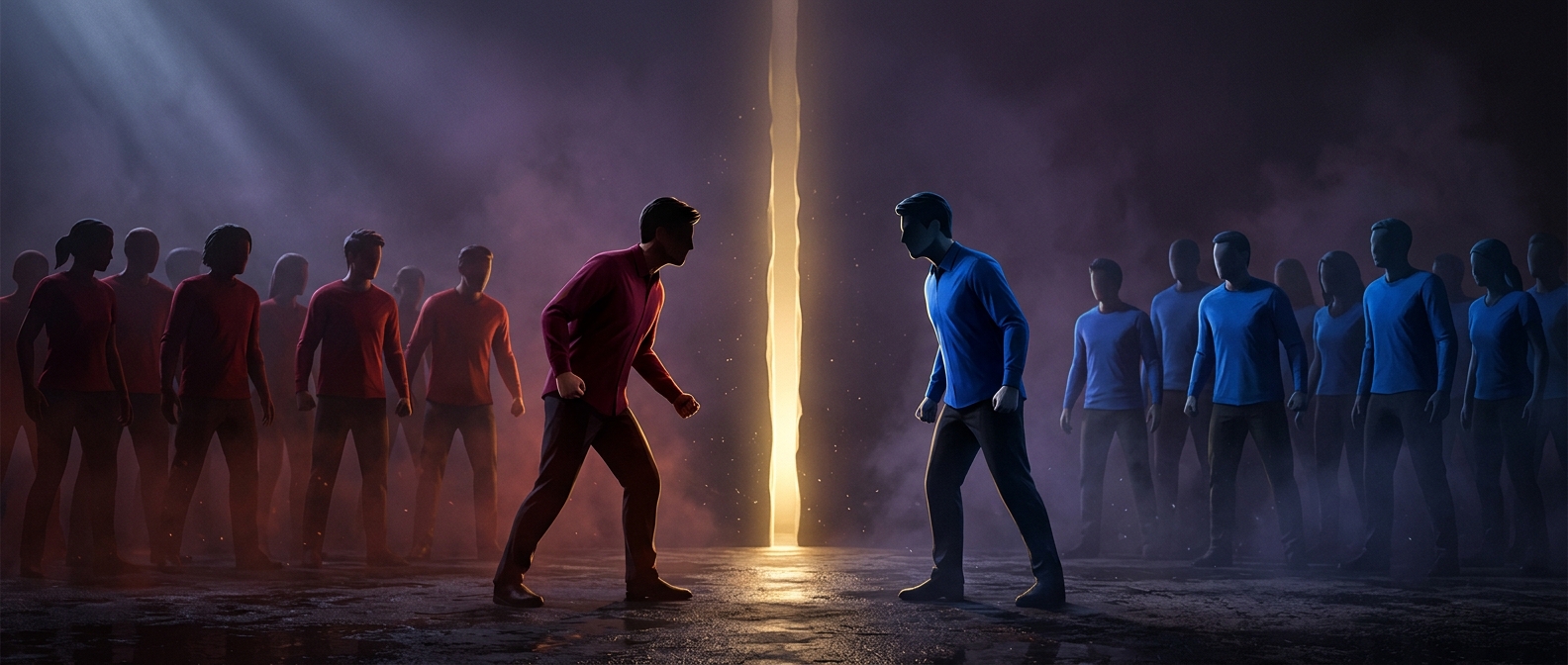
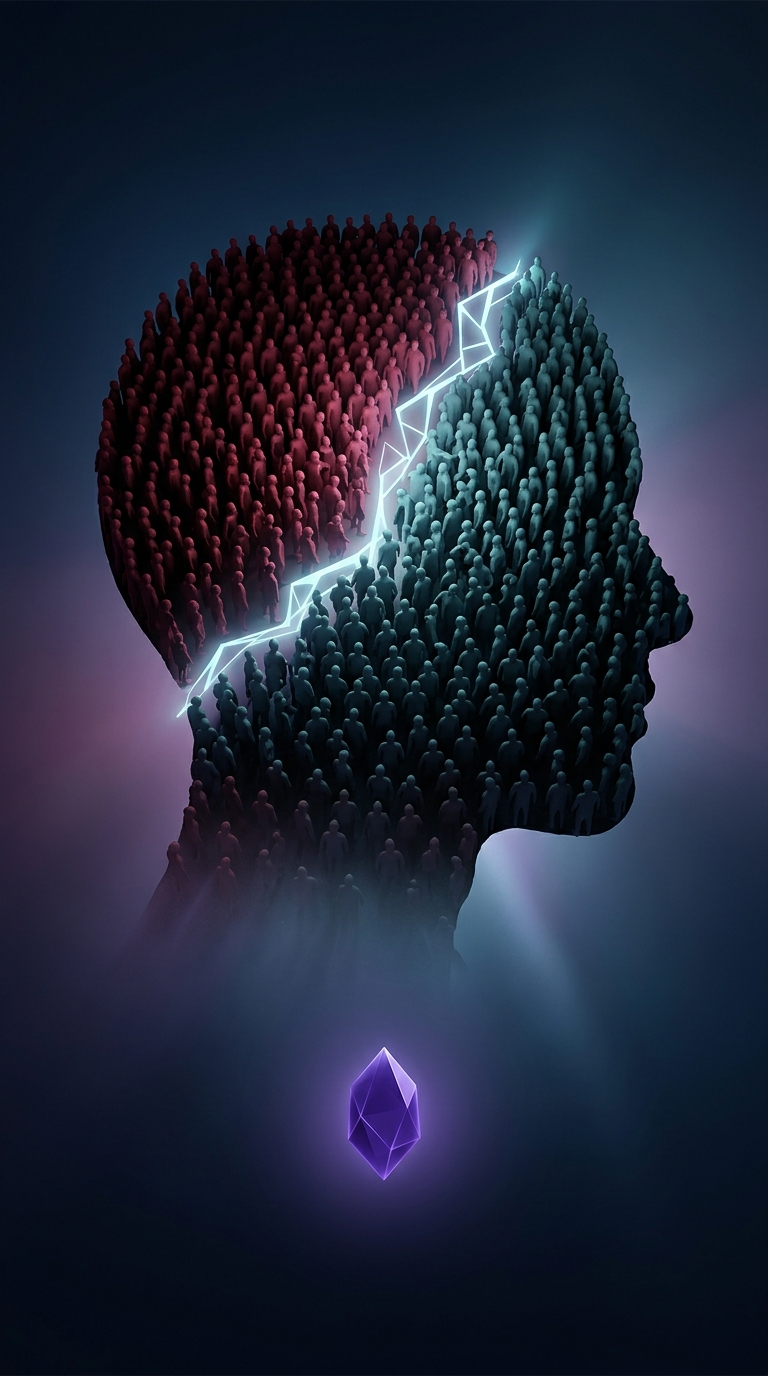
The blindspot is called the outgroup homogeneity effect: people tend to see members of a group they don’t belong to as more alike than members of their own group. In a rivalry, that can make “their fans” seem like one personality type, even when the opposing crowd is made up of people with very different habits and views.
Part of the difference comes from what fans notice. You know your own supporters through friends, family, and familiar faces, so you encounter them as individuals. Opposing supporters are more likely to appear as a crowd—at a game, in a hostile section, or in a clip that highlights a confrontation. The setting supplies a shared label before you learn anything about the people in it.
How one bad encounter becomes a group trait
A loud insult or obnoxious gesture is easy to remember, especially when it comes from a rival. That memorable example can then feel representative: the next rude supporter seems to confirm what you already believe, while quieter or gracious fans draw less attention. This is a form of confirmation bias, the tendency to favor evidence that fits an existing expectation.
The same behavior may also be interpreted differently depending on who does it. A home fan’s shouting can feel like spirited support; a rival’s can feel like proof that the entire opposing crowd is unbearable. The rivalry turns isolated behavior into a story about a whole group. Recognizing the effect does not mean every fan behaves well—it means a few visible fans are poor evidence for what millions of strangers are like.