How group identity can change the meaning of a lie
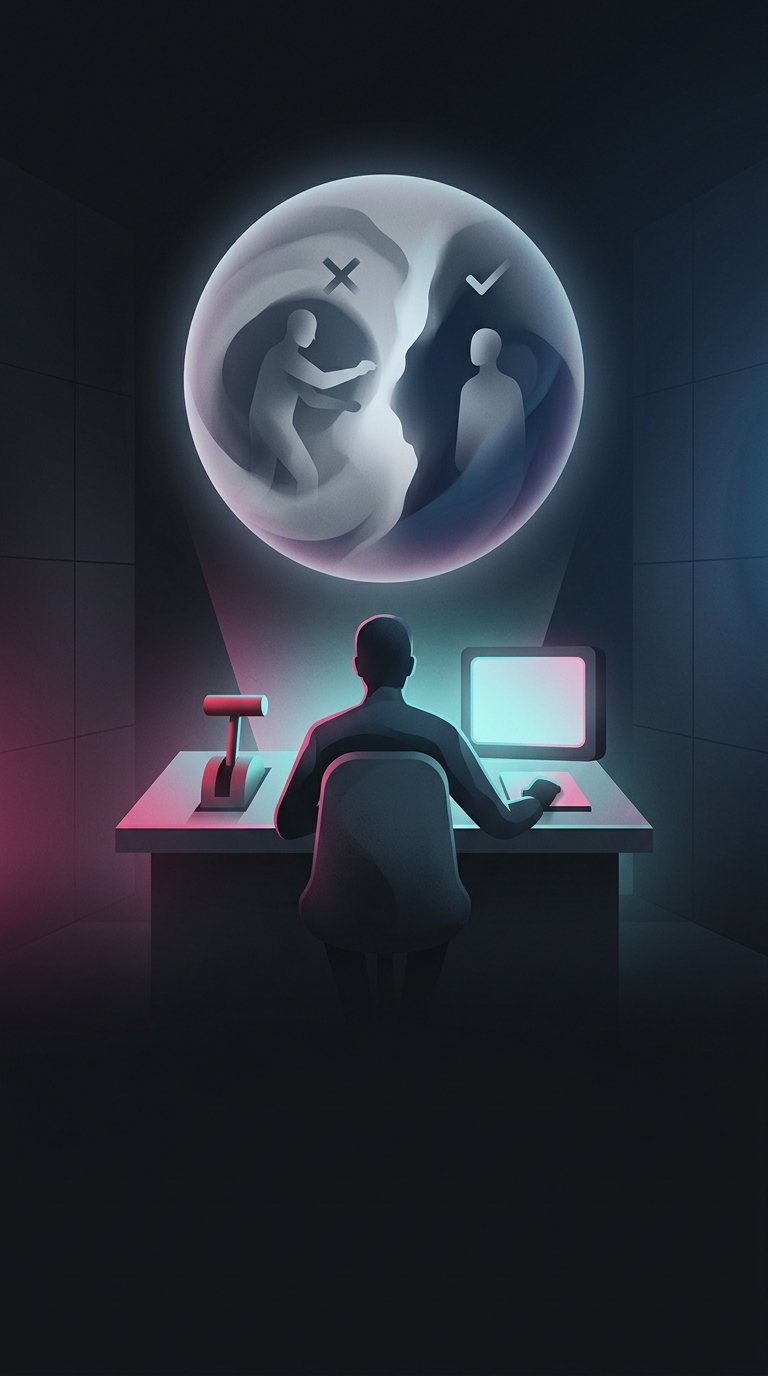
People do not judge every action in isolation. They also ask what it says about the people they belong to—and what it might cost them if their group loses standing. When a group becomes part of someone’s identity, its reputation can feel personal: an accusation against “us” may land like an accusation against “me.”
That shift can make a lie seem less like a violation of honesty and more like an act of defense. The person may focus on the group’s shared goals or on a perceived threat, treating the lie as a necessary way to prevent an unfair outcome. Loyalty supplies the moral framing; it does not make the lie truthful.
How the harm slips out of view
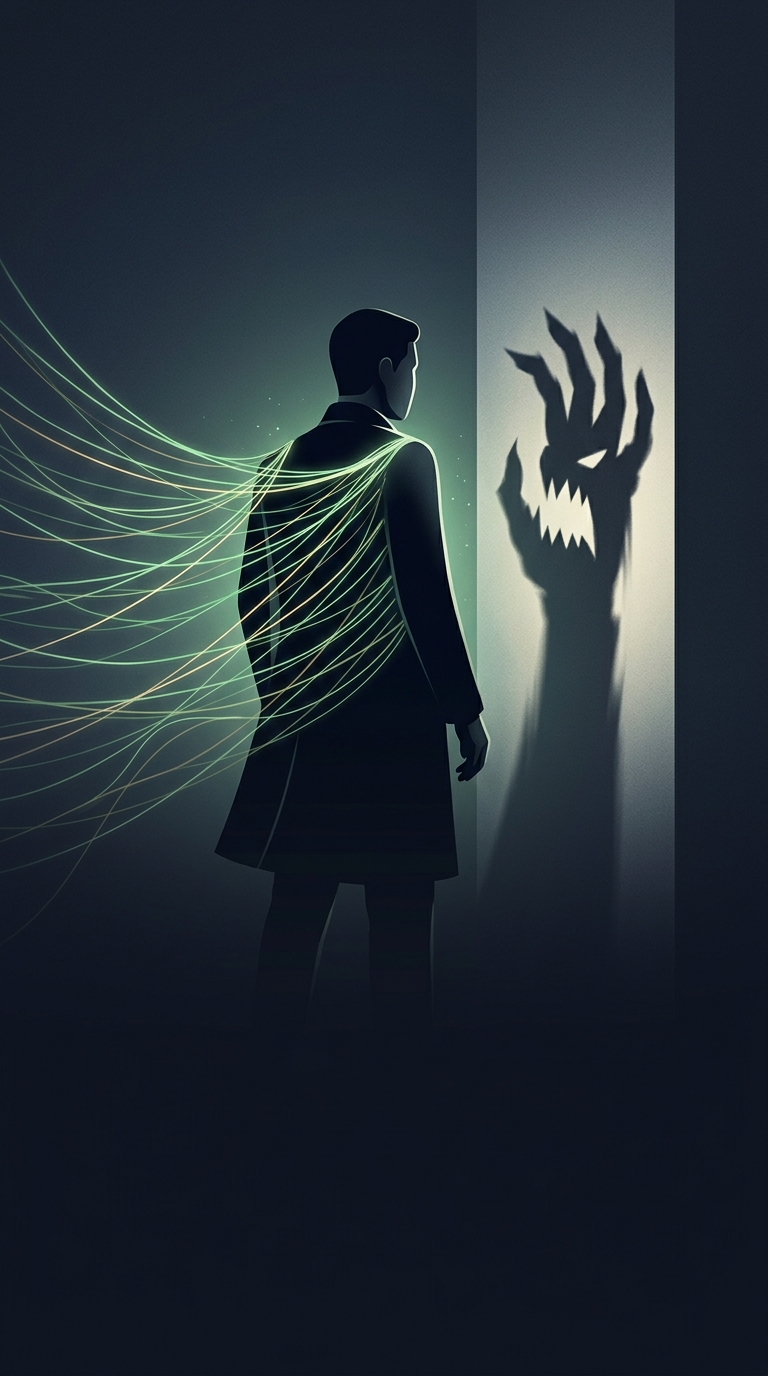
Attention narrows when someone is focused on protecting their side. They may think about a rival’s conduct, the group’s vulnerability, or the consequences of admitting a mistake. The people misled by the lie become less vivid, especially if they are outsiders or are seen as responsible for the conflict. That makes it easier to weigh the lie’s supposed benefit to the group more heavily than the damage to those who rely on accurate information.
This does not require a person to consciously decide, “I am doing something wrong, but I will do it anyway.” They may instead tell themselves that the facts are being distorted by opponents, that the lie is only temporary, or that their group deserves protection. Such explanations can make an act feel consistent with one’s values even when it violates a broader rule of honesty.
Why the same act looks different from outside
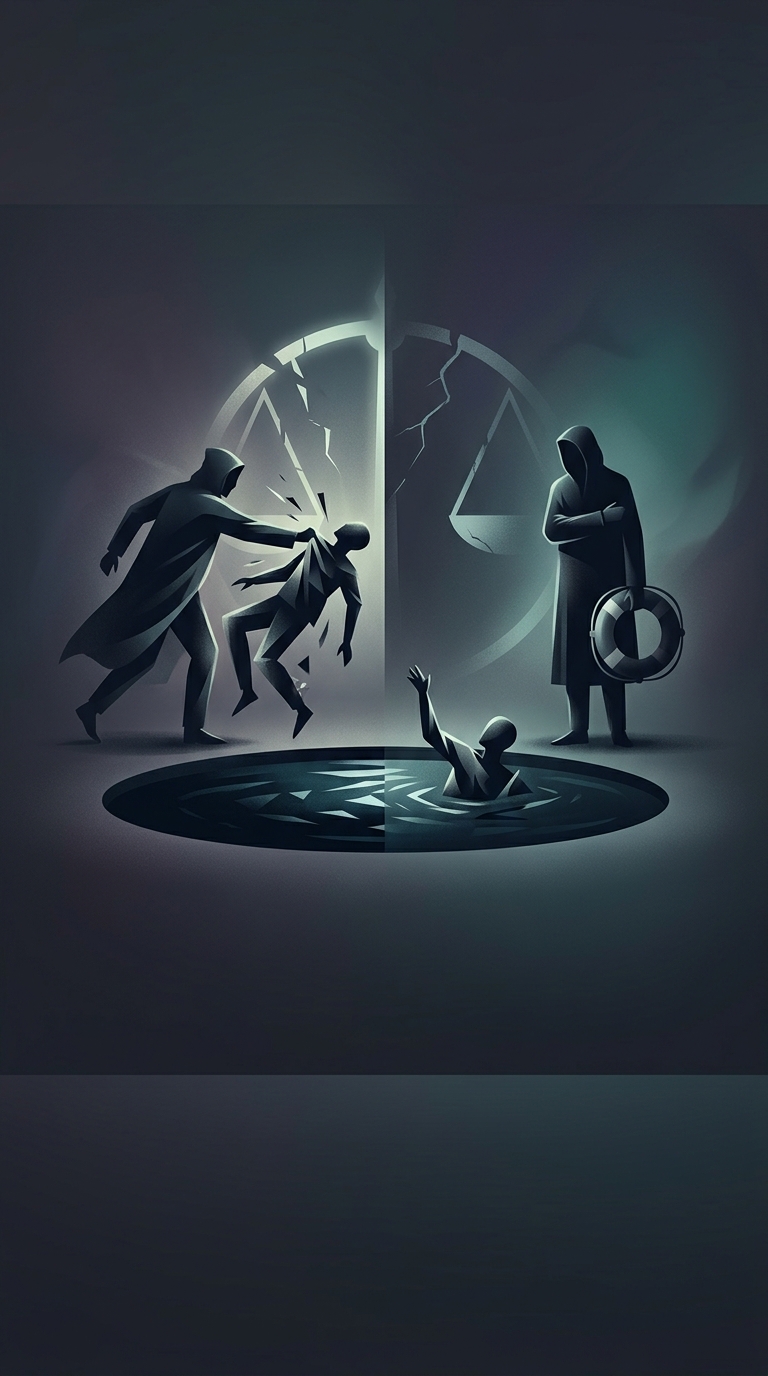
People outside the group may see the deception and its consequences without sharing the defender’s sense of threat or obligation. They are therefore more likely to interpret it as manipulation or favoritism, rather than as service to a cause. The divide is not simply about different facts; it can reflect different answers to the question of whose interests count most.
The practical warning is that sincere conviction is not proof of fair judgment. When a defense of “our side” depends on hiding information, asking who is being kept in the dark—and who pays for that protection—can bring the missing people back into view.