Why Dravet syndrome makes care feel continuous
Dravet syndrome is a rare epilepsy that usually begins in infancy. Seizures can take different forms, and some last long enough to require urgent treatment. Because seizures may be difficult to control fully, families often have to plan not just for routine care but for what to do if one begins and does not stop promptly.
The work between seizures
A seizure’s unpredictability changes ordinary decisions. Caregivers may keep rescue medication and an action plan close, watch for illness or overheating that could trigger a seizure in some children, and coordinate with schools and other caregivers so everyone knows how to respond. These precautions can make outings and handoffs more complicated, even when a child is not actively having a seizure.
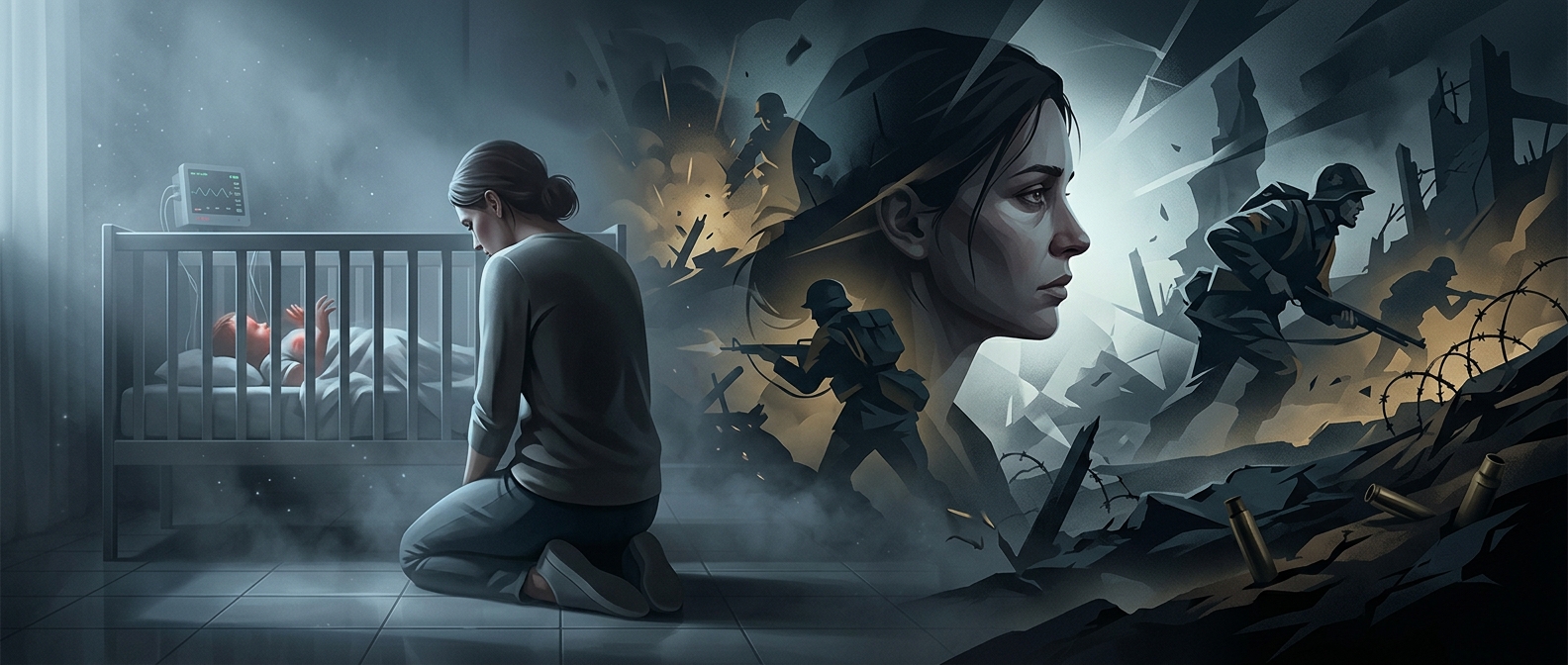
At night, the same uncertainty can turn sleep into monitoring. A parent may wake to check on a child or find it hard to rest deeply, knowing that a prolonged seizure could require quick action. Interrupted sleep then makes the next day’s caregiving harder, while the need to stay prepared remains.
Why the strain can resemble trauma
The burden is not simply the number of seizures. It comes from repeated exposure to frightening emergencies, the responsibility of responding, and limited opportunity to stand down. Comparisons to combat-related strain point to that persistent state of alert—not to identical experiences or effects. For many families, the hard part is that the emergency may end, but readiness cannot be switched off on a schedule.