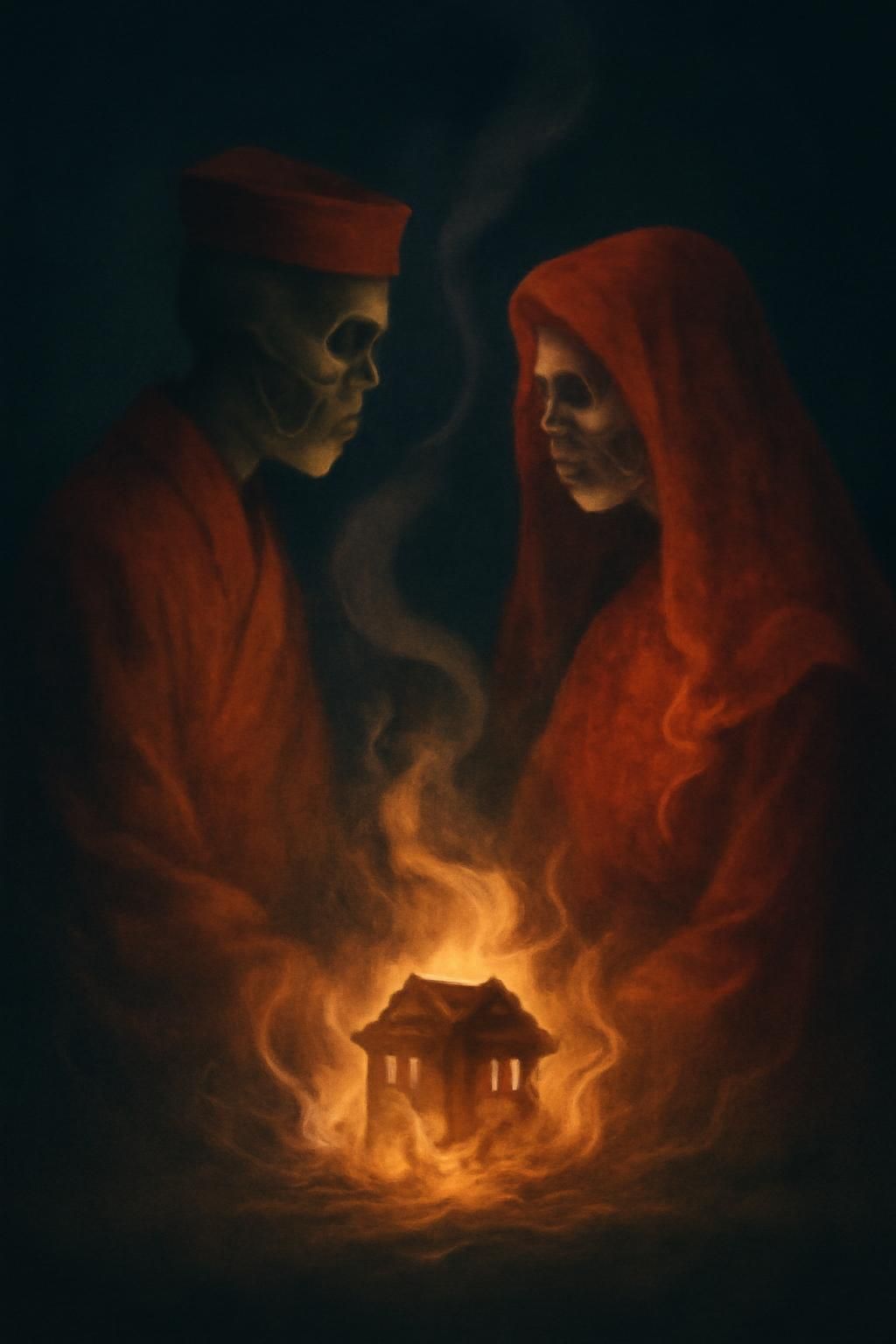
A crooked route for an unwelcome visitor
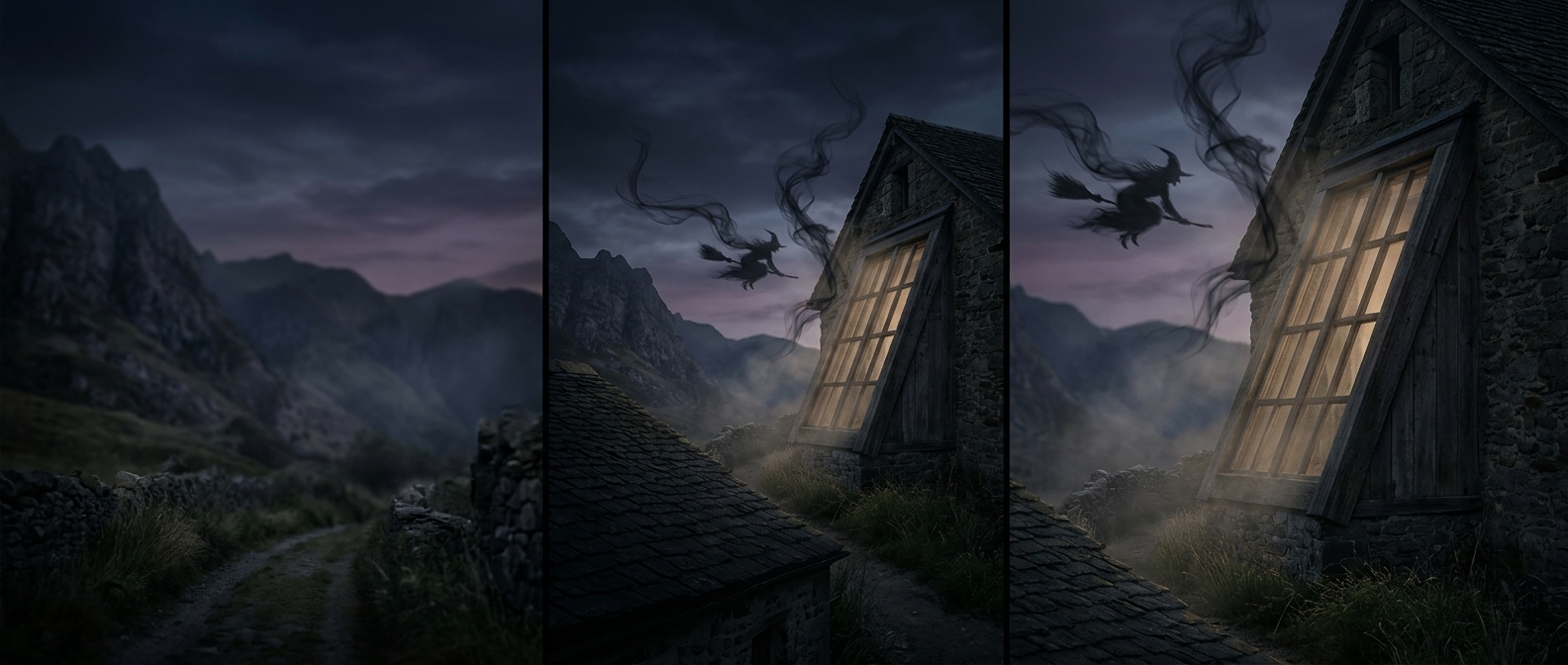
In this rural American folk belief, an angled attic window was more than an unusual building detail: it was imagined as an obstacle. A witch flying toward the house would have to approach through a crooked opening, and the slant was thought to make that route impossible to follow.
The idea depends on a simple piece of supernatural logic: if a dangerous being can travel through the air, a household can still defend itself by shaping the way in. The window’s angle turned ordinary carpentry into a kind of protective barrier—not by locking anything out, but by confusing what was believed to be able to fly in.
When architecture carried a warning
The belief does not mean every slanted attic window had this purpose, or that the practice was universal. It reflects a way of reading a home’s structure as part of its protection. A feature that might otherwise look like a builder’s odd choice could also carry a story about what the household feared—and the specific weakness its defenses were meant to exploit.
The memorable detail is the logic of the defense: even a flying witch, the story held, could be stopped by a badly aligned window.