Why a Porch Ceiling Was Painted Sky Blue
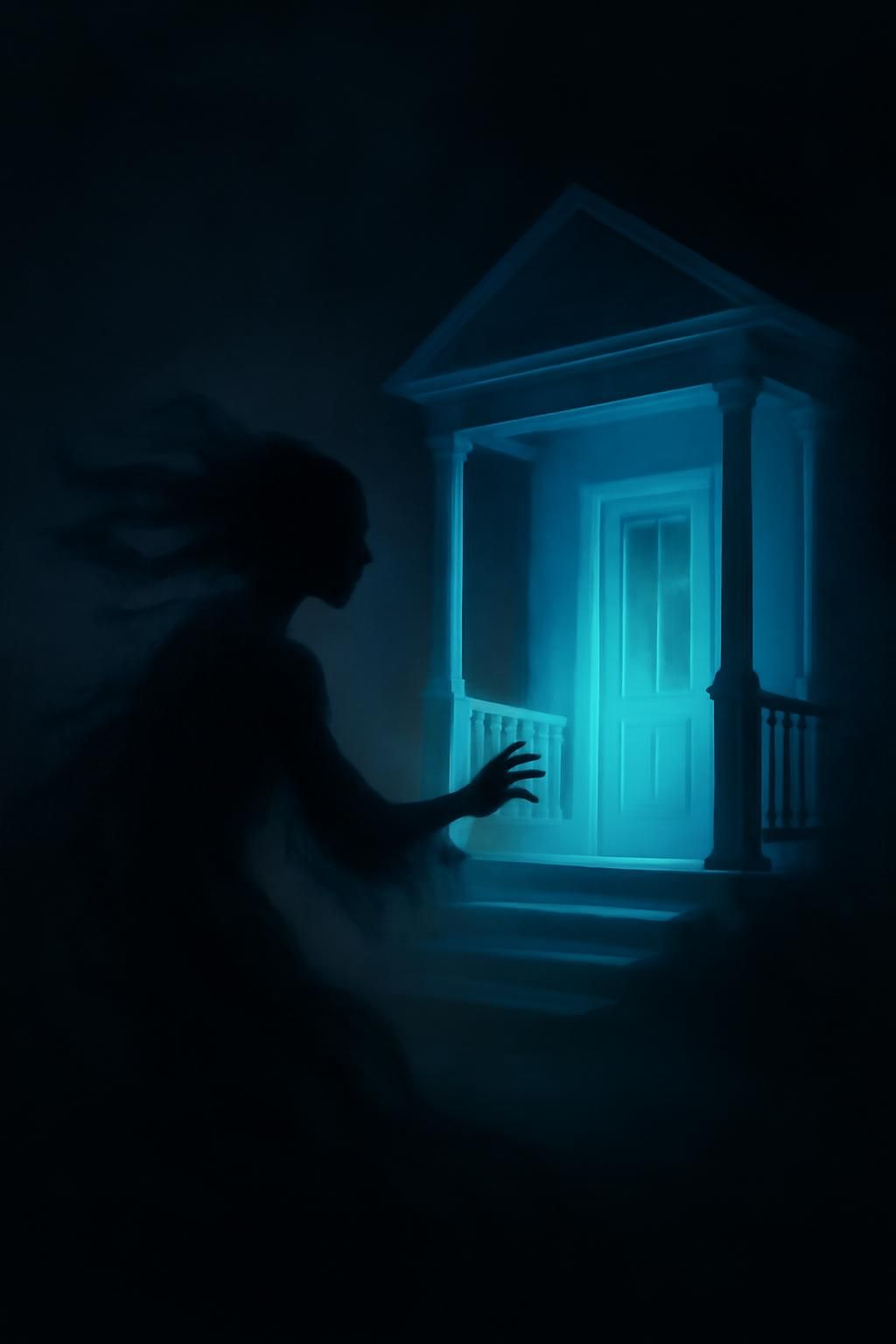
In parts of the American South, a pale blue porch ceiling—often called haint blue—was tied to the belief that spirits could linger near a home. A “haint” is a restless or troublesome ghost in Southern folklore. One explanation held that a ceiling painted like the daytime sky could fool a hovering spirit into thinking it was outdoors, keeping it from settling over the porch or entering the house.
The idea turns an ordinary architectural detail into a protective boundary. A porch sits between public space and the home, and its ceiling is directly overhead; making that surface resemble open sky gave the threshold a symbolic extension of the outdoors.
A Belief With More Than One Explanation
The sky-and-daylight explanation is one version of the tradition, not a single rule followed everywhere. Haint blue is also associated with the belief that spirits could not cross water, with the color standing in for a watery barrier. The meanings could overlap, and families might preserve the color simply because it was familiar or passed down.
Either way, the paint made protection visible in a place people used every day: overhead, at the point where visitors—and, in folklore, unseen forces—approached the home.