Why Some Southern Porches Were Painted “Haint Blue”
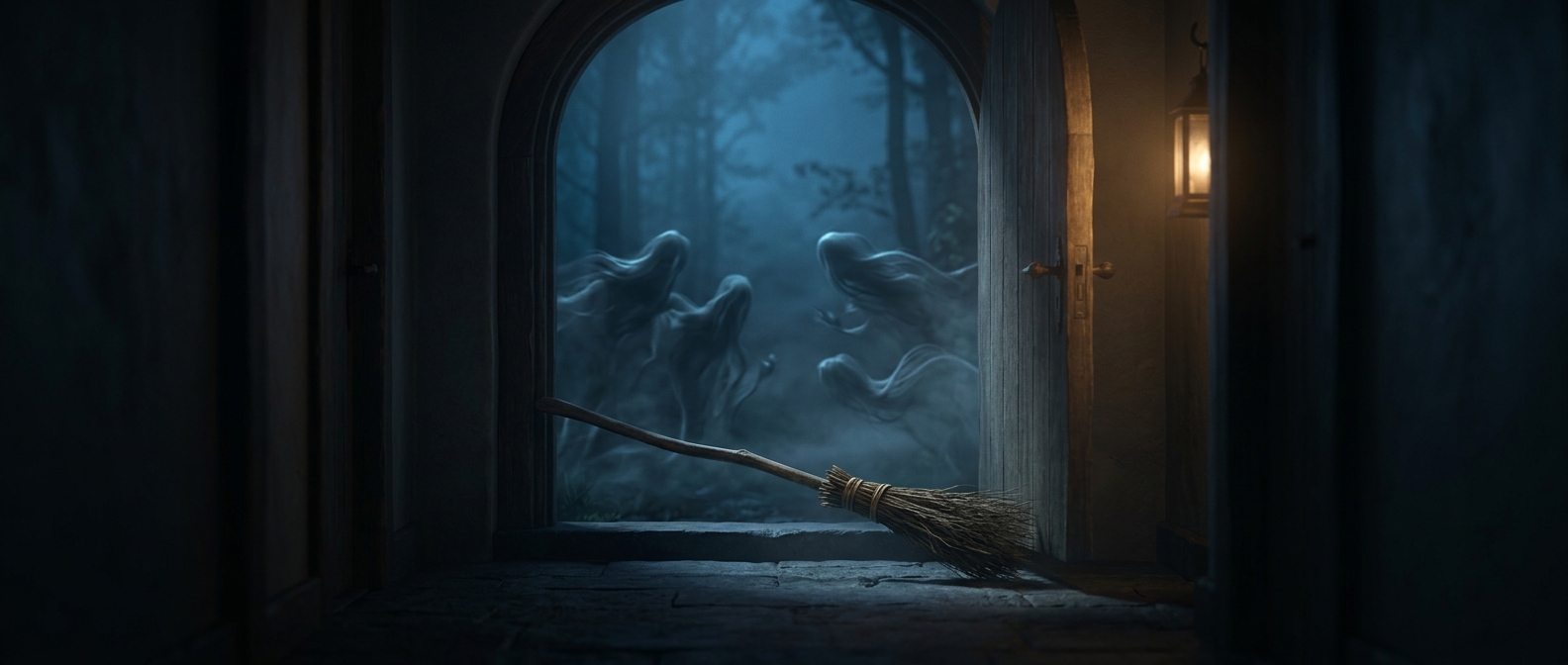
The pale blue on certain porches in the American South is often called haint blue. “Haint” is a regional word for a ghost or restless spirit. In the tradition described in parts of the South, the paint was meant to confuse or deter such beings—not simply to coordinate with shutters or trim.
The water-like color as a barrier
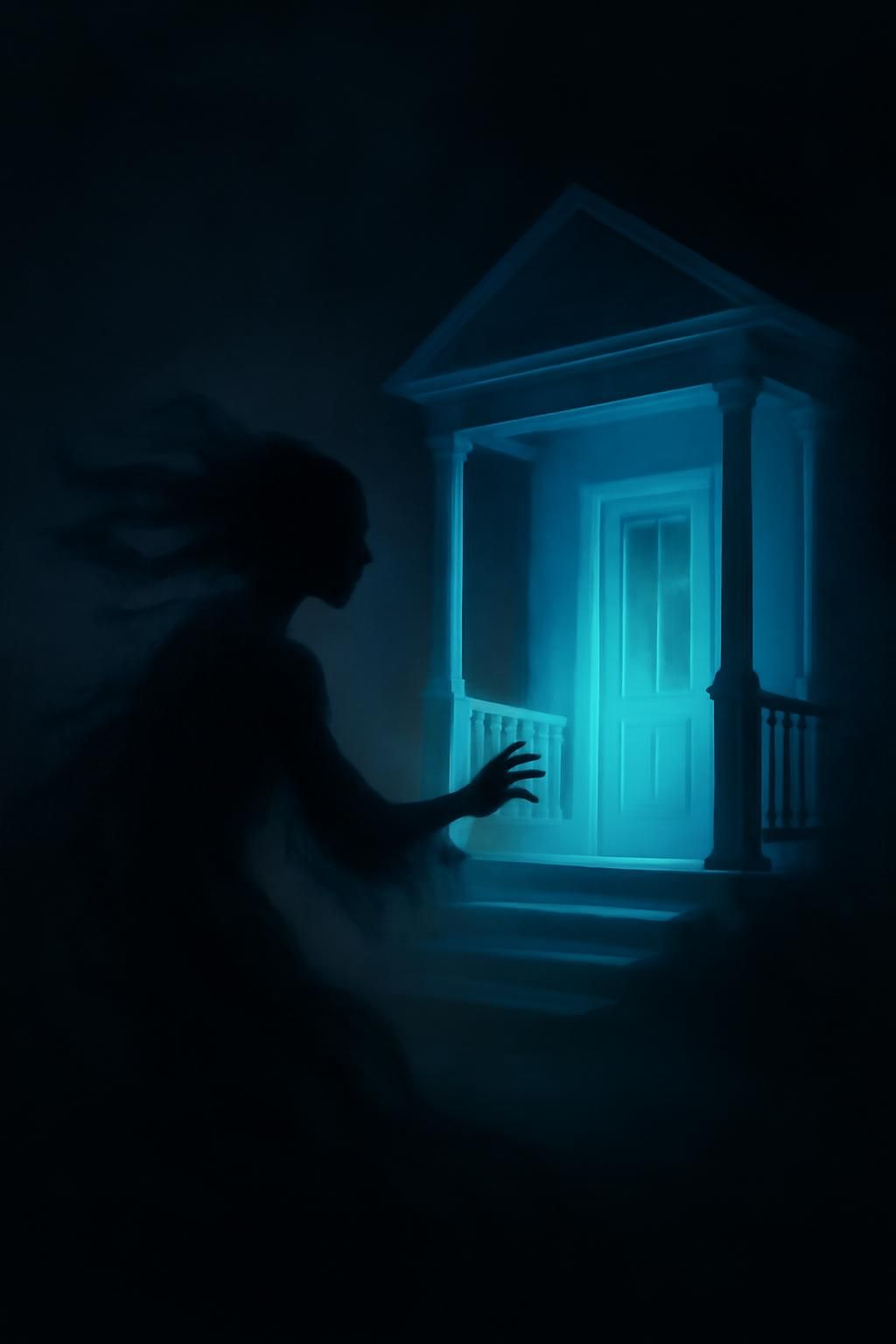
The belief turns on a simple piece of folklore: spirits could not cross running water. A blue-green shade was thought to resemble water, so a spirit approaching the porch might mistake the painted surface for a stream and turn away. The porch ceiling was a particularly visible place for the color; painting doors, window frames, or other exterior woodwork blue could extend the same protective idea around a home.
This was a symbolic safeguard, not a claim that paint physically created a body of water. Its force came from a shared story about what a spirit could and could not do, and from the household’s act of marking the threshold accordingly.
From protective custom to familiar detail
Haint-blue paint is associated especially with Gullah Geechee communities, whose culture developed among descendants of enslaved Africans in the coastal Lowcountry. The practice sits within a broader tradition of using color and household objects to protect a home. Over time, the distinctive shade also became a recognizable regional design choice, adopted by people who may value its appearance even when they do not hold the original spiritual belief.
That double meaning is what makes the color memorable: a visitor may see a calm blue porch ceiling, while the tradition behind it reads the painted threshold as a line a restless spirit should not cross.