A face could become a political problem
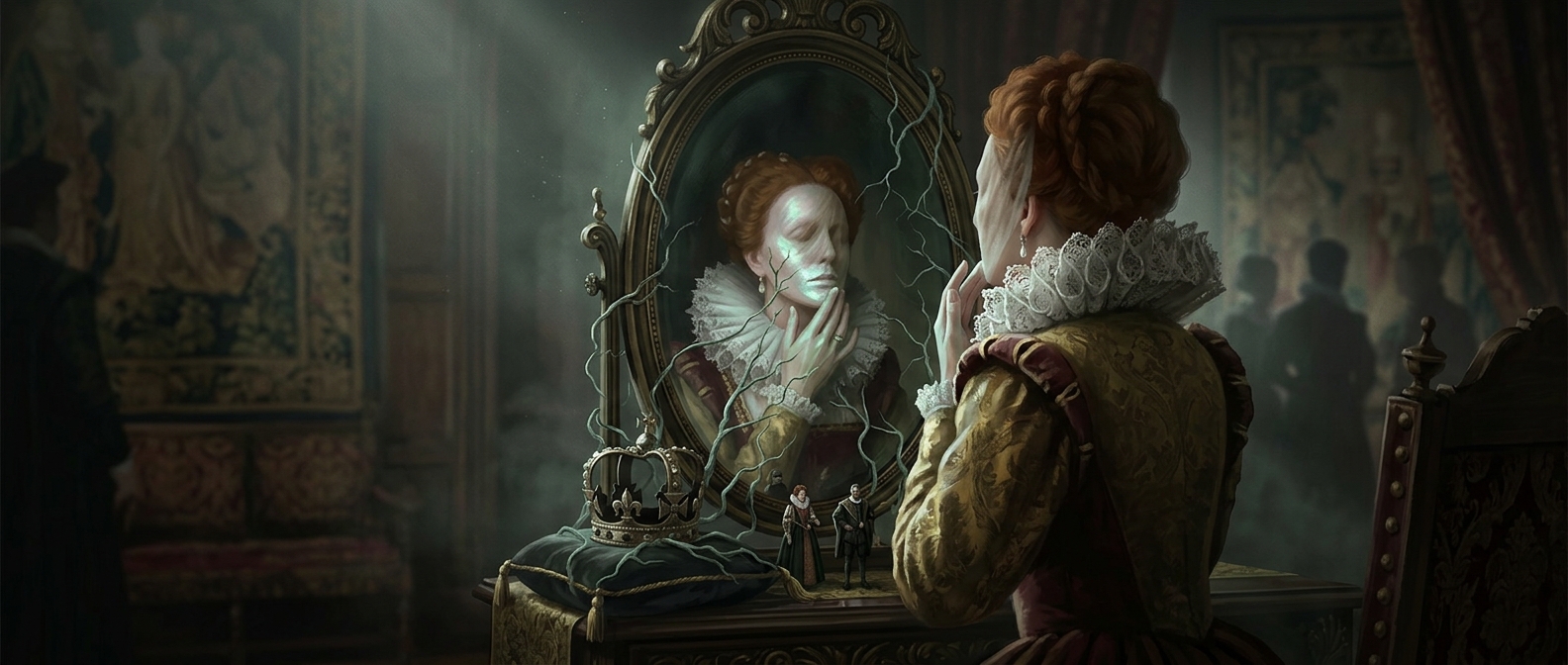
Smallpox often left survivors with deep, pitted scars. For a ruler, those marks were not merely private reminders of illness: portraits helped present authority to people who might never see the monarch in person. Artists could soften scars through flattering composition, lighting, or idealized features, turning an individual’s recovery into a question of public image. The disease therefore affected not only who lived, but how power was shown.
That does not mean every altered portrait can be traced to smallpox. The broader point is that a visible, lasting consequence of disease could shape the conventions used to depict leaders—and the gap between a ruler’s actual appearance and the image circulated in public.
Prevention became a matter of state
Before vaccination, some communities used variolation: deliberately exposing a person to material from smallpox sores in hopes of causing a milder illness and later protection. It could still cause severe disease and spread infection. Vaccination, developed later using protection associated with cowpox, offered a safer way to train the body’s defenses against smallpox.
The stakes extended beyond individual patients. A population with fewer vulnerable people was less likely to suffer outbreaks that emptied households, disrupted work, or weakened an army. Governments and military leaders consequently had reasons to promote prevention: protecting people also helped preserve the labor force and keep troops available. Once vaccination became a tool of public policy, decisions about access, persuasion, and compulsion could become politically charged. A measure presented as collective protection could also be seen as an intrusion into personal choice.
The afterlife of an outbreak
Smallpox’s effects lasted longer than the fever. Survivors carried scars; families and communities carried memories of loss; institutions carried policies shaped by the effort to prevent another outbreak. The disease could thus leave traces both in the faces preserved by art and in the rules states made about protecting their people.